

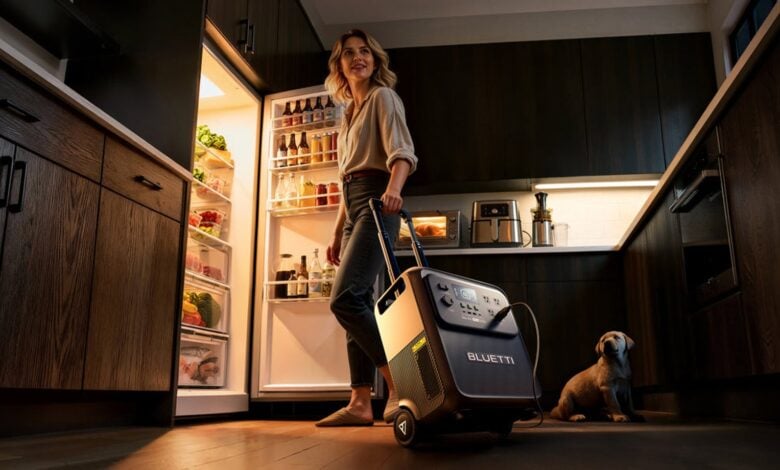
A first-time guide to BLUETTI’s clean-energy story, product families, and practical starting points for home, RV, camping, and backup power.
Portable power is no longer limited to a small emergency battery for a phone. The category now spans compact stations for weekend trips, larger units for appliances, solar generator kits, and modular systems designed to support a home when the grid is unavailable. For a first-time reader, the difficult part is often understanding where one brand fits within that wider picture.
BLUETTI presents itself as a clean-energy company built around portable power stations and solar solutions. Its Canadian storefront groups the range by product type and scenario, so the story is less about one gadget and more about a connected set of ways to store, move, and use electricity.
This article contains affiliate links. If you buy through them, we may earn a commission at no extra cost to you.
At a glance
- BLUETTI covers portable power stations, solar generators, panels, home backup, RV systems, and accessories.
- The Elite 100 mini is listed at C$549 with 1,004.8Wh capacity and 700W output.
- The Elite 200 V2 is listed at C$1,099 with 2,073.6Wh capacity and 2,600W output.
- The Apex 300 is listed at C$1,799 with 2,764.8Wh capacity, 3,840W output, and 120V/240V support.
- The useful starting point is the load you need to run, the runtime you expect, and whether solar or modular expansion matters.
The story behind the range
BLUETTI says its clean-energy work serves off-grid living, outdoor use, backup power, and everyday energy needs. On the Canadian homepage, the company reports a presence in 120 countries and regions, alongside figures for global users, service stations, staff, and patents. Those are brand-reported scale markers, not independent performance tests, but they help explain the company’s positioning: it wants to be seen as an energy ecosystem rather than a single portable battery maker.
That ecosystem is organised around a few practical questions. Do you need power for a tent or campsite, an RV, a fridge during an outage, or a larger group of household essentials? The site separates portable power stations from solar generators, then adds battery packs, solar panels, chargers, and scenario pages. We think that structure is useful because it puts the use case before the model number.
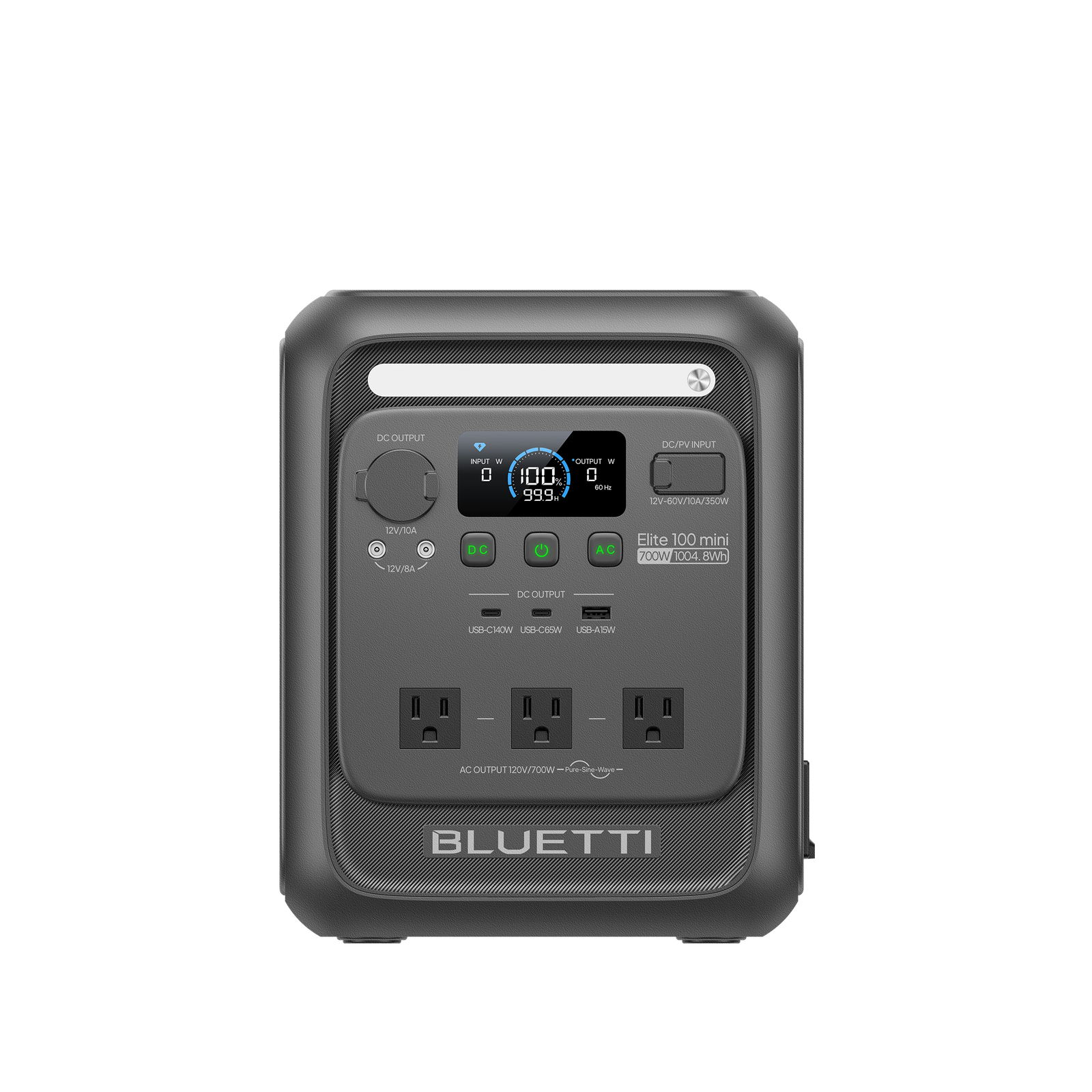
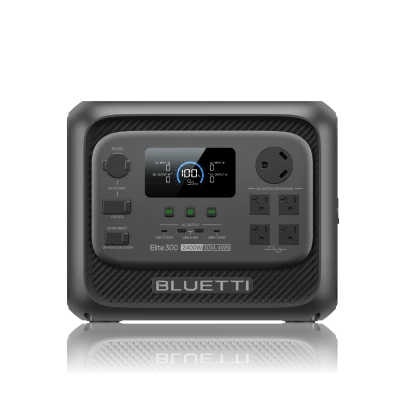
For readers starting small, the BLUETTI Elite 100 mini is the clearest example. The brand lists 1,004.8Wh capacity, 700W output, nine ports, and a C$549 price on its Canadian storefront. That combination points toward phones, lights, laptops, small appliances, and short outdoor trips rather than whole-home backup. The current Elite 100 mini listing is the place to check live configuration and availability.
- Portable power stations: battery-based units with AC, USB, and other outputs.
- Solar generators: packages that pair a station with solar input or panels.
- Home backup: higher-capacity systems for selected essential loads.
- RV and outdoor power: mobile setups for travel, camping, and off-grid use.
- Ecosystem accessories: chargers, expansion batteries, and solar panels.
Three product families that explain BLUETTI
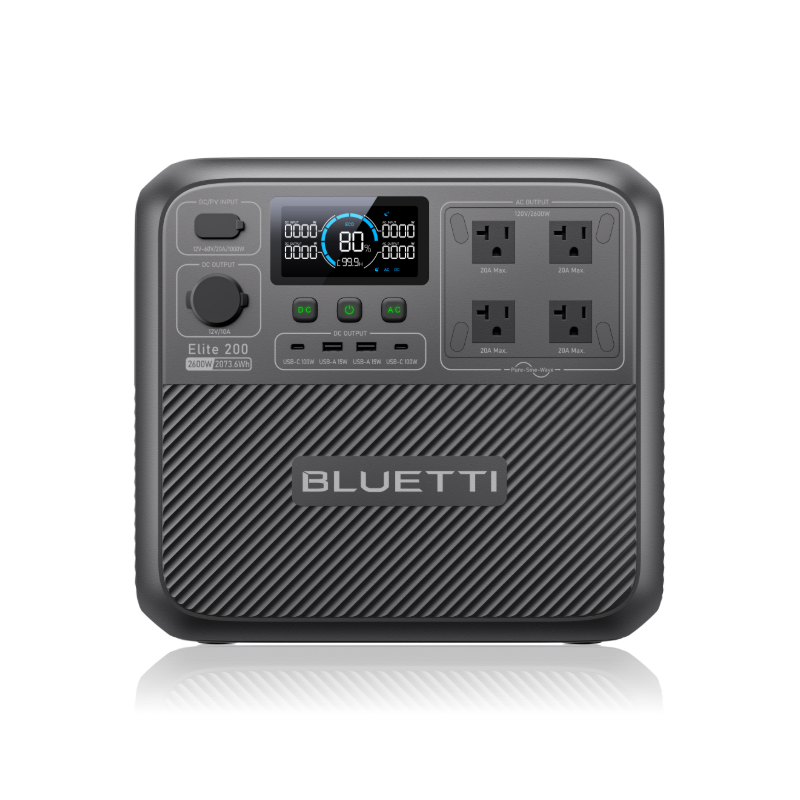
The Elite series is the most approachable place to understand the range. It runs from compact models to larger stations with more output and storage. The Canadian site lists the BLUETTI Elite 100 V2 at C$649, with 1,024Wh capacity and 1,800W output. BLUETTI also says it can deliver a 3,600W surge and more than 4,000 cycles. Those are useful headline specifications, although real runtime depends on the appliance, power draw, conditions, and conversion losses. Readers can review the Elite 100 V2 details before deciding whether its extra output is worthwhile.
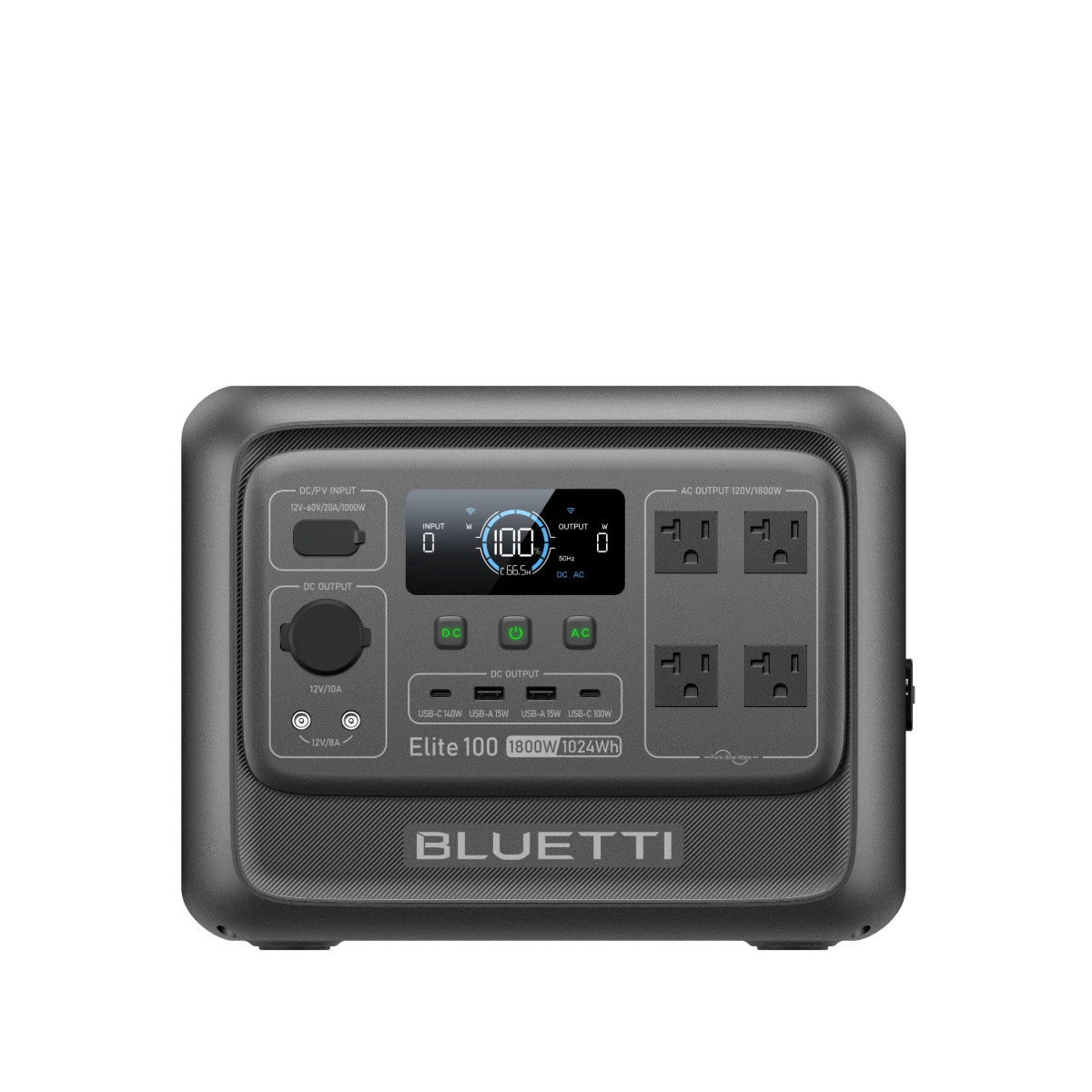
For a larger step up, the BLUETTI Elite 200 V2 is listed at C$1,099 with 2,073.6Wh and 2,600W output. BLUETTI describes it as suitable for versatile applications, which is a more useful framing than assuming it will power everything in a house. It may make sense for a longer camping setup, an RV, or a household that wants to prioritise several essential devices. The Canadian Elite 200 V2 page should be checked for the current price and included accessories.
The Apex series shifts the conversation toward higher-output and modular home energy. The BLUETTI Apex 300 is listed at C$1,799, with 2,764.8Wh capacity, 3,840W output, and 120V/240V support. The brand describes it as upgrade-ready and suitable for homes, RVs, and off-grid life. That makes the Apex 300 product page relevant to readers thinking beyond a short outage or weekend trip.
- For a compact start: consider the Elite 100 mini when portability and a lower listed price matter most.
- For extra output: the Elite 100 V2 offers 1,800W output in a still-manageable format.
- For more stored energy: the Elite 200 V2 is listed with 2,073.6Wh capacity.
- For modular ambition: the Apex 300 introduces higher output and 120V/240V support.
How solar and backup fit the picture
BLUETTI’s range makes more sense when a station is treated as a storage hub rather than a magic generator. Solar panels can replenish the battery when conditions allow, while wall or vehicle charging can be more predictable for preparation. The brand also lists solar generator kits and road-trip products, including alternator chargers, so the same basic idea can be adapted to a home, an RV, or a campsite.
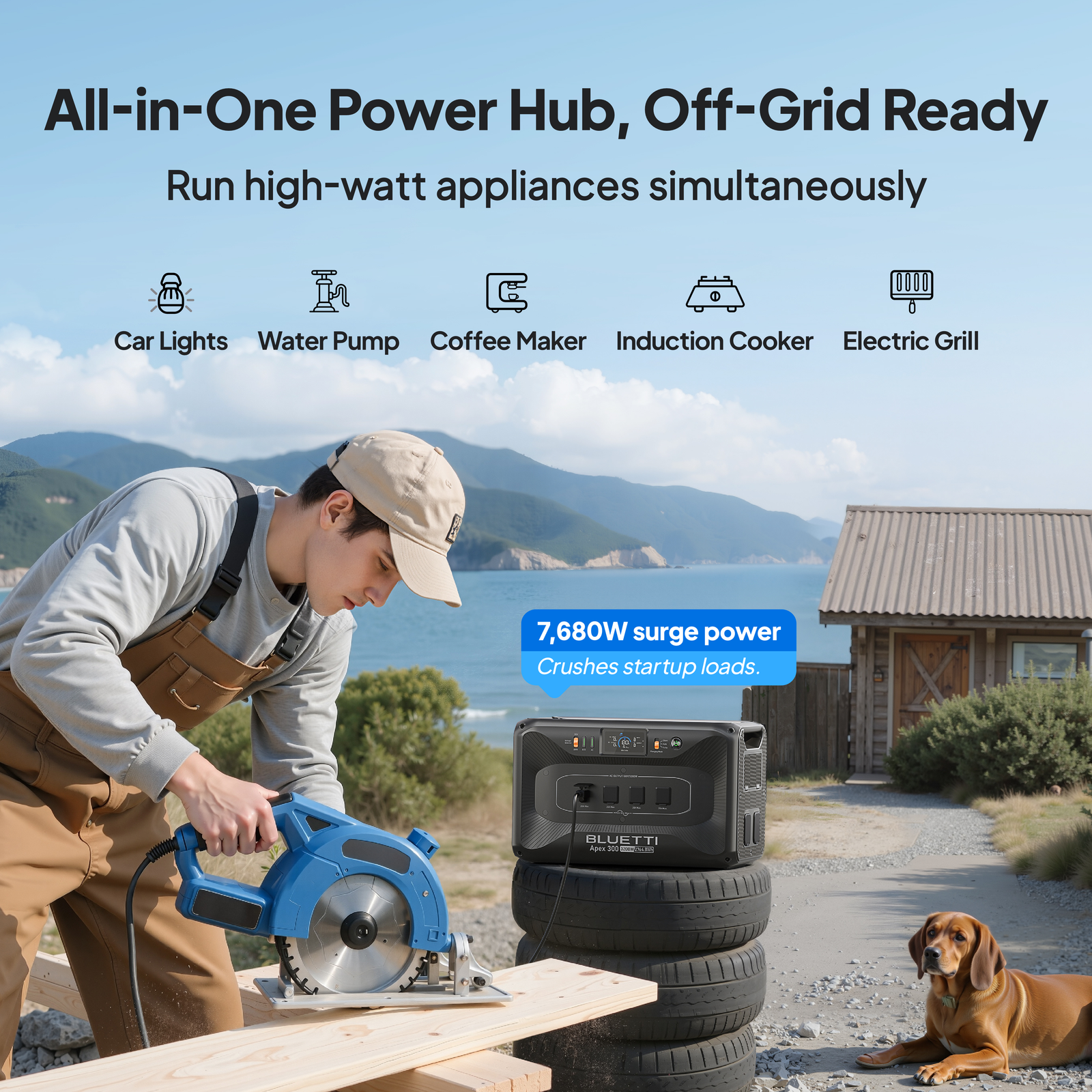
For home use, start by writing down the appliances that genuinely matter during an outage. A fridge, router, lights, medical equipment, or a small heater each create a different demand. Capacity describes stored energy, while output describes what the station can deliver at one time. The Apex 300 specifications help illustrate why both figures matter. A larger number in one column does not automatically solve every load question.
There is also a practical distinction between a product page and a complete setup. A station may need a solar panel, cable, expansion battery, transfer equipment, or careful placement. BLUETTI’s pages for portable stations and home backup products should therefore be read alongside the included-items list and support information.
What first-time readers should check
Prices on the Canadian storefront can change, and promotions or bundles can alter the value of a model. At the time of research, the listed prices ranged from C$549 for the Elite 100 mini to C$1,799 for the Apex 300. Some pages also show crossed-out comparison prices, so we would treat the live product page as the source of truth before making a decision.
- Estimate the wattage of the devices you want to run together.
- Estimate how many hours you need them to operate.
- Decide whether wall, vehicle, solar, or several charging methods matter.
- Check weight, handles, wheels, ports, and storage space before choosing capacity.
- Read the warranty, support, included accessories, and delivery terms for Canada.
We would also avoid choosing by capacity alone. A compact station can be more useful than a larger one if it is easier to carry, while a home-focused unit can justify its size when the goal is longer runtime or higher output. The Elite 100 mini price, Elite 100 V2 listing, and Elite 200 V2 options give first-time shoppers a useful progression before they consider the Apex 300.
Our verdict
BLUETTI is worth understanding as a broad clean-energy brand with a product ladder, not simply as a maker of emergency batteries. The range covers small personal power, outdoor and RV use, solar-supported charging, and larger modular backup. That gives first-time readers a sensible way to start with their scenario and work toward a model.
The limitation is that a brand overview cannot calculate your exact runtime or confirm whether a station suits every appliance. Prices, bundles, availability, and specifications can change, and the best choice still depends on your loads and charging plan. For a first step, however, BLUETTI’s Canadian range is clearly organised enough to compare compact, mid-size, and higher-output options.