

A flower bulb catalogue can look like a wall of variety names. DutchGrown™ The more useful question is what kind of business sits behind it: a seasonal importer, a specialist grower, or a family operation with a particular idea of quality? DutchGrown™ presents itself as the latter, with a history rooted in Dutch bulb growing and a UK store spanning both bulbs and garden plants.
We reviewed the brand’s UK store pages and product listings for this introduction. They describe a family story that reaches back to the nineteenth century, a broad seasonal range and an emphasis on bulb size. That context helps explain who the catalogue may suit, and what a new visitor should check before choosing.
When you shop through the links in this article, the retailer may pay us a commission. Your price stays the same.
Key facts
- DutchGrown™ traces its family flower-bulb business to 1882.
- The UK store covers autumn-planted bulbs and spring-planted plants.
- Named examples include Astrantia Pink Button, Dahlia Sweet Suzanne and Tulip Pink Impression.
- The brand says it ships top-size bulbs; its sizing page explains how that standard varies by plant group.
A family trade
The story on DutchGrown’s about page begins with a Dutch family farm and a move into exporting bulbs. The company says the business started in 1882, when its great-grandfather began selling bulbs to growers beyond the Netherlands. That origin is relevant because the brand’s current offer still centres on bulbs and horticultural knowledge, rather than a general garden department.
The current faces of the business are brothers Ben and Pete. DutchGrown describes Ben as the bulb specialist, with relationships among growers, while Pete developed the online side. The division gives the brand a practical story to tell: sourcing and plant knowledge alongside the infrastructure needed to sell across borders. It is company-provided background, but it does make the shop’s specialist focus easier to understand.
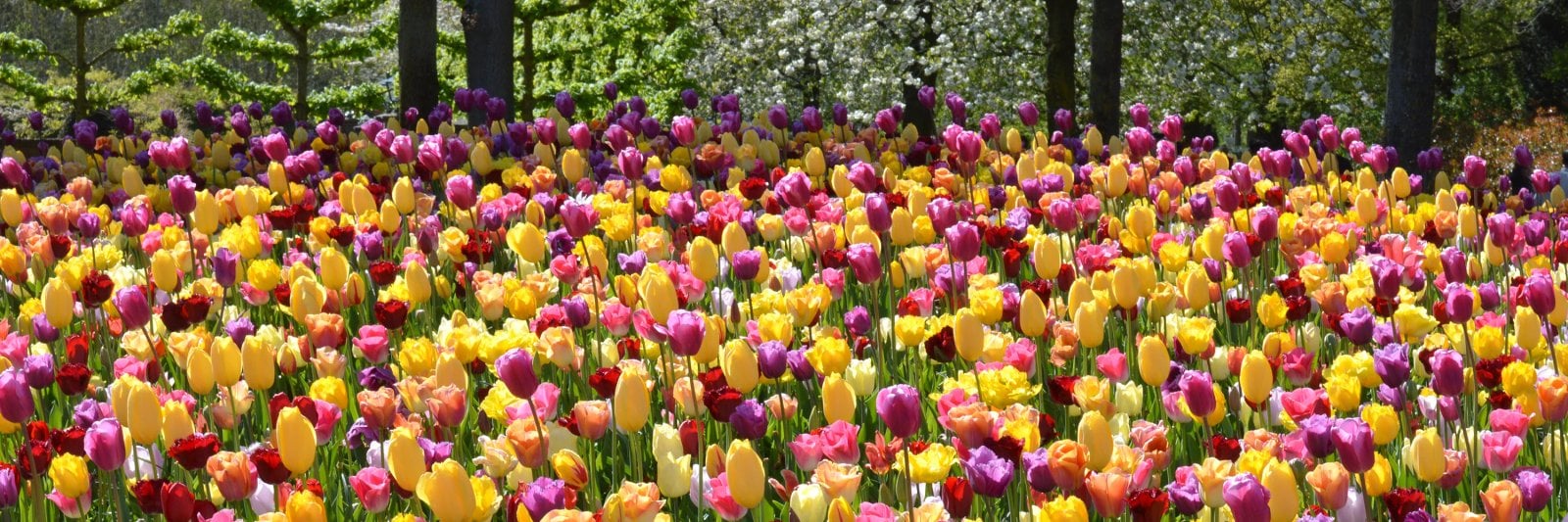
These displays offer a glimpse of the flower-park setting behind the company’s public story.
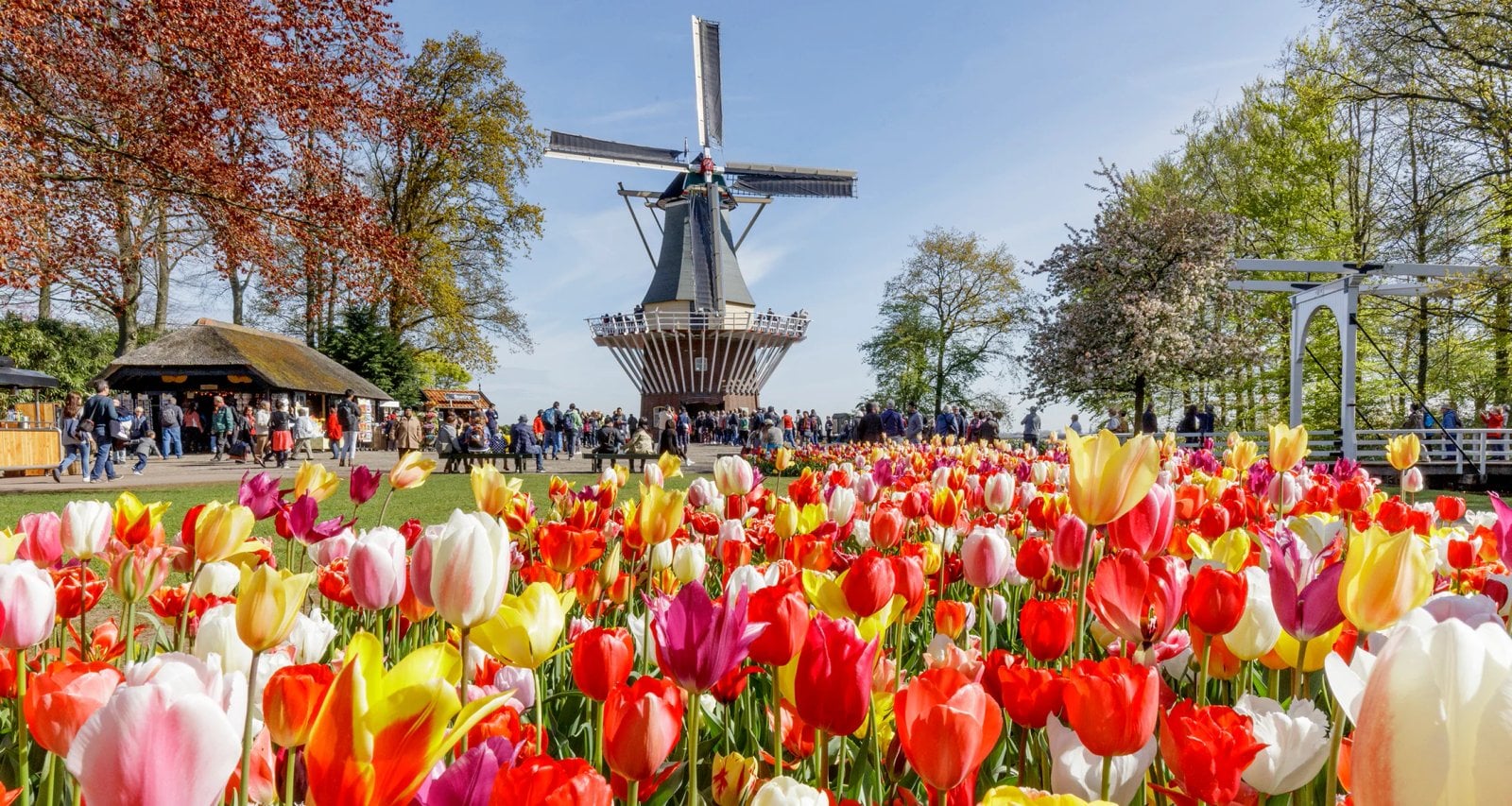
The garden photographs reflect the setting DutchGrown associates with its horticultural story.
That heritage is not a guarantee that every variety will suit every garden. It does give first-time readers a useful frame: this is a catalogue built around seasonal planting, with the brand positioning itself as a knowledgeable supplier. Readers can browse the DutchGrown™ flower range with that distinction in mind, then judge individual listings by their own site, timing and planting conditions.
Seasonal breadth
The UK store is arranged around the garden calendar. Autumn-planted bulbs include tulips, daffodils, alliums, crocus and hyacinths; a separate spring-planted area brings together perennials and other plants. This structure helps a visitor think in terms of planting window and garden role, rather than browsing an undifferentiated list of names.
There are also collections for shoppers who want a coordinated effect. Individual varieties make sense when a gardener already has a colour or form in mind; a mix can be more convenient when the goal is a broader display. The site carries both, so a newcomer can begin with a clear plant choice or explore a grouped selection through the seasonal collections.
- Spring colour: Darwin hybrid form Tulip Pink Impression is described as a Darwin hybrid with rose-toned petals, sturdy stems and use in beds, borders or as a cut flower.
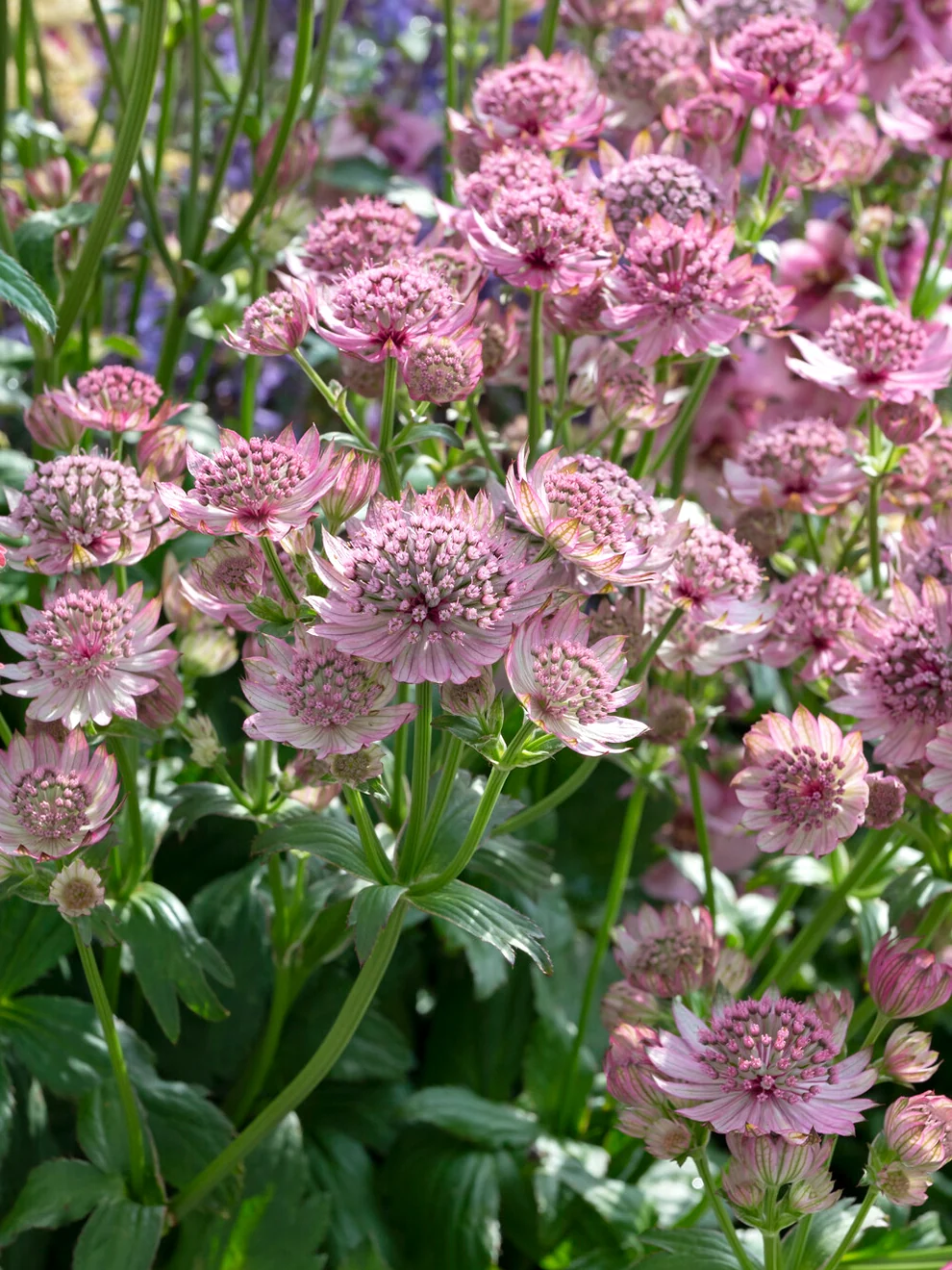
- Summer border: pincushion-like flowers Astrantia Pink Button is a pale pink perennial with pincushion-like flower centres, suited to mixed planting and cutting.
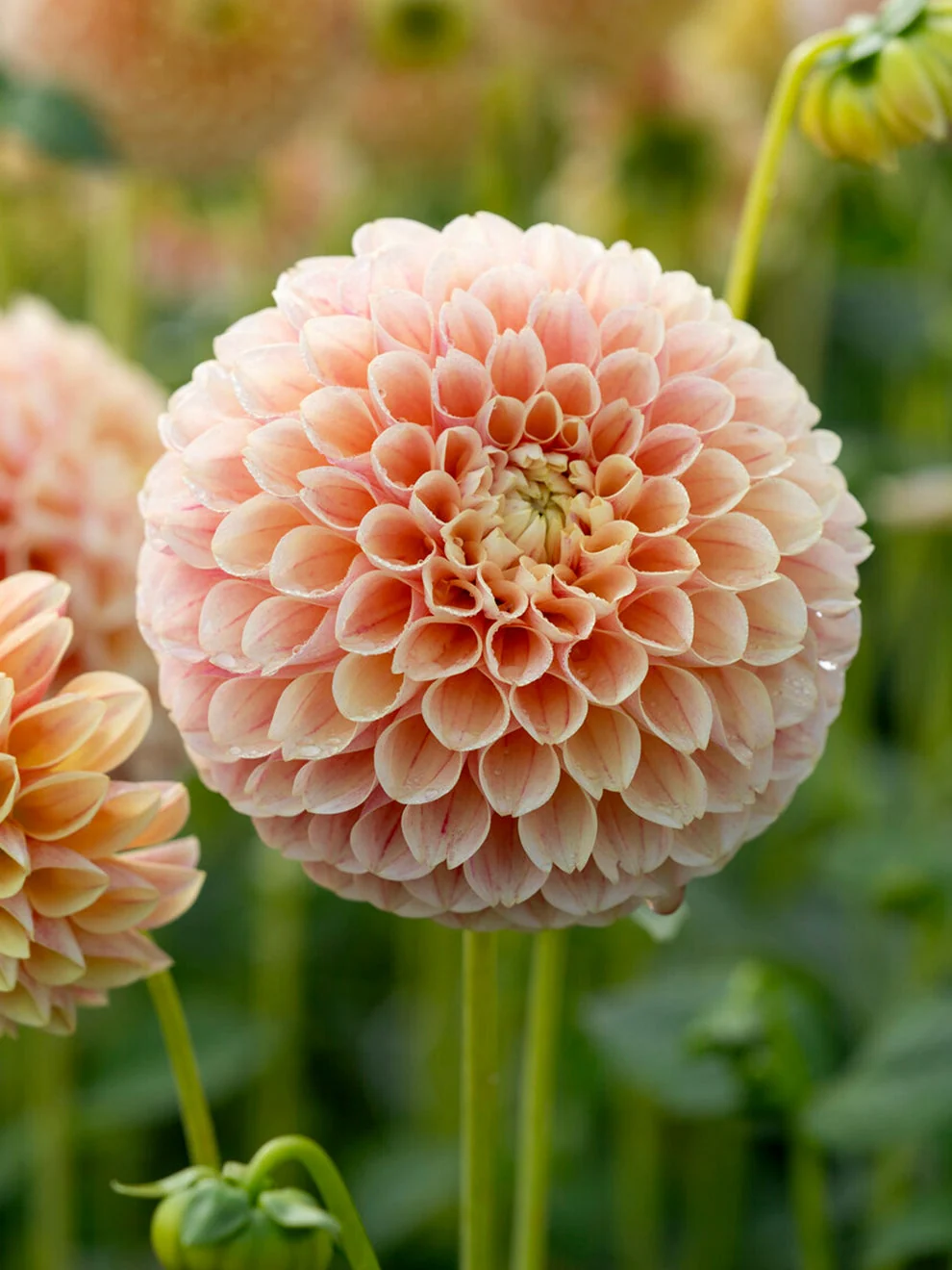
- Late-season colour: ball-shaped blooms Dahlia Sweet Suzanne is listed as a ball dahlia with peach, apricot and blush tones, with stems suited to garden display and vases.
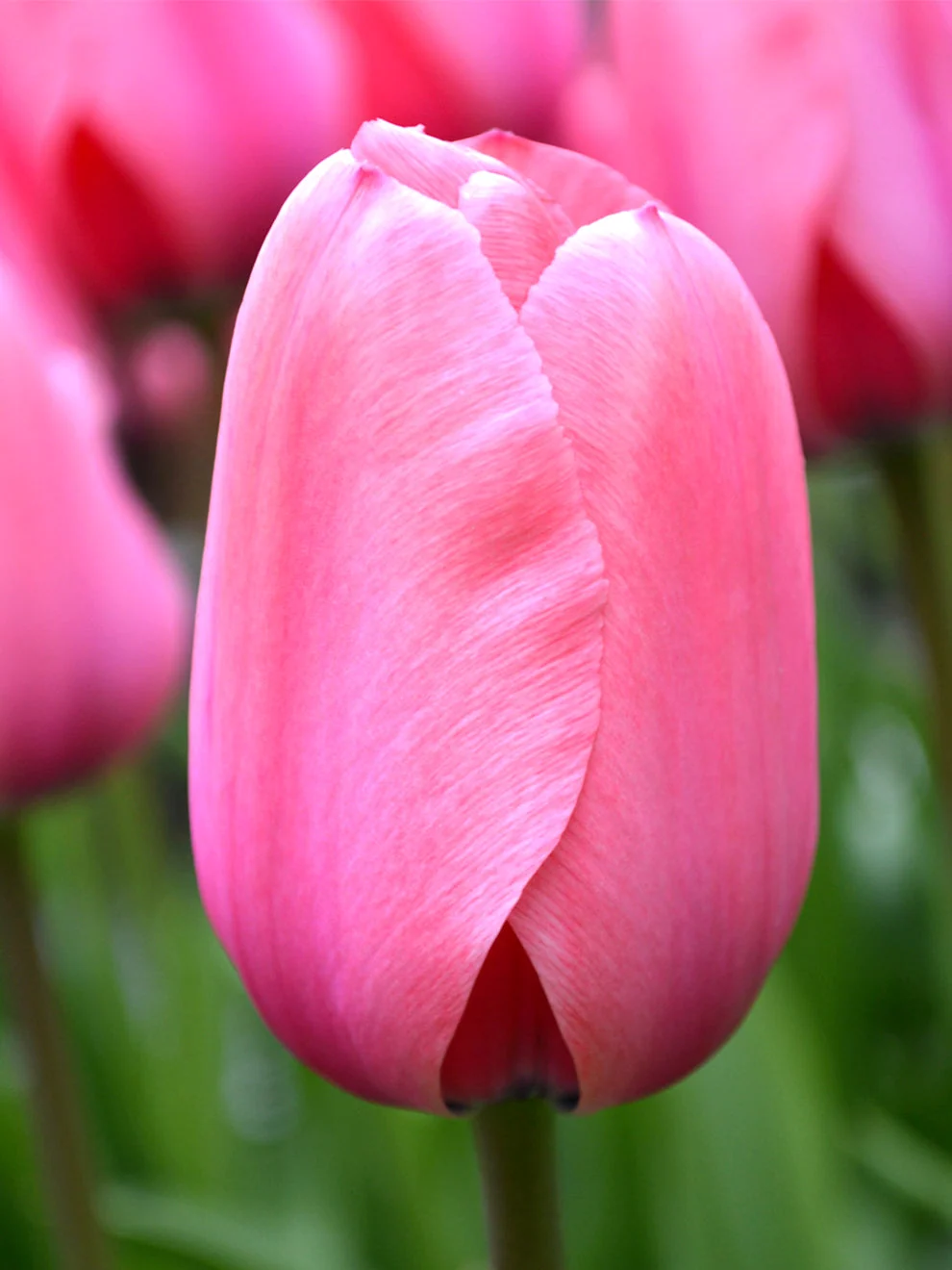
These examples also show that the range extends beyond the familiar spring bulb. Tulip Pink Impression anchors the offer in the classic autumn planting season, while Astrantia Pink Button and Dahlia Sweet Suzanne illustrate the spring-planted side. Their distinct growing seasons matter more than appearance alone: readers should match the listing’s planting guidance to the time and conditions they can provide.
What size signals
DutchGrown makes bulb sizing a visible part of its quality story. Its quality page says it ships top-size bulbs and explains that bulbs are measured around their widest point, with the stated top size differing by group. For example, tulips and daffodils do not share one universal sizing standard. That detail gives shoppers a concrete quality marker to assess rather than a general claim of premium quality.
Size is one buying clue, but it cannot settle every question. Variety, soil, light, drainage, planting depth and aftercare all affect results, and the store’s own listings provide the more relevant specifics for each plant. Read the named variety page alongside the general quality explanation: Tulip Pink Impression has its own planting and growth notes, while Astrantia Pink Button is a perennial with different site needs.
For the same reason, the brand’s size language should be read as its stated sourcing standard, not a promise of identical performance in every garden. The advantage for a shopper is transparency about the stated standard. The limitation is that a larger bulb alone cannot compensate for the wrong planting conditions or an unsuitable variety.
- Check whether the listing is a bulb, tuber or established perennial before planning delivery and planting.
- Use the plant page for height, flowering season and preferred light rather than relying on a category label.
- Compare the stated bulb sizing within its own plant group; measurements are not directly interchangeable across varieties.
- Review the UK store’s shipping schedule and the product page before placing a seasonal order.
Beyond the bulbs
The range’s character becomes clearer when a shopper looks beyond tulips and daffodils. Dahlia Sweet Suzanne has a rounded ball form and softly shifting warm colours, while Astrantia Pink Button is a finer-textured perennial with a lighter presence in a mixed border. The listings describe the former as suitable for cutting and the latter as attractive to pollinators and useful for cutting or drying.
For a first visit, these are useful catalogue examples, not recommendations for every garden. A reader after long-lived border structure may find a perennial listing more relevant; someone planning a summer display may prefer dahlias; a spring-focused scheme may start with autumn-planted bulbs. DutchGrown’s categories make those routes visible, and the specific pages give each one more horticultural context.
Personal service is part of the brand’s account too. DutchGrown says it takes a personal approach to customer questions and notes that one of the brothers may respond. That is a stated service model rather than a guarantee about response times, so readers with a time-sensitive planting question should use the store’s contact and delivery information before ordering.
Where we land
DutchGrown™ is a family-rooted flower specialist with a broad, seasonal UK catalogue and a clear emphasis on bulb sizing. Its story gives the range context, while listings such as Tulip Pink Impression, Astrantia Pink Button and Dahlia Sweet Suzanne show how widely the offer moves across planting seasons and garden roles.
The honest limitation is that heritage and bulb size have limits: they cannot tell a reader whether a plant fits their own soil, light or schedule. Check those details at product level, and use the store’s current UK delivery information before settling on a planting plan.