
A spring display can be over almost as soon as it gets going. DutchGrown’s Eight Weeks of Daffodils is designed to address that familiar garden-planning problem with one curated collection: eight daffodil varieties selected to extend the flowering season. The idea is straightforward, but success depends on the space, planting plan and the mix’s timing working for you.
We reviewed the UK product information rather than growing the bulbs. The listing describes top-size bulbs and says the varieties are loved by pollinators and can naturalise, meaning the bulbs multiply over time. Those details make this a more purposeful choice than a single-colour bulk planting, although the product page is the place to check the exact varieties, quantities and dispatch details before ordering.
When you shop through the links in this article, the retailer may pay us a commission. Your price stays the same.
Key facts
- Eight selected varieties are intended to spread daffodil flowering across the season.
- The listing describes top-size bulbs and marks the mix as loved by pollinators.
- Several pack sizes are offered; check the UK product page for current options and price.
- Autumn planting is the relevant season, with dispatch timing shown on the listing.
- Best fit: gardeners who want a succession of daffodils without choosing eight varieties individually.
A season in one mix
The collection’s defining feature is its curated sequence. Rather than relying on a single cultivar to provide all the spring interest, the listing says the set contains eight new daffodil varieties selected for a longer display. This can simplify planning for a border, a repeat planting along a path, or a group of containers where a succession of flowers is more useful than one concentrated flush. See the Eight Weeks of Daffodils listing for the current selection details.
The title should be read as the collection’s aim, not a guarantee that every garden will see flowers continuously for exactly eight weeks. Flowering varies with local conditions, planting depth, aspect and the weather. The product page does not give a cultivar-by-cultivar calendar in the summary information we reviewed, so readers who need precise timing should check the detailed listing or ask the retailer before choosing.
What the listing offers
DutchGrown presents the collection as a ready-made combination and offers it in different bulb quantities. This is useful if you already know the area you want to plant: a small group can mark a border edge, while a larger quantity can repeat the effect through a lawn or under deciduous trees. Confirm the chosen pack’s contents and coverage on the live page, since garden spacing and bulb size change how far a quantity will go.
- Eight varieties: a preselected mix for gardeners who prefer one coordinated purchase.
- Top-size bulbs: a product-page specification, not a promise of identical results in every site.
- Pollinator interest: the shop labels the daffodils as loved by bees and other pollinators.
- Naturalising: the listing says the bulbs multiply each year, supporting a planting that can return.
- Pack choice: select quantity after measuring the bed and allowing room for the bulbs to establish.
How it fits a garden
A mixed daffodil sequence is easiest to appreciate where the planting can remain in place after flowering. That might be a perennial border, a tree area or a dedicated spring strip. Once the flowers fade, the foliage needs time to die back naturally so the bulbs can replenish. The mix is therefore less suitable for a narrow bed that must look freshly trimmed immediately after bloom, unless other plants can soften the fading leaves.
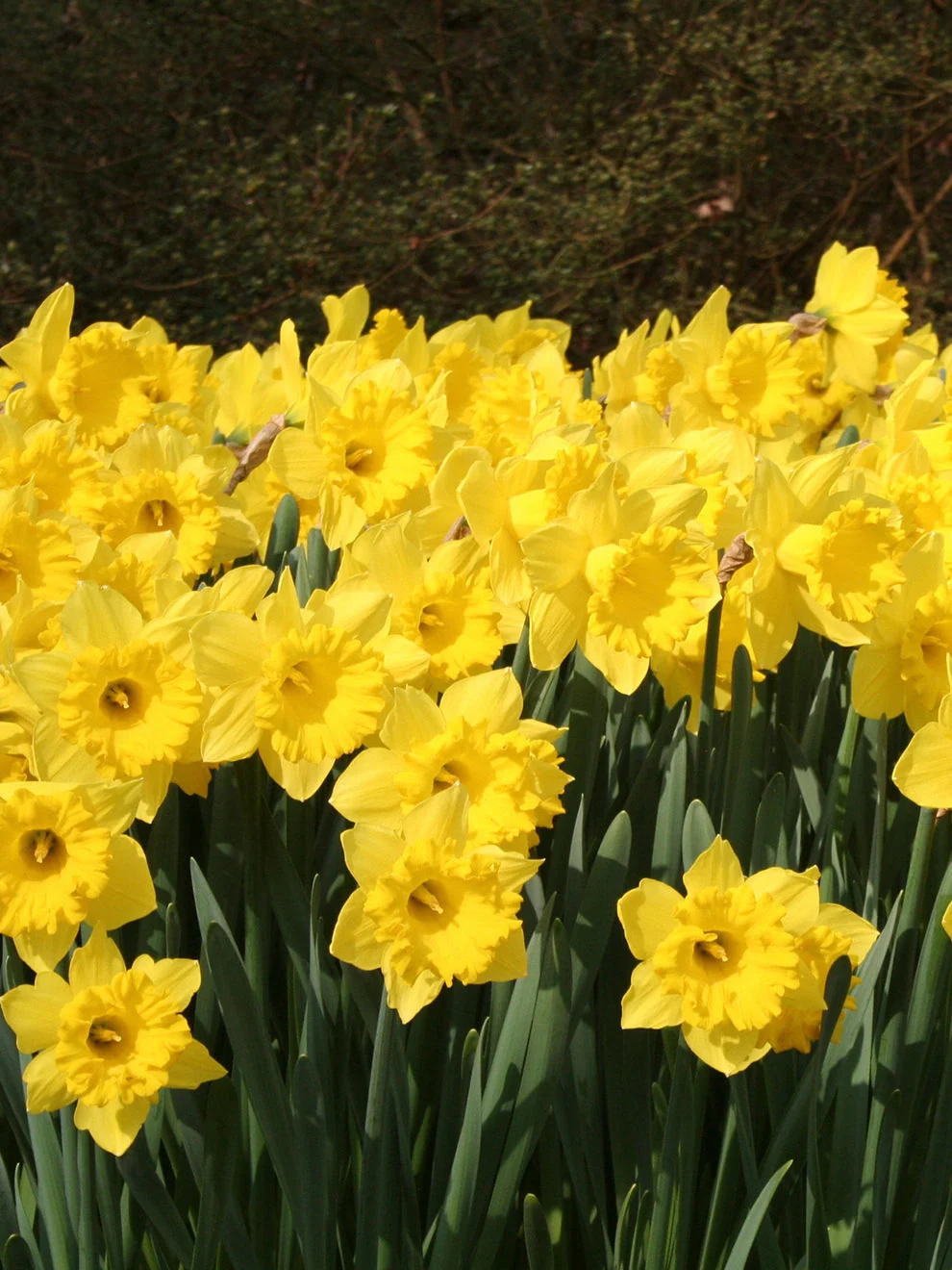
The shop’s individual varieties offer useful reference points for the collection’s range. Daffodil Dutch Master represents the classic yellow trumpet look and is presented as a landscaping choice; Daffodil Erlicheer has clustered white flowers. A compact option such as Mini Daffodil Jetfire shows how a smaller daffodil can suit the front of a border or a container. These are separate products, not confirmed components of the eight-variety mix.
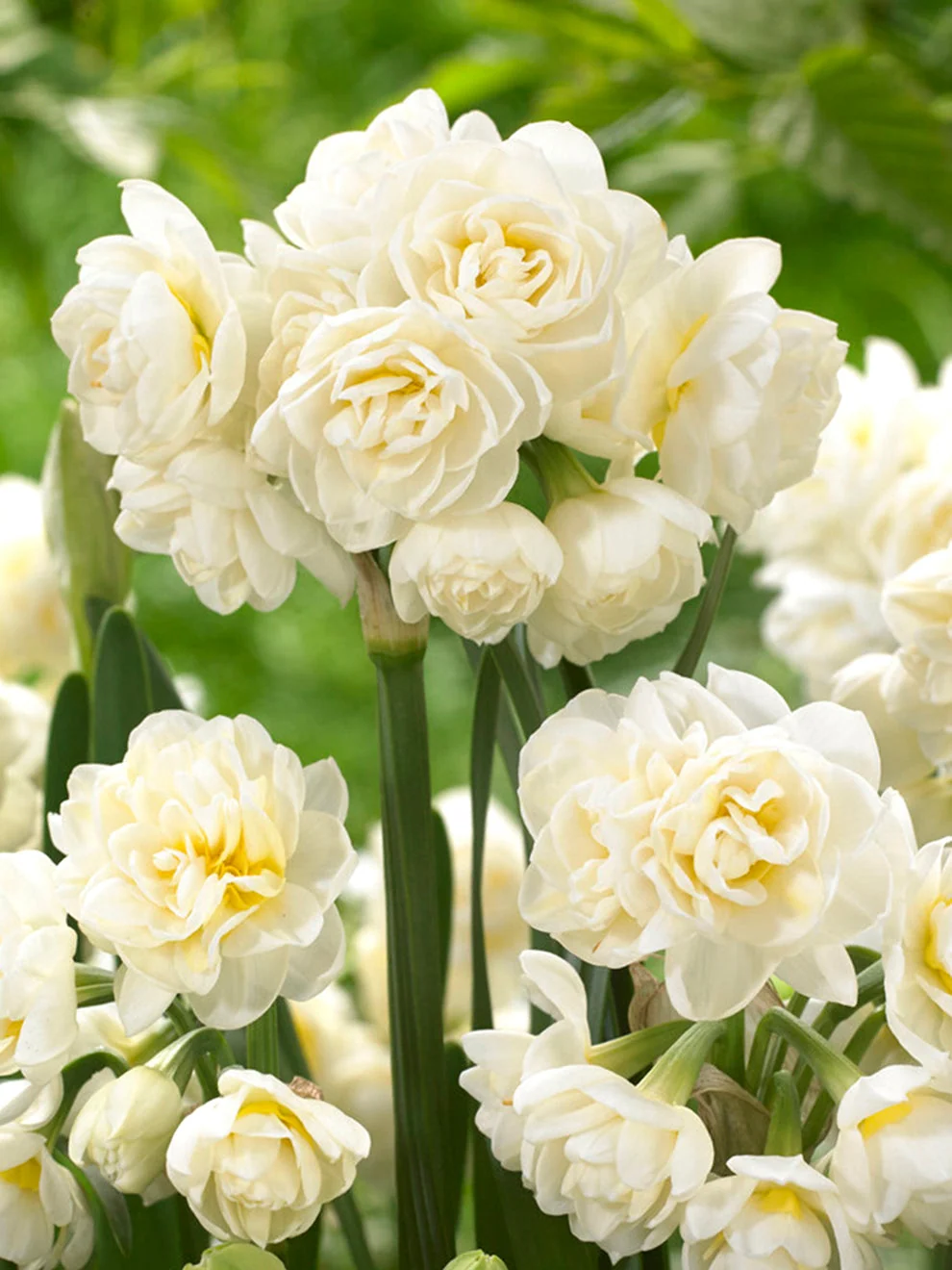
For a mixed planting, the main practical question is whether the timing and colour range suit the surrounding plants. Pair the mix with perennials that emerge later, or keep the area simple so the daffodils remain visible. If you want only a single strong yellow statement, a dedicated variety such as Daffodil Dutch Master may be a more direct purchase than a sequence mix. The DutchGrown page for Dutch Master provides a way to assess whether a uniform trumpet form better fits your scheme; Erlicheer provides a different clustered flower shape. These pages are helpful references, while the mix remains the subject of this review.
- Measure the bed and decide whether the display should read as a drift, a border ribbon or repeated clumps.
- Check the product page for the exact varieties and pack options before placing an order.
- Plant in autumn at the depth and spacing stated for the bulbs, in soil that drains well.
- Leave the foliage in place after flowering until it yellows naturally.
Ordering and timing
The UK product page identifies the collection as autumn-planted bulbs and says dispatch begins by the start of October, with a tracking email after an order ships. That wording describes the retailer’s stated schedule; it does not confirm a delivery date for a particular postcode or order. Check the live availability and delivery information when planning, especially if you are coordinating several beds or planting around other work.
Bulb quantities are offered as different pack sizes, so the cost will depend on how many bulbs you choose and the current listing. We do not reproduce a figure here because product prices and availability can change. Use the UK page to check the current price, shipment status and order terms. The Eight Weeks of Daffodils listing is the authoritative source for the available sizes. DutchGrown also states that the collection is covered by its 100% Grow Guarantee; read the guarantee conditions to understand what it covers and how a claim works. Delivery details are set out separately on the retailer’s shipping information page, and the guarantee page explains its terms.
Strengths and limits
The strongest case for Eight Weeks of Daffodils is convenience with a clear seasonal purpose. The retailer has already assembled eight varieties around extending the flowering window, labels the bulbs as pollinator-friendly, and says they can multiply. For someone establishing a spring display from scratch, that combination can save the work of comparing numerous single-variety listings. The collection page also brings the pack choices together at one destination, so readers can revisit the mix details when ready to plan.
The limitation is that a ready-made mix gives the gardener less control. The summary does not set out the precise flowering sequence or identify the varieties in the mix, so someone designing a tightly timed colour scheme may want more detail first. It is also an autumn planting purchase, which means it needs advance planning and a suitable place where the foliage can remain after flowering. Use the collection page to check details, and compare individual options such as Daffodil Erlicheer or Mini Daffodil Jetfire if you prefer to specify the look yourself.
If choosing a smaller planting area, compare the display scale with Mini Daffodil Jetfire, an individual compact daffodil listing that can help frame a container or border edge.
Where we land
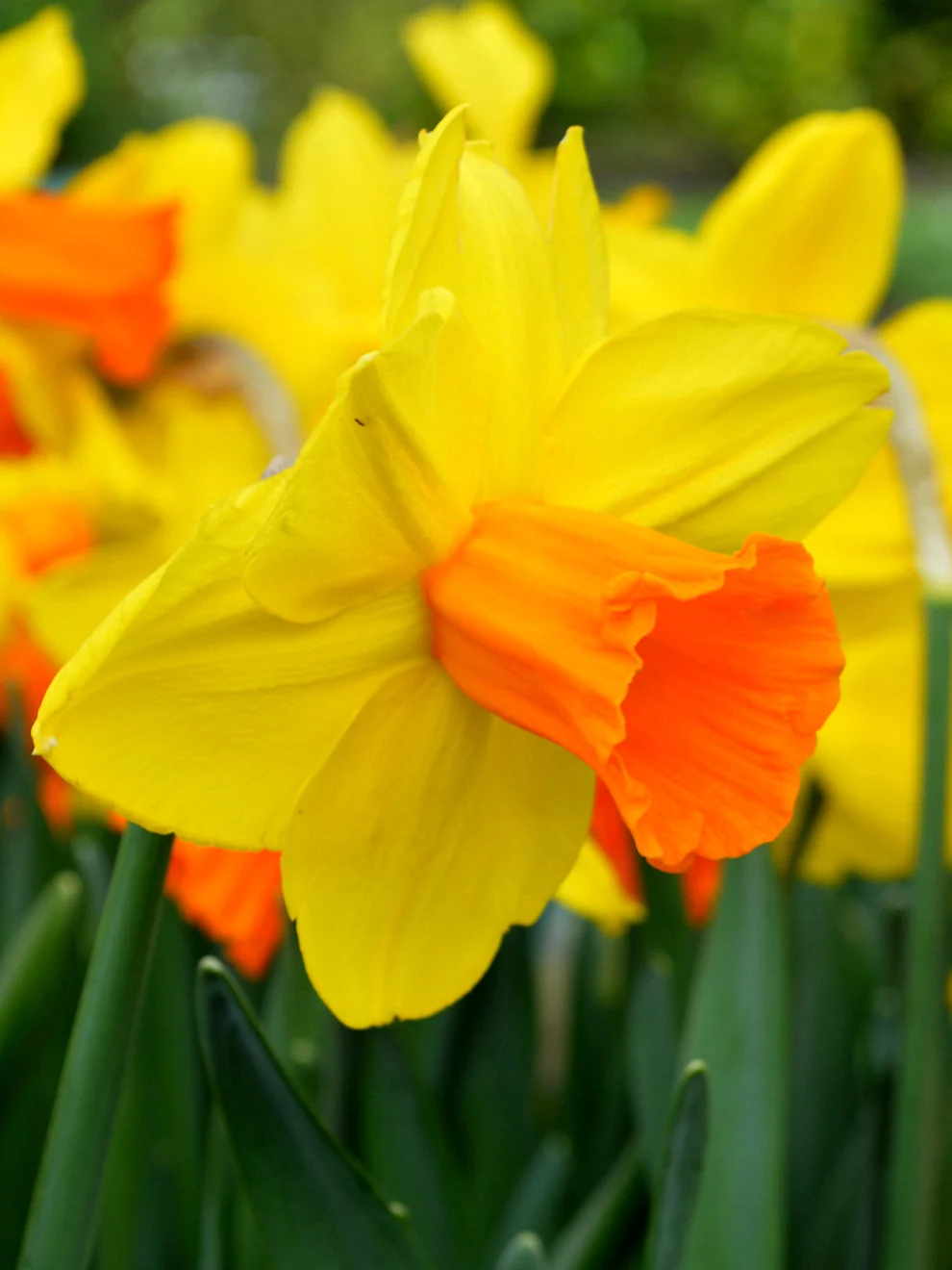
We recommend Eight Weeks of Daffodils for gardeners who want a longer spring display and value a preselected collection over choosing each cultivar. Its stated eight-variety format, top-size bulbs and naturalising claim make it a considered seasonal purchase, provided you can plant in autumn and leave the foliage to finish naturally.
The main reservation is the limited detail about the individual varieties and their flowering order in the page summary. If exact timing or colour control is essential, check the full listing before committing, or build a planting from named single varieties. For a simpler seasonal plan, view the current Eight Weeks of Daffodils collection details.