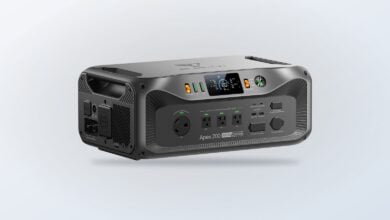

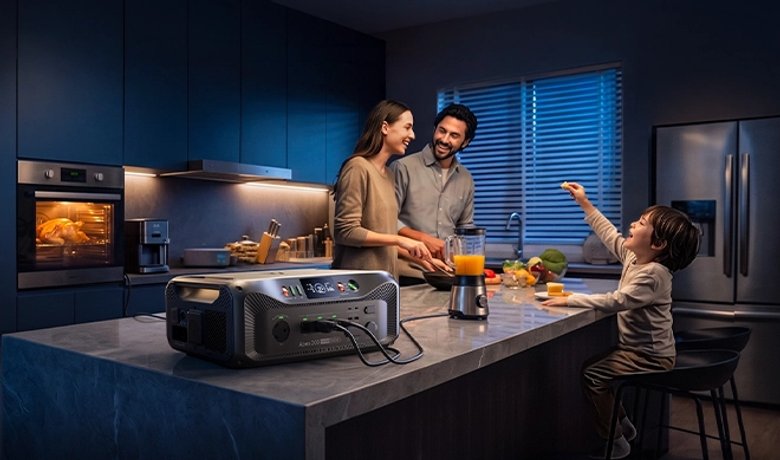
The hard part of choosing a home backup station is matching the system to the job. A compact unit can cover phones and lights, while longer outages or heavier appliances call for more capacity and planning. The BLUETTI Apex 200 is pitched as a middle ground that can grow: it combines a substantial base battery with high output, solar input and expansion options.
We reviewed the product information on BLUETTI’s Canada store. The key question is whether this expandable format fits your likely loads, available charging sources and tolerance for a larger setup.
When you shop through the links in this article, the retailer may pay us a commission. Your price stays the same.
Key facts
- The BLUETTI Apex 200 is listed with 2,560Wh capacity and 3,200W output.
- The product page describes up to 33kWh expansion and 3,000W solar input.
- Its strongest fit is a flexible backup plan with a real need for more runtime or future expansion.
- For a dedicated refrigerator backup or smaller portable loads, FridgePower and Elite 100 mini are more focused alternatives.
Power in context
Capacity and output answer different questions. Watt-hours indicate stored energy; watts describe how much power the unit can deliver at a time. The Apex 200 listing gives a substantial reserve for an outage plan, while its stated output broadens the range of compatible devices. Neither figure alone guarantees a particular runtime: appliance demand, startup surges, conversion losses and simultaneous use all matter.
Before deciding, review the Apex 200 specifications and write down the equipment you actually need to keep running. Separate essentials such as communications and lighting from high-draw devices, then check each item’s running and startup demand against BLUETTI’s detailed specifications. This small bit of planning is more useful than treating a headline capacity as a promise of a fixed number of outage hours.
- List the essential devices and how many hours each should run.
- Check running watts and any motor or compressor startup demand.
- Decide whether loads will run together or in rotation.
- Leave room for real-world losses and charging interruptions.
Expansion and solar
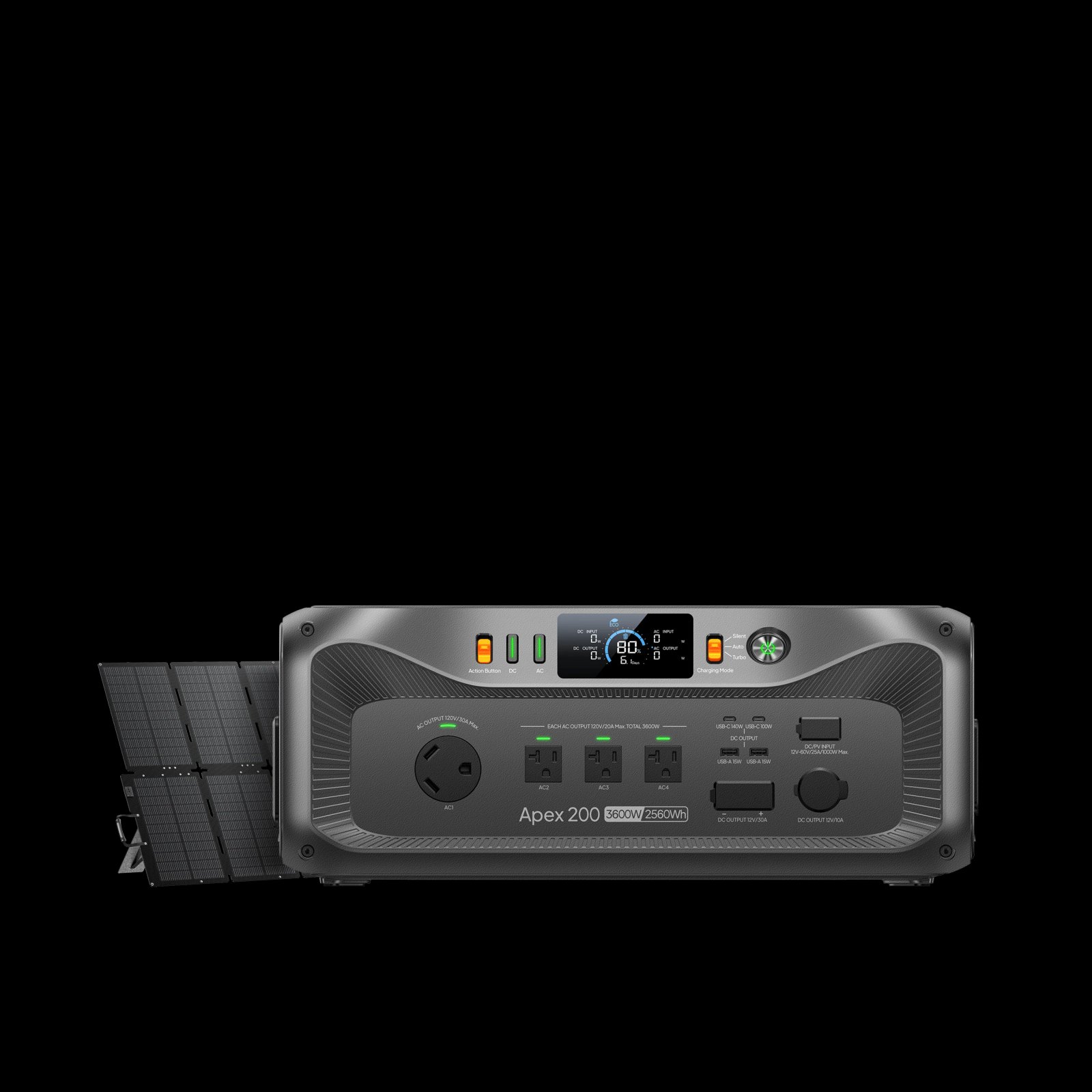
The standout feature of the Apex 200 is growth potential. BLUETTI says the Apex 200 can expand to as much as 33kWh with compatible batteries. That makes it more adaptable than a sealed, one-capacity purchase: a household can begin with a base unit and add storage if its backup goals become clearer. The practical catch is that expansion introduces more equipment, connections and system cost, so the maximum figure is a system ceiling rather than the capacity in the base unit.
Solar input is another part of the Apex 200 proposition. The store lists up to 3,000W of solar input, a substantial charging capability on paper. Real charging depends on panel configuration, sunlight, orientation, season and compatible cabling. A bundle can simplify selection, but shoppers should confirm what is included in the exact Canadian listing and whether that configuration suits their available outdoor space.
- Choose a starting capacity based on essential loads, not the maximum expansion number.
- Check which expansion batteries the current Apex 200 listing identifies as compatible.
- Confirm whether panels and cables are included or sold separately.
- Plan where the station and panels can sit safely during use and recharging.
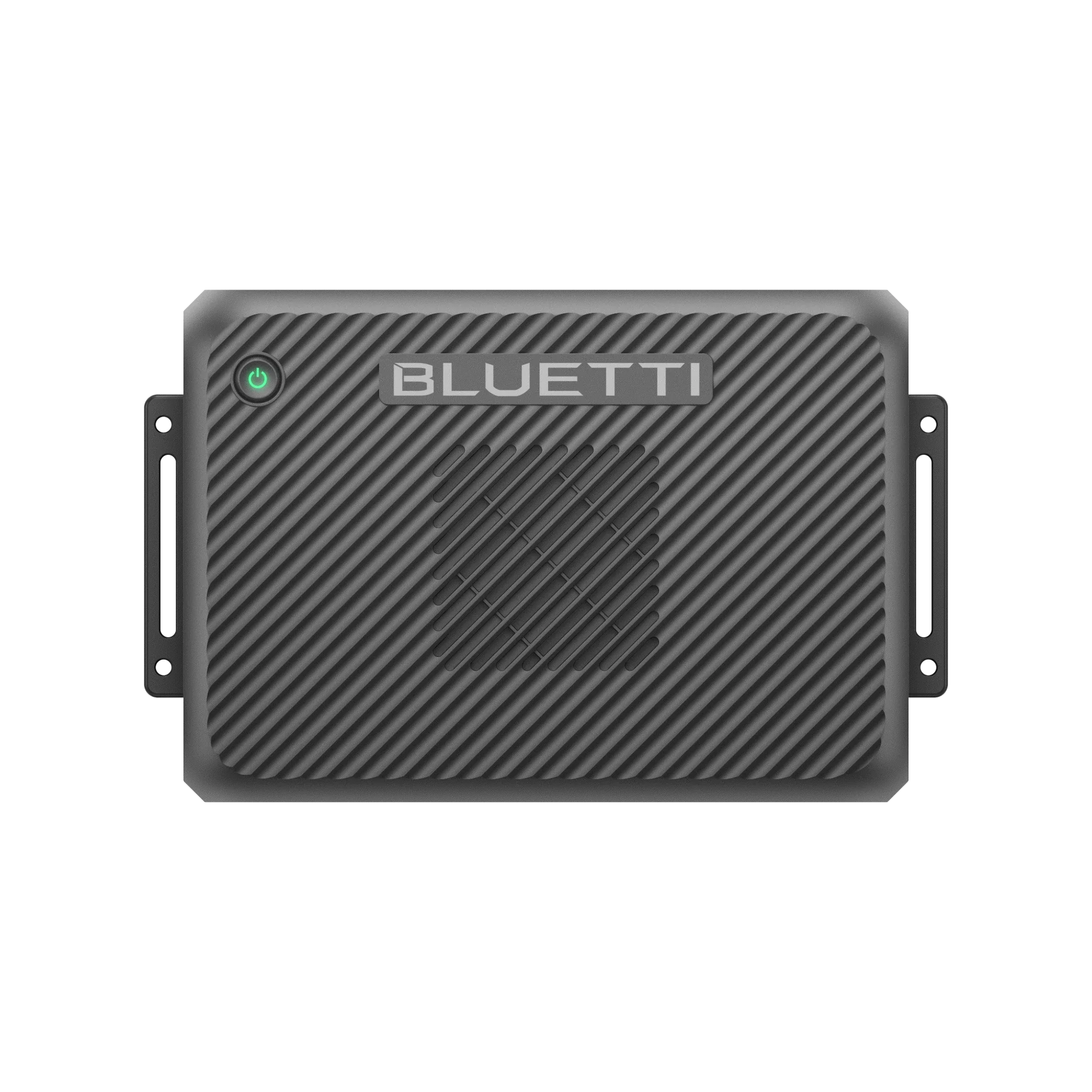
For road-based charging, BLUETTI also sells the Charger 2, described as a 1,200W alternator and solar dual DC charger. It is an ecosystem accessory rather than a substitute for the Apex 200 itself. RV owners should verify compatibility, installation needs and charging conditions before treating it as part of a complete plan.
Everyday handling
The Apex 200 asks for a dedicated place at home, even if the product format is portable. Consider where it will be stored, how it can be moved, and whether you can reach the ports you need without shifting the unit. For emergency use with a portable backup station, setup familiarity matters: know how to connect priority devices and recharge the station before an outage arrives.
BLUETTI presents its delivery, warranty and returns information separately from the product specifications. Read those pages alongside the product listing, especially if you expect to integrate the unit into home backup wiring or rely on it for a specific appliance. Product-page capabilities do not automatically establish that an installation is suitable for every home.
- Measure the intended storage spot and the path used to move the station.
- Review the port layout and output details for the devices you expect to connect.
- Read the Canadian shipping, warranty and return terms before ordering.
Where it fits
The Apex 200 makes the most sense for a household that wants one capable base station and values a path to more stored energy. It can also suit an off-grid or RV plan when the owner has checked the load, charging method and accessory compatibility. Its flexible architecture is the reason to consider it; it is less compelling for someone who only needs a small emergency reserve for a few electronics.
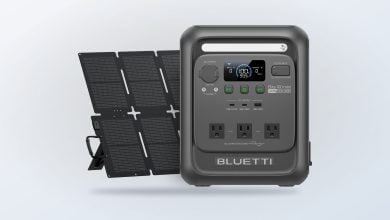
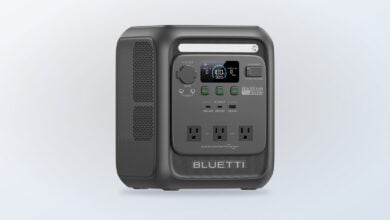
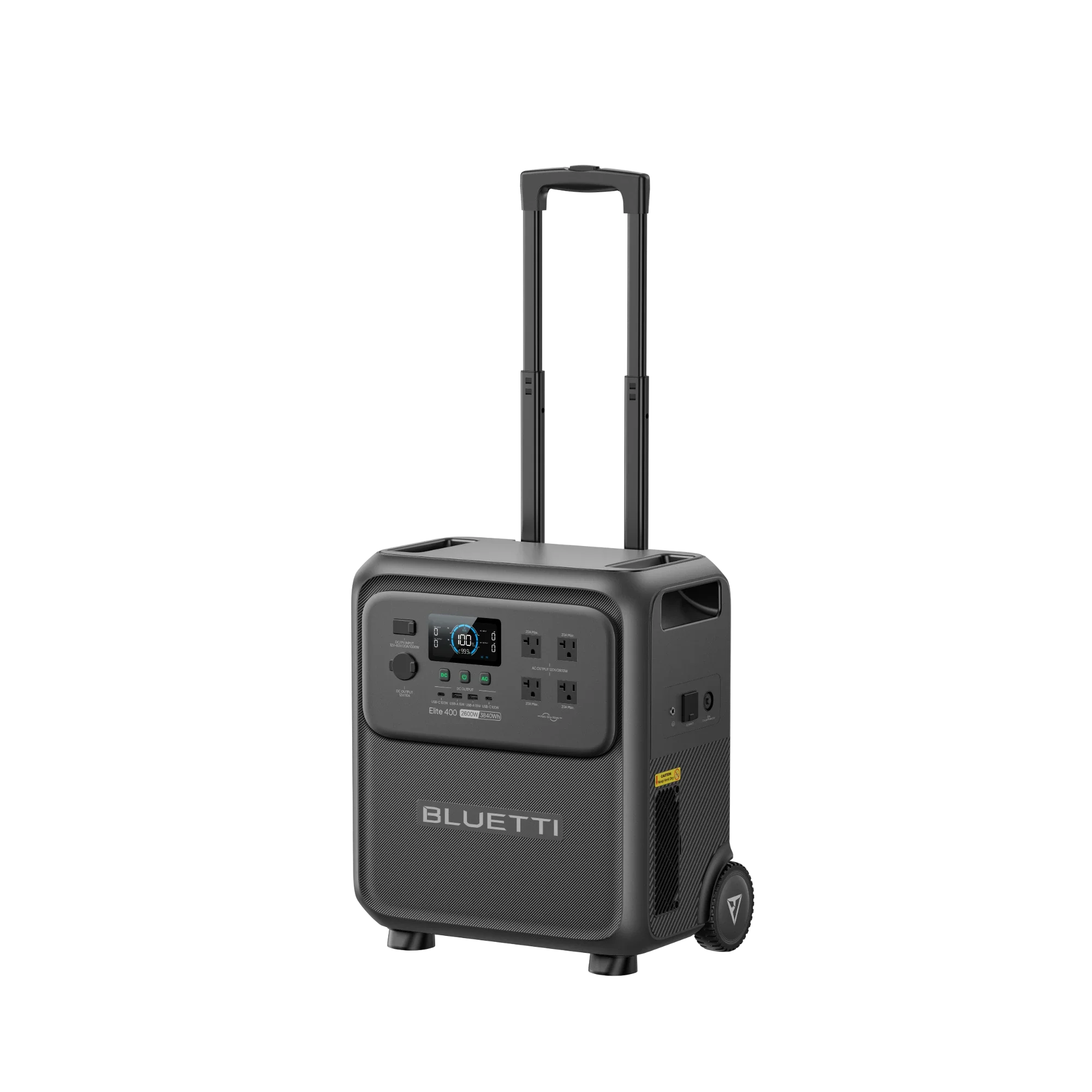
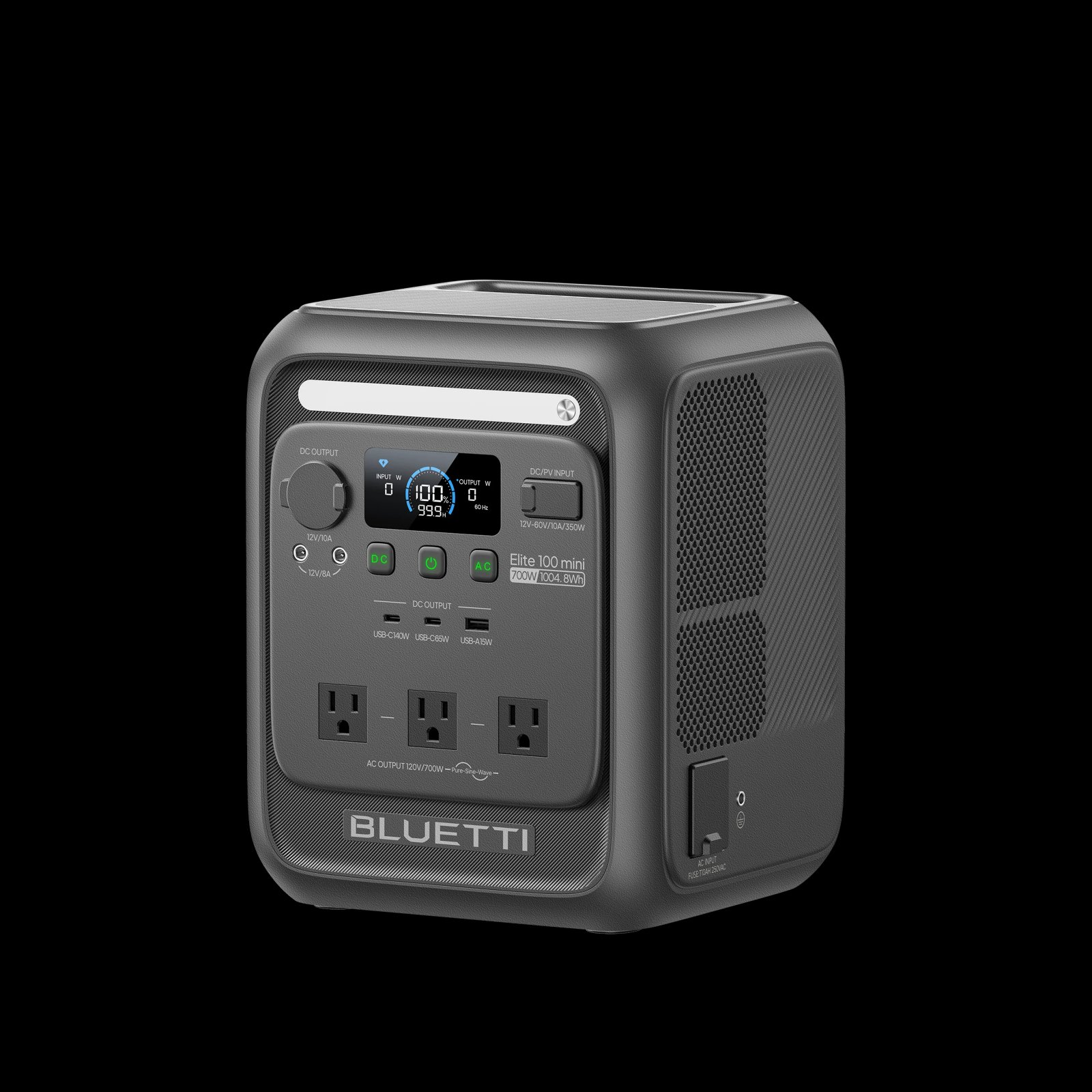
For a tighter use case, BLUETTI’s FridgePower is described as a dedicated battery backup for a refrigerator. It is a more targeted choice when continuity for that appliance is the priority. The Elite 100 mini, by comparison, lists 1,004.8Wh and 700W, a smaller portable category for more modest loads. The Elite 300 lists 3,014Wh and 2,400W, offering another larger station format to compare against the Apex 200’s expandability.
Strengths and limits
The case for the BLUETTI Apex 200 rests on a useful combination: meaningful base capacity, high stated output, solar charging support and the option to add compatible storage. It gives buyers room to shape a system around a changing need instead of committing immediately to the largest configuration. The brand’s Canada store also groups product, accessory and support information in one regional storefront.
- Strength: listed capacity and output make it relevant to more than phone charging.
- Strength: expansion and solar input support a configurable backup approach.
- Limit: runtime still depends on actual load, conditions and energy losses.
- Limit: expanding the system adds purchases and planning; the upper capacity is not included in the base unit.
- Limit: a larger station may be unnecessary for a narrow, low-demand task.
Cost is driven by the base station, expansion batteries, panels and charging accessories selected. Because configurations change, compare the current Canadian product page and bundle contents rather than relying on a generic kit description. Check the current Apex 200 listing, as well as the current FridgePower details and Elite 100 mini specifications, if those alternatives match your use.
Where we land
We recommend considering the BLUETTI Apex 200 when your plan calls for a substantial portable base with the option to add capacity over time. Its listed 2,560Wh, 3,200W output, solar input and expandable architecture make a coherent package for planned backup or off-grid use, provided you size it against real loads and understand what each configuration includes.
The limitation of the Apex 200 system is straightforward: flexibility can become a more involved and costly system, and the headline expansion ceiling does not describe the base model by itself. If that trade-off fits your plan, check the current Canadian listing and confirm the specifications, bundle contents and support terms before choosing.