
Choosing backup power is less about finding one universally best battery and more about deciding what has to stay on, for how long, and where the equipment will sit. BLUETTI’s Canadian range includes expandable portable stations, larger all-in-one stations and a product aimed specifically at refrigerator backup.
We reviewed the product information on BLUETTI’s Canadian store and compared those choices with the kinds of alternatives buyers usually weigh: a compact battery for small electronics or a fuel generator for longer, higher-load operation. Each solves a different problem, and the trade-offs matter as much as capacity.
When you shop through the links in this article, the retailer may pay us a commission. Your price stays the same.
Key facts
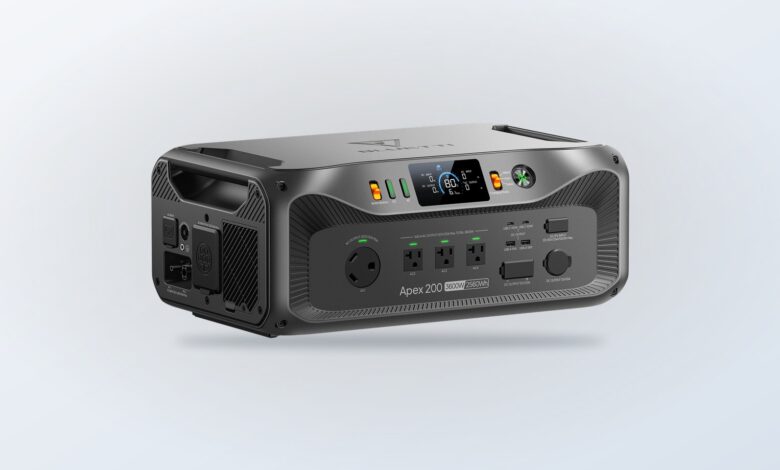
- Apex 200 lists 2,560Wh capacity, 3,200W output and support for expansion, making it the flexible system choice.
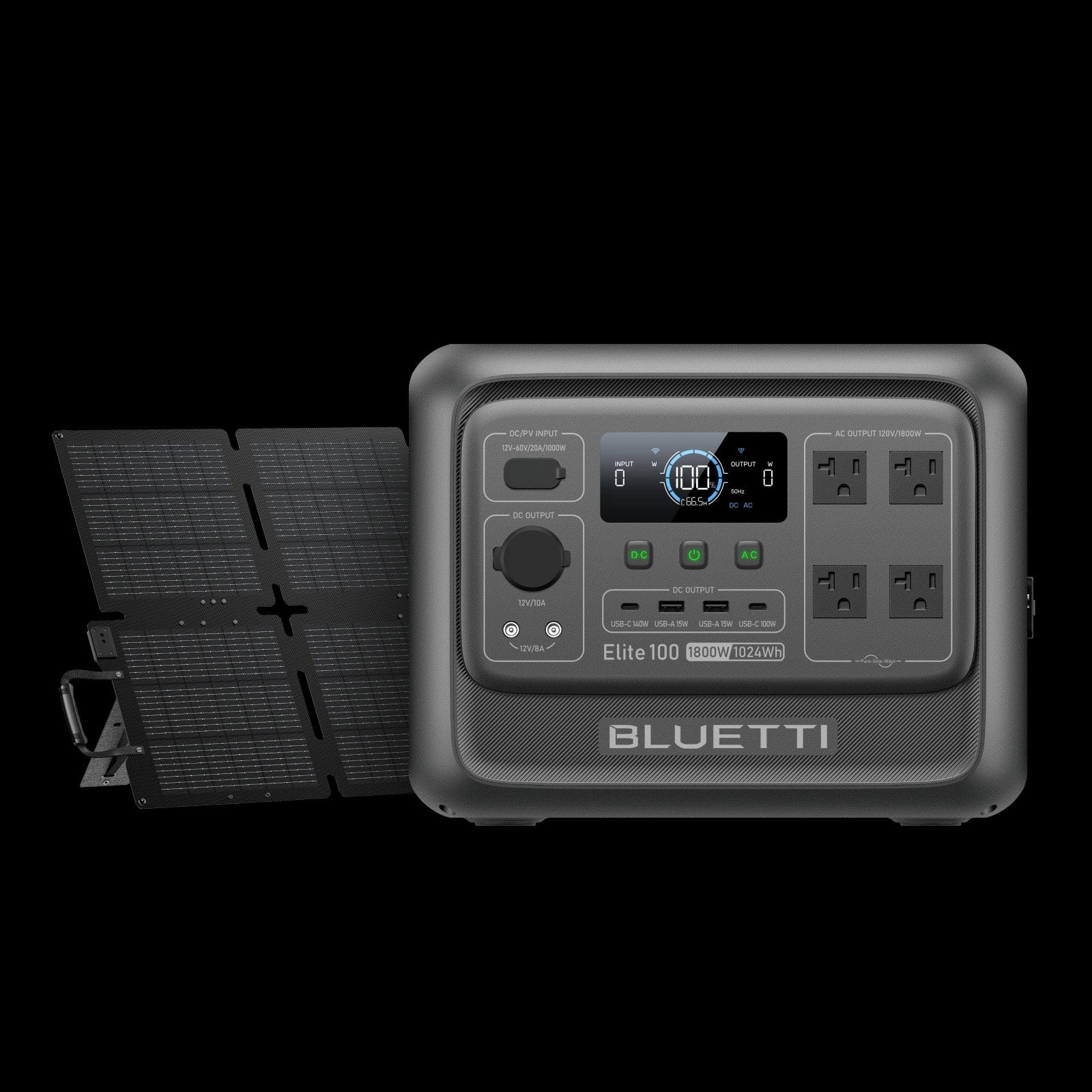
- Elite 300 lists 3,014Wh and 2,400W, a larger self-contained portable station for broader backup planning.
- FridgePower is the specialist option when keeping a refrigerator supported is the main goal.
- A small USB battery fits phones and light electronics; a fuel generator suits longer high-load needs where fuel and outdoor operation are practical.
Three different backup jobs
The Apex 200 is the most configurable of these three options. BLUETTI lists 2,560Wh capacity and 3,200W output, alongside expansion support up to 33kWh and a stated 3,000W solar input. That combination points toward buyers building a system over time or planning for a wider range of backup loads. Expansion can be useful, but it also means checking which batteries, cables and system components are required rather than treating the base station as the whole setup.
The Elite 300 takes a simpler route: its product listing gives 3,014Wh capacity and 2,400W output in one portable station. It is a plausible starting point for someone who wants more stored energy than a compact unit offers and does not need the Apex 200’s advertised expansion path. The listed capacity is higher, while the Apex 200’s output rating is higher; those figures answer different questions and neither alone predicts runtime.
The FridgePower is a more focused proposition. Its name and Canadian product listing position it as refrigerator battery backup, which may be more relevant than a general-purpose station if protecting chilled food is the main concern. It should not be treated as interchangeable with the two larger power stations without checking the listing for supported refrigerator types, runtime expectations, connection requirements and what is included.
How the options compare
| Option | Best fit | Main advantage | Trade-off |
|---|---|---|---|
| Apex 200 | Expandable backup | 3,200W output; expansion support | More components to plan |
| Elite 300 | Portable general backup | 3,014Wh in one station | Less output than Apex 200 |
| FridgePower | Refrigerator support | Purpose-focused choice | Narrower use case |
This comparison is based on the Canadian store’s product information, not a hands-on test. Specs and included items can vary by listing or bundle, so confirm the current product page before building a system. The figures above describe capacity and output where BLUETTI states them; they do not guarantee a particular appliance runtime.
Capacity is only half the decision
Watt-hours provide a useful reference for stored energy. Output in watts describes how much power the station can supply at once. Buyers need to compare both with the equipment list: a device can exceed the output limit even when the station has ample stored capacity, while a modest load can still drain a battery over a long outage.
- Write down the devices that must stay powered and their stated draw.
- Check whether appliances start with a higher surge than their normal running load.
- Estimate how long each device needs to run, then prioritize essentials.
- Confirm charging options, cable needs, dimensions and weight on the exact Canadian listing.
For a flexible system, compare your planned loads with the Apex 200 listing and verify what expansion hardware is compatible. Its stated expansion ceiling is a system capability, not energy included with the base station. Someone whose requirements are stable may prefer the less modular proposition of the Elite 300, provided its output and capacity fit the appliance plan.
Cost also follows the configuration. Capacity, expansion batteries, solar panels and bundled accessories can change the total, so compare complete setups rather than base-unit labels. BLUETTI’s product pages are the right place to check current availability and configuration details; no one capacity figure settles the value question without knowing what the buyer needs to run.
When simpler alternatives make sense
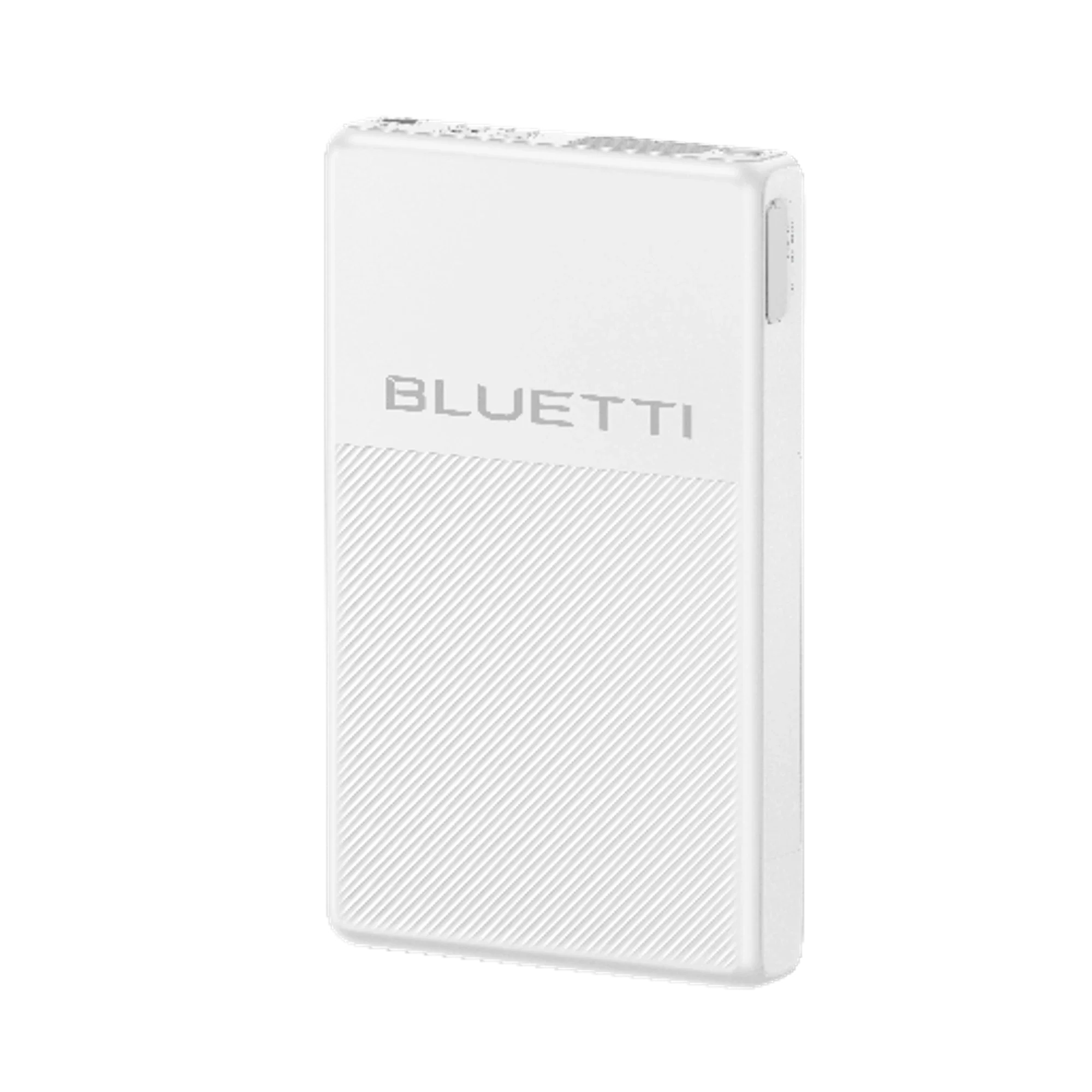
For phones, earbuds and perhaps a small tablet, a compact USB power bank is usually the simpler category to compare. Its smaller format generally suits carrying and storage better than a full power station, while avoiding output or capacity a light device list may not use. It is not a substitute for the refrigerator support or broader appliance backup discussed here.
A fuel generator may suit some longer outages or larger loads, depending on its rated capacity, fuel access and safe outdoor operation. It introduces different considerations: fuel storage, noise, ventilation, maintenance and safe placement. Battery stations have no combustion exhaust at the point of use and are typically quieter during operation than fuel generators, though fan noise and operating conditions vary. Their available energy is finite unless a recharge source is available. Neither category is automatically right for every home.
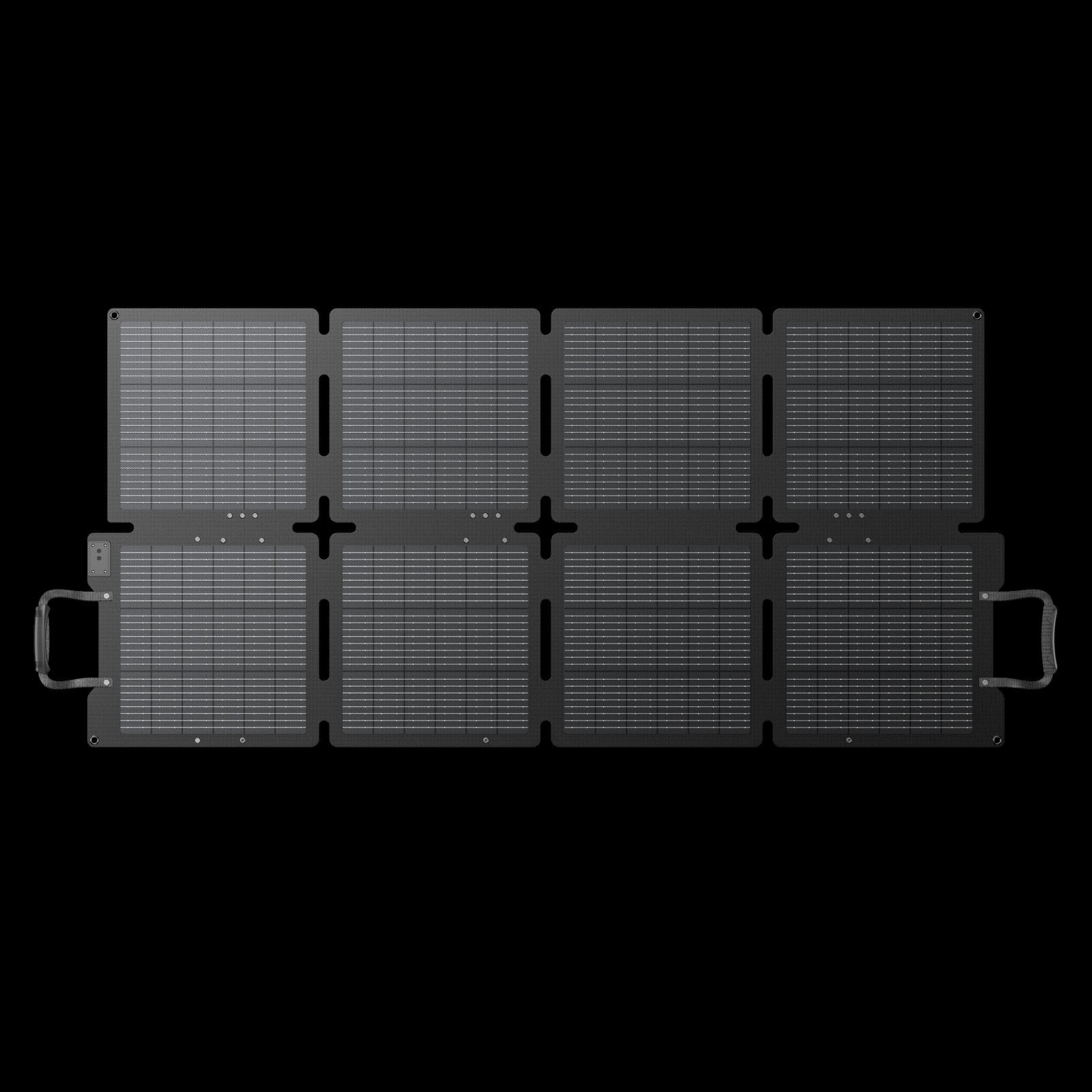
Solar is another variable, not a guarantee. A panel such as the BLUETTI SORA 130 may be relevant to a compatible station, but actual charging depends on sunlight, placement, season and the station’s supported input. Check the Apex 200 specifications or the chosen station’s own listing for supported solar input, connectors and any limitations before buying accessories.
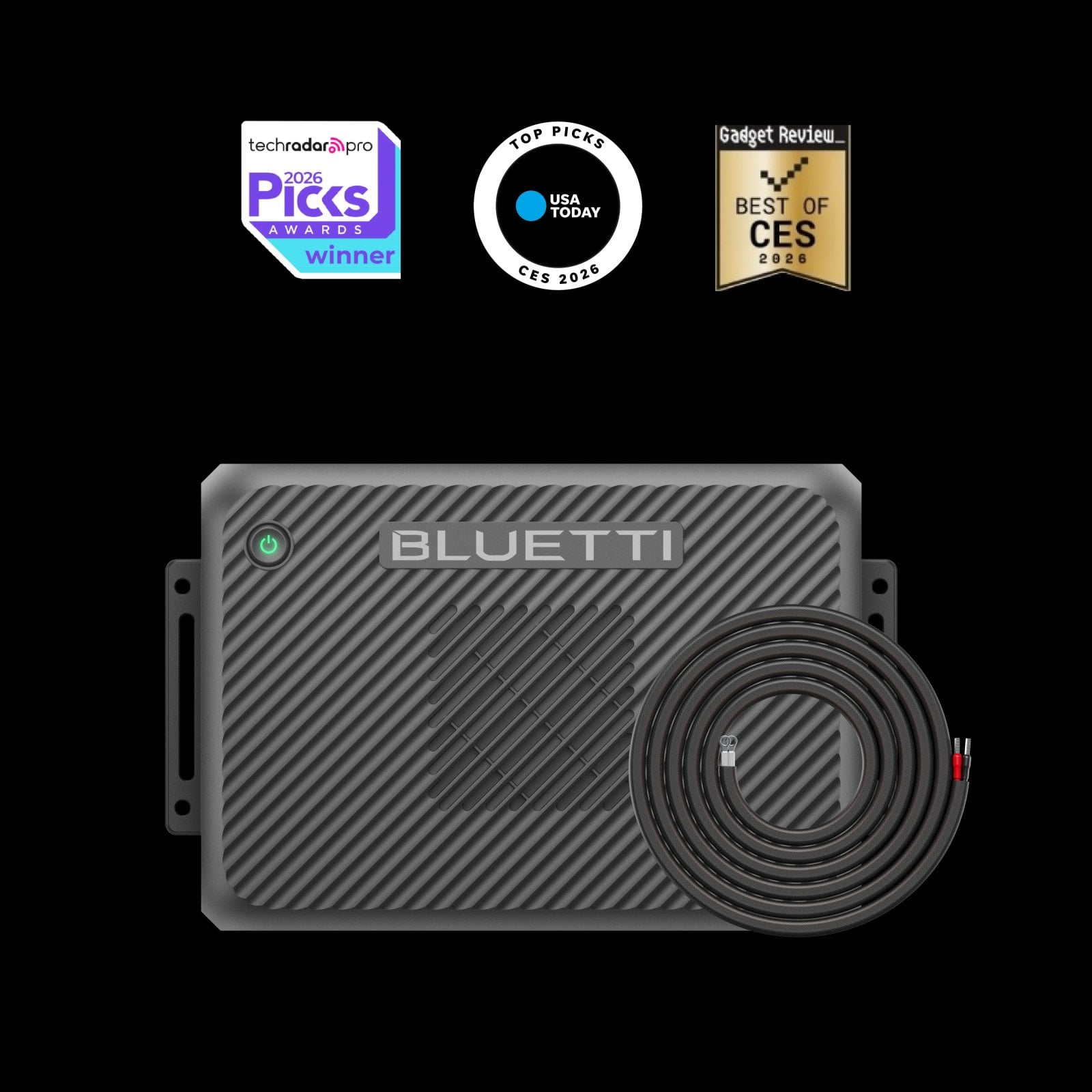
For a vehicle-based system, the Charger 2 is a separate alternator and solar dual DC charger in BLUETTI’s range. It answers a replenishment question rather than replacing the battery station itself. Confirm compatibility with the selected equipment, installation requirements and whether the vehicle use case justifies the added component. A home-focused buyer may have no reason to include it.
Trade-offs by model
- Apex 200: higher listed output and stated expansion support; the compromise is planning compatibility and any additional system components.
- Elite 300: greater listed capacity in a single station; its listed output is lower than the Apex 200, and it does not offer the same stated expansion path.
- FridgePower: a purpose-focused refrigerator backup option; its narrower role means buyers should verify appliance compatibility and runtime details carefully.
Match the pick to the plan
- Choose the Apex 200 when higher stated output and a possible expansion path are priorities, and you are prepared to plan the full system.
- Choose the Elite 300 when a larger self-contained portable station better matches your device list and the listed output is sufficient.
- Consider FridgePower when refrigerator continuity is the central job and its current specifications suit your appliance.
- Keep a compact power bank or fuel generator in the comparison if your needs point toward lighter electronics or prolonged high-load operation.
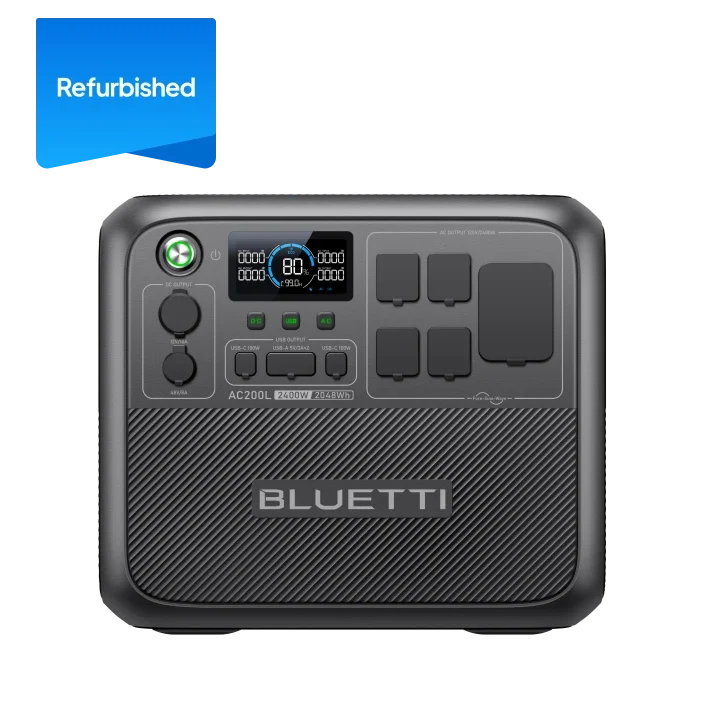
Before choosing, decide whether you need a single appliance protected, several essentials covered, or a system that may grow. Then check the latest Canadian specifications, compatibility notes, included accessories, physical size and current cost drivers on the exact listing. BLUETTI’s range makes these distinctions worth sorting out before comparing bundles.
Where we land
For a broad portable backup brief, the Apex 200 is our most flexible pick on paper, as an editorial conclusion from its higher listed output than the Elite 300 and its stated path to expansion. The Elite 300 is the clearer choice for buyers who value a larger stated capacity in one station, while FridgePower is the more focused option when refrigerator support is the priority.
The limitation is that none is a universal outage solution: real suitability depends on appliance demand, runtime, charging access and configuration. Check the current Canadian product details and choose around a written load plan.