
Canadian winter changes the shape of a backup power plan. An outage can put food storage, heat controls, communications and essential devices on the same short list, while cold weather and limited daylight complicate recharging. Start by deciding what must stay on.
BLUETTI Canada’s range includes a refrigerator-focused backup product and portable power stations in several capacities. We reviewed the brand’s Canada product pages for this guide. The BLUETTI Canada Elite 300 listing and focused refrigerator backup option both deserve a load check. Their listed specifications can help narrow the field, but your appliance labels and expected outage length should drive the final choice.
When you shop through the links in this article, the retailer may pay us a commission. Your price stays the same.
Key facts
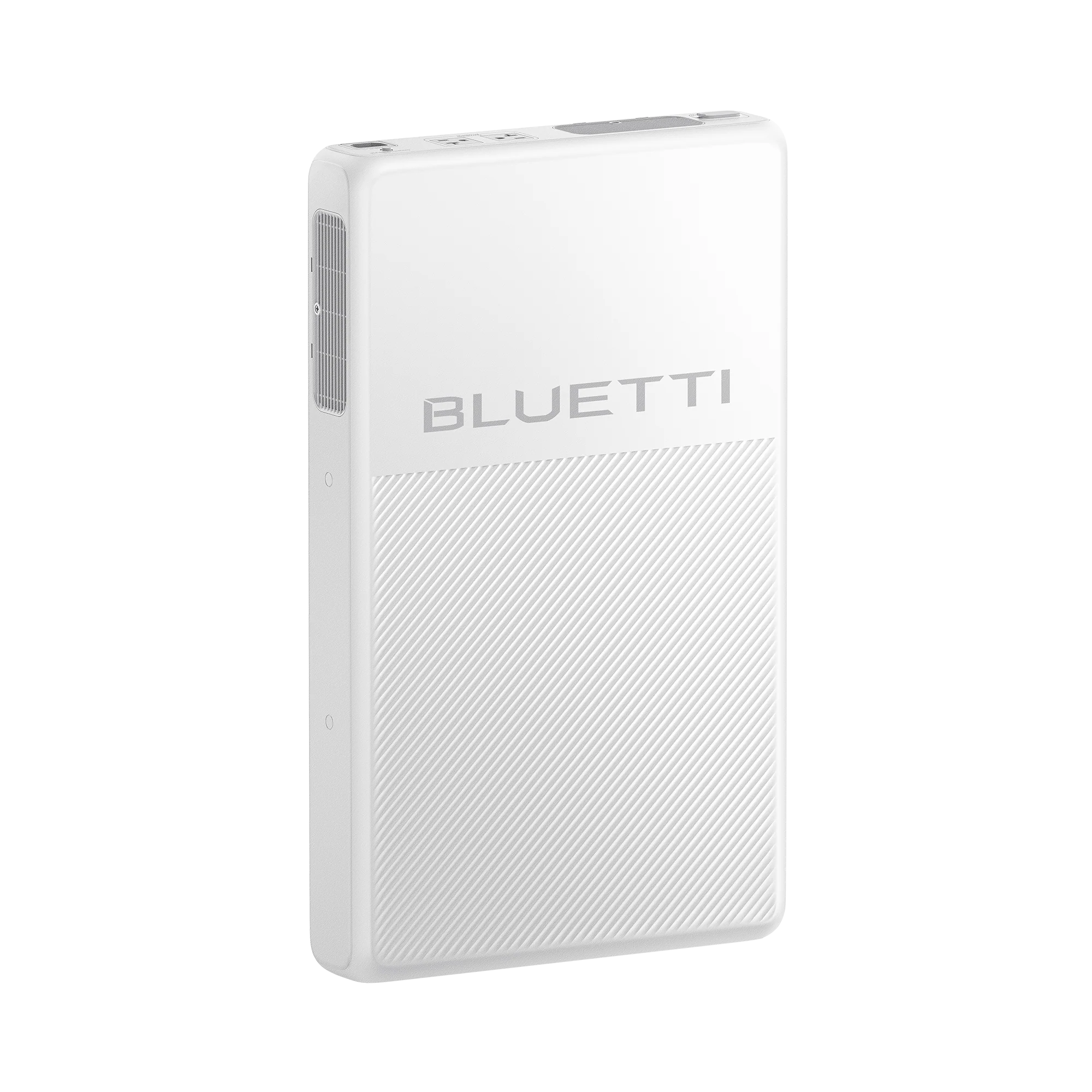
- FridgePower is the focused choice for refrigerator backup, with an ultra-slim design, fast UPS switching and smart alerts listed by BLUETTI.
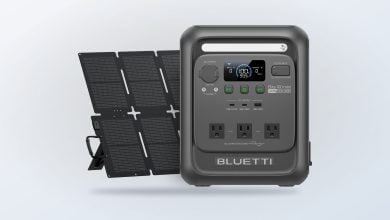
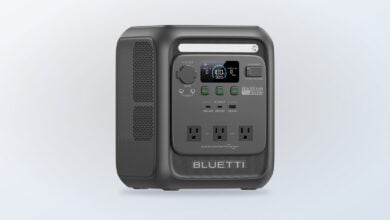
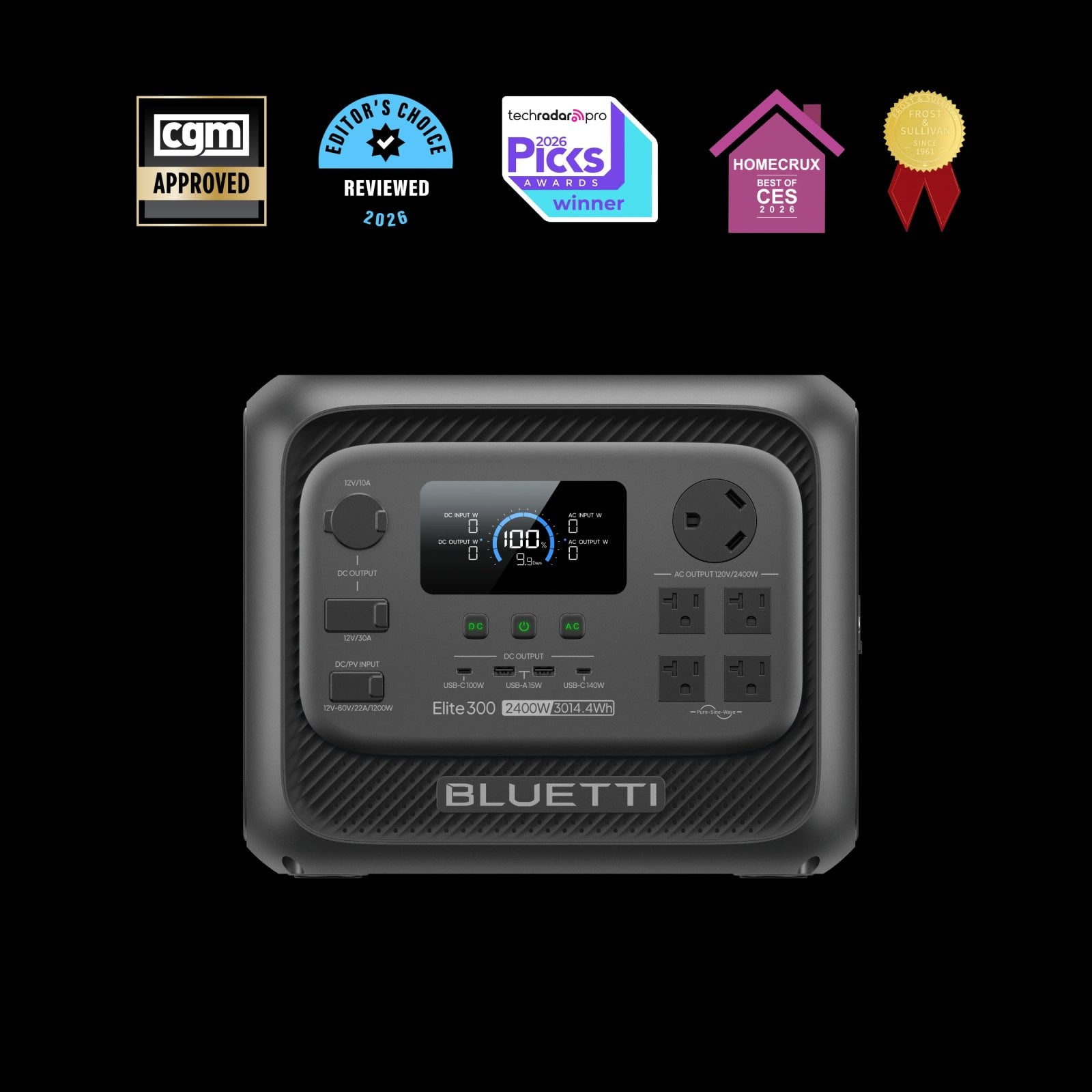
- Elite 300 lists 3,014Wh capacity, 2,400W output, eight ports and under-10ms UPS switching.
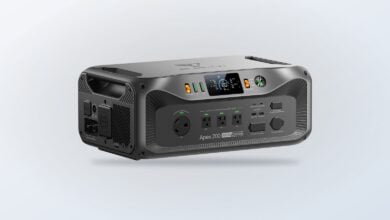
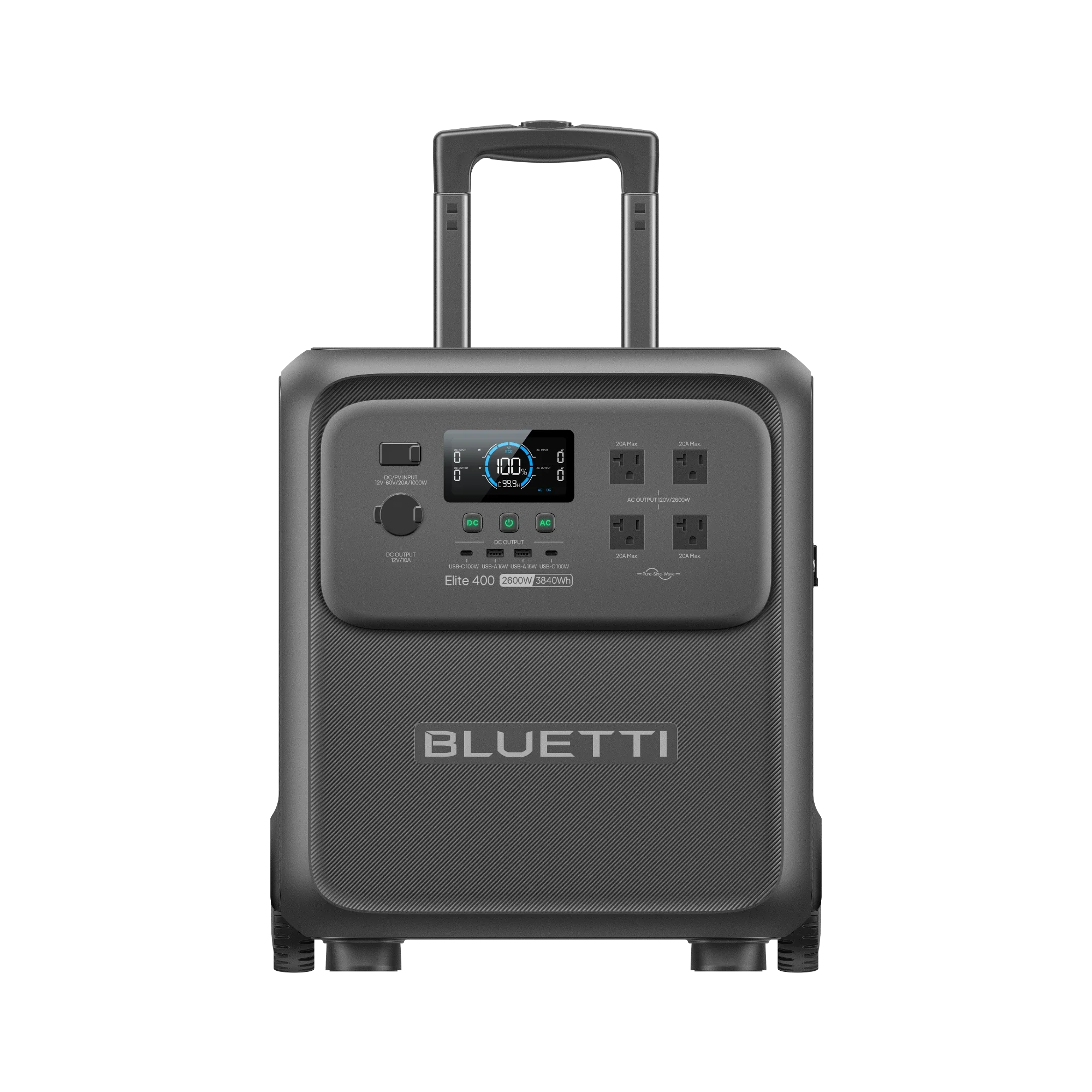
- Elite 400 lists 3,840Wh capacity and 2,600W output for people planning around a broader set of loads.
- Write down essential appliances and their wattage before choosing. A power station cannot safely replace every home circuit or heating system.
Start with the cold chain
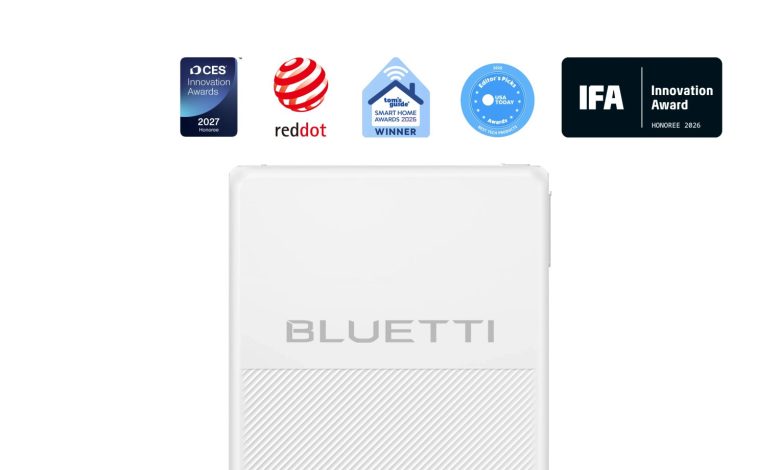
For many households, keeping a refrigerator running is an easy first priority to name. It has a clear job and a familiar plug, unlike a whole-home backup plan that may involve several circuits and an electrician. Start with the FridgePower option if that is your main concern. BLUETTI positions FridgePower around that specific problem: its Canada page describes an ultra-slim 75 mm form, quick UPS switching, smart alerts and up to four days of power under stated conditions.
BLUETTI lists these as product features, but runtime varies with the appliance and conditions. Before choosing the FridgePower backup system, check the refrigerator’s label and the product page’s notes on supported loads and runtime assumptions. Also review the official FridgePower listing for installation details.
- Note the appliances that matter most, then record their running wattage and any starting surge.
- Separate must-run loads from conveniences such as a television or extra lighting.
- Decide whether you need automatic transfer for one appliance or a portable station you connect as needed.
- Leave any hardwired or high-load equipment to a qualified electrician and the product instructions.
A dedicated fridge circuit
A dedicated backup keeps the plan relatively straightforward: focus on one appliance, preserve its contents and receive status information if the system supports it. See the BLUETTI Canada FridgePower listing for its supported use. That makes FridgePower easier to evaluate than a larger general-purpose station if the refrigerator is the only priority. The slim format may also matter where floor space is tight, though measurements and clearance should be confirmed on the Canada listing.
The limitation is just as important. A fridge-focused unit does not automatically cover a furnace, well pump, router and kitchen outlets together. Its stated multi-day runtime is a brand claim tied to conditions, not a universal guarantee. Read the current FridgePower product details, check installation requirements and decide how you will keep the unit charged before the next storm. Compare the FridgePower specifications with your fridge model.
A station for essentials
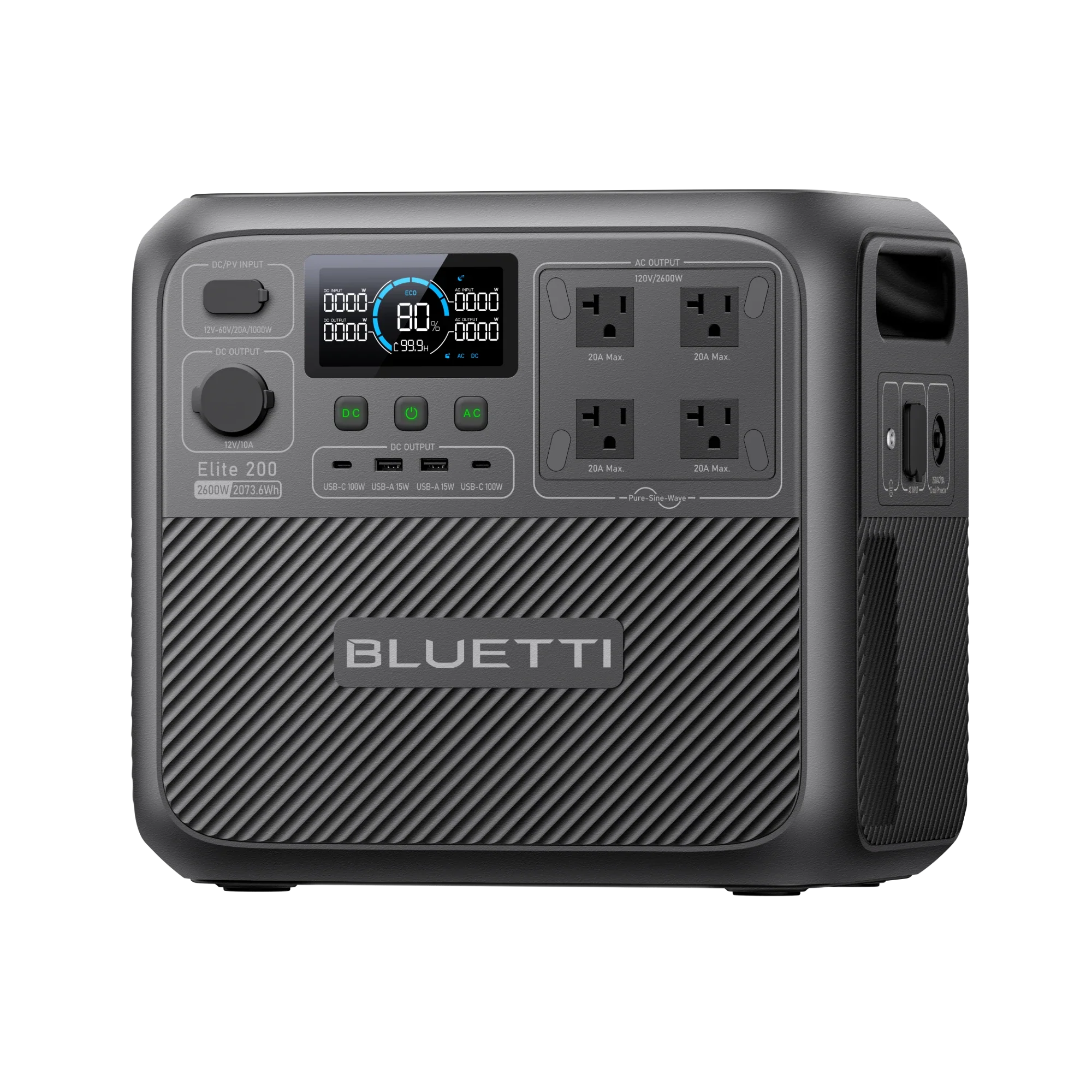
If your outage plan includes phones, a modem, lamps and a few small appliances as well as food storage, a portable station may suit the job better. For a smaller load, compare the Elite 100 mini details as well. BLUETTI lists Elite 300 with 3,014Wh capacity, 2,400W output, eight ports and under-10ms UPS switching. Those specifications describe a broader device mix than a fridge-only setup, while the brand also presents it for home or outdoor use.
Capacity is not the same as a fixed number of hours. Add the wattage of what you intend to run and estimate how long each item will be on; leave headroom for startup demand and conversion losses. The Elite 300 portable station is a reasonable middle path to investigate when the list includes several essentials but does not require a home integration system.
- One appliance at a time: a focused backup plan can be easier to estimate than several circuits.
- Refrigerator only: compare a purpose-built backup with the appliance requirements.
- Communications and lights: total the router, phones and lamps you would actually connect.
- Several appliances: check continuous output and surge needs, not capacity alone.
- Home circuits: ask an electrician about transfer equipment and local requirements.
Options by job
| Option | Listed detail | Best suited to | Trade-off to check |
|---|---|---|---|
| FridgePower | Fridge backup; slim design | One refrigerator priority | Runtime depends on appliance and conditions |
| Elite 300 | 3,014Wh; 2,400W | Several essential devices | Check total load and startup surge |
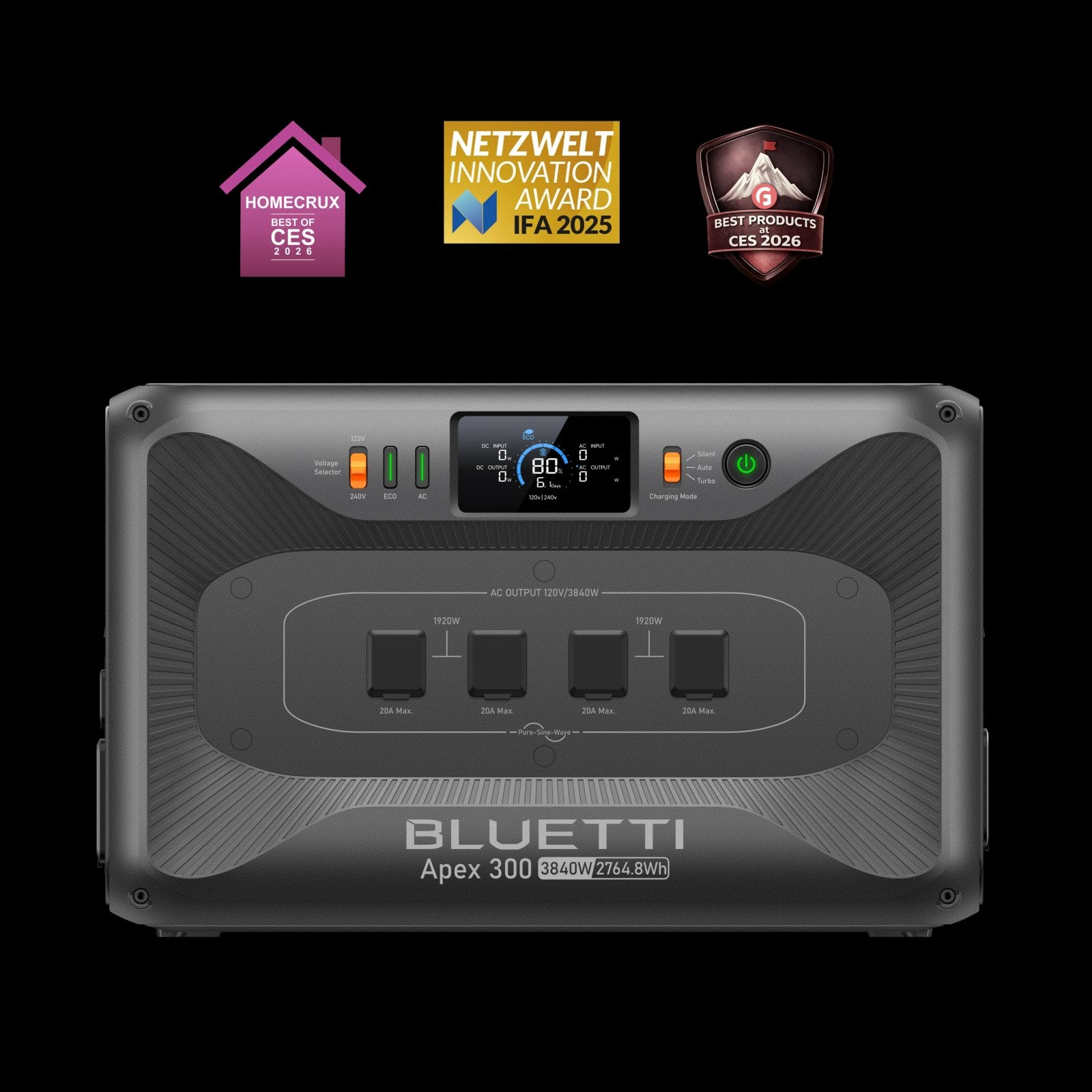
| Elite 400 | 3,840Wh; 2,600W | A larger load estimate | Confirm charging inputs and space |
These are BLUETTI’s listed figures and product positioning. For a rough runtime estimate, divide usable watt-hours by the average watts of connected devices, then allow for conversion losses, cycling appliances and startup demand. It is a planning estimate, not a guaranteed duration.
When capacity matters
A longer expected outage or a larger essential-load list may point toward more storage. Elite 400 is listed at 3,840Wh and 2,600W, giving it more stated capacity and output than the Elite 300. That comparison is useful when estimating a plan, but it does not mean the larger unit is automatically the better fit: it may offer more capacity than a compact household needs, so check its listed dimensions and compare current product details. Review the Elite 400 page for dimensions before reserving a place for it.
We would shortlist the Elite 400 station for a household that has already identified several meaningful loads and needs more reserve than a smaller portable option offers. Compare it with the Elite 300 listing to see whether you need the additional capacity. Compare the Canada listing’s current dimensions, charging methods and expansion compatibility before deciding. For a small essentials list, the Elite 300 may be the more proportionate place to start. Check the Elite 300 page for its supported ports and inputs.
Recharging in winter
Recharge planning matters in winter. A station can be topped up from household power before severe weather; solar depends on compatible panels, placement, daylight and snow cover. Short days make solar less predictable as a sole recovery plan. See the Elite 300 page for supported inputs. Treat it as one part of the setup unless your own location and charging window support more.
Check supported charging inputs and temperature limits in each Canada listing; portability does not mean a unit can be charged outdoors in freezing weather. Compare the Elite 300 specifications and Elite 400 specifications with your available outlets and panels.
Limits to plan around
Portable battery products can keep selected equipment available, but they do not make an outage disappear. A high-draw electric heater, electric range or central heating system can consume stored energy quickly or exceed a station’s output limits. A battery should not be treated as a substitute for safe heating, ventilation or a professionally designed home backup installation. Review BLUETTI Canada product guidance for the product-specific limits. Safety comes first when planning winter power use.
Before buying, match connectors and output, allow for startup surges and simultaneous use, and decide where the unit will sit and how you will monitor charge. BLUETTI’s Canada portable power range includes products with different roles; the strongest choice is the one whose official specifications match your written load list.
- Keep a printed list of essential devices and their power requirements.
- Charge the unit ahead of forecast severe weather and follow the maker storage guidance.
- Check local emergency guidance for heating, carbon monoxide and food safety.
- Revisit the plan when you add appliances or change the expected outage duration.
Where we land
For a refrigerator-first plan, start with FridgePower and verify its claimed runtime against the actual appliance. For phones, lights, communications and a broader set of portable loads, Elite 300 looks like the more flexible starting point. Consider Elite 400 when your load estimate genuinely calls for its higher listed capacity and output.
The main limitation across the range is that a product specification cannot predict your home’s real runtime without an honest load estimate. Check current Canada product details, supported charging methods, temperature limits and dimensions before settling on a setup.