
We examined Aetrex’s stated support system and representative styles to show what the range does well, where fit decisions remain personal, and who it is most likely to suit.
Comfort footwear is easy to describe in broad terms and harder to assess usefully. The practical questions are narrower: is support built into the shoe, can the fit be adjusted, and does the shape match the way you plan to wear it?
Aetrex sits between everyday footwear and foot-care equipment. Its store covers sandals, loafers, sneakers, boots, clogs and orthotics, while its technology pages emphasize foot scanning and fit data. We reviewed the brand’s stated features and four representative product pages to separate a coherent design proposition from promises that still depend on the individual wearer.
This article contains affiliate links. If you buy through them, we may earn a commission at no extra cost to you.
At a glance
- Core proposition: built-in arch support and cushioning across several footwear categories.
- Walking choice: the Serena Arch Support Sneaker is listed with a removable insole and walking-oriented technologies.
- Dressier choice: the Collette Arch Support Loafer brings leather styling and an adjustable vamp to the range.
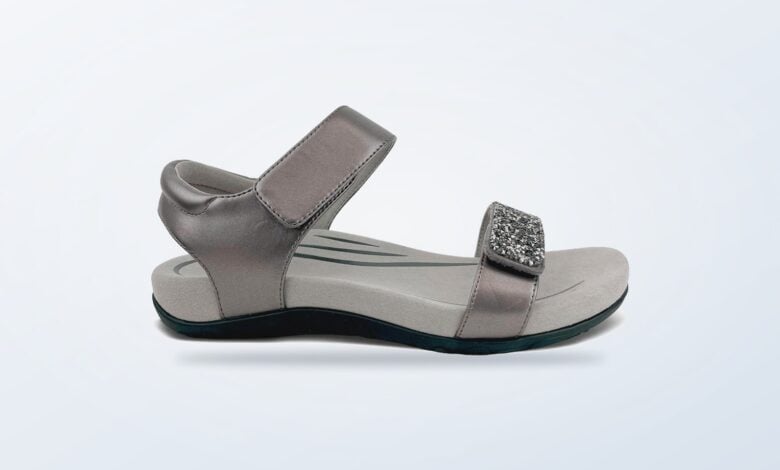
- Warm-weather choice: the Maria Studded Quarter Strap uses adjustability and a memory foam footbed.
- Important check: current prices, sizes, colors and availability change by product page.
A support system, not one universal shoe
The store’s clearest through-line is the Aetrex Orthotic System. Aetrex’s footwear is described as informed by millions of foot scans, and product descriptions commonly call out arch support, cushioning or an orthotic footbed. That gives the brand a more specific proposition than simply labelling a shoe comfortable.
It also explains why the range is so broad. A support feature can appear in a casual clog, a walking sneaker or a dressier sandal, but the surrounding construction changes the experience. The Maria Studded Quarter Strap pairs its support story with a memory foam midsole, microfiber footbed lining and an adjustable closure. The Collette loafer takes the same general direction into a leather upper, an adjustable vamp and a lightweight EVA midsole.
That breadth is a genuine strength for shoppers who want supportive features without staying in one visual category. It is also the first limitation: the word support does not mean every product has the same geometry, softness, heel hold or tolerance for long days. We would treat the individual product page as the meaningful unit of review.
Before choosing, compare the details that are easiest to overlook:
- Footbed: check whether it is removable and whether the product names a specific cushioning material.
- Upper and closure: leather, textile, stretch and hook-and-loop adjustments solve different fit problems.
- Use case: a sandal, loafer, sneaker and clog should not be judged by the same standard.
- Availability: confirm live sizes, colors, shipping and returns on the store page.
Four products that make the range easier to judge
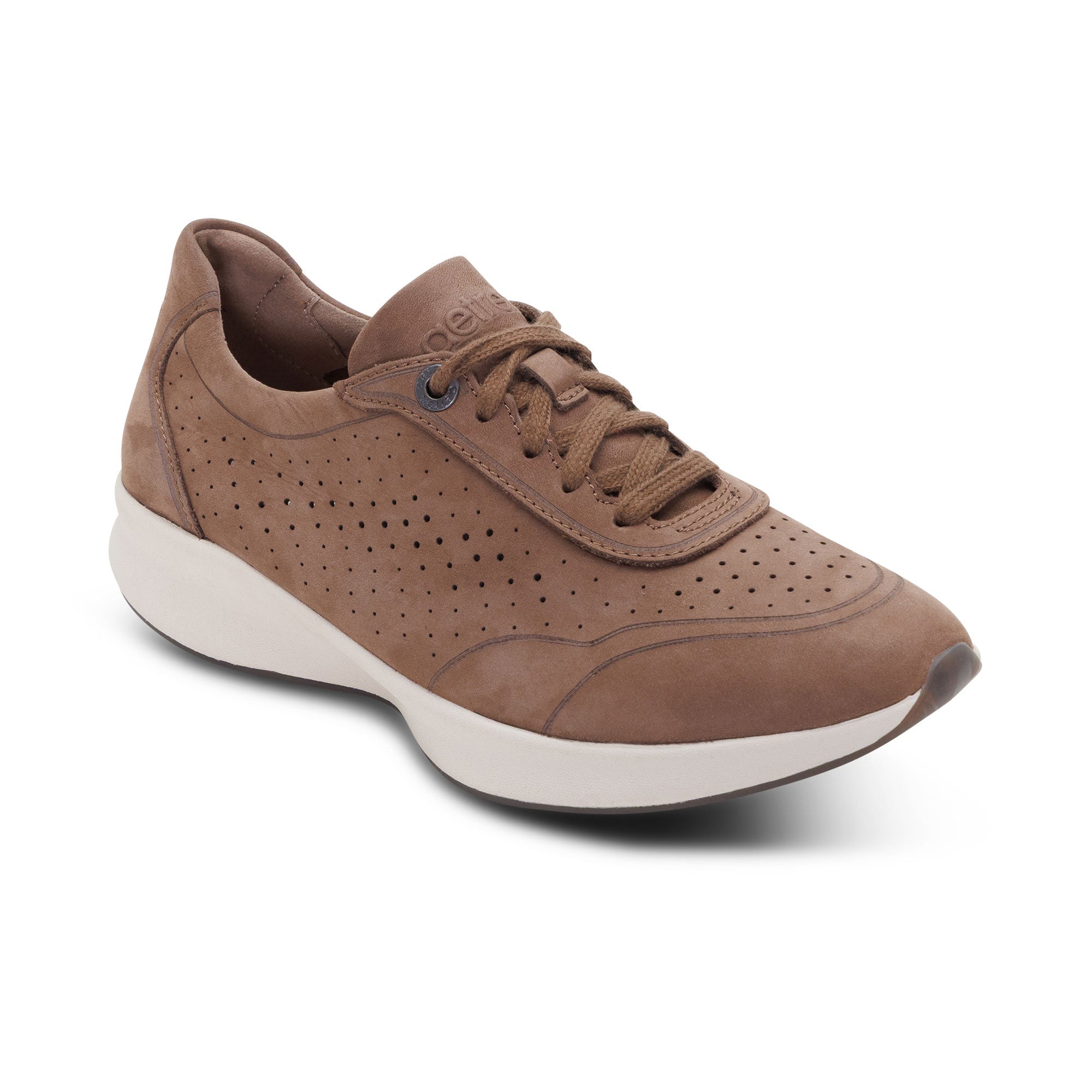
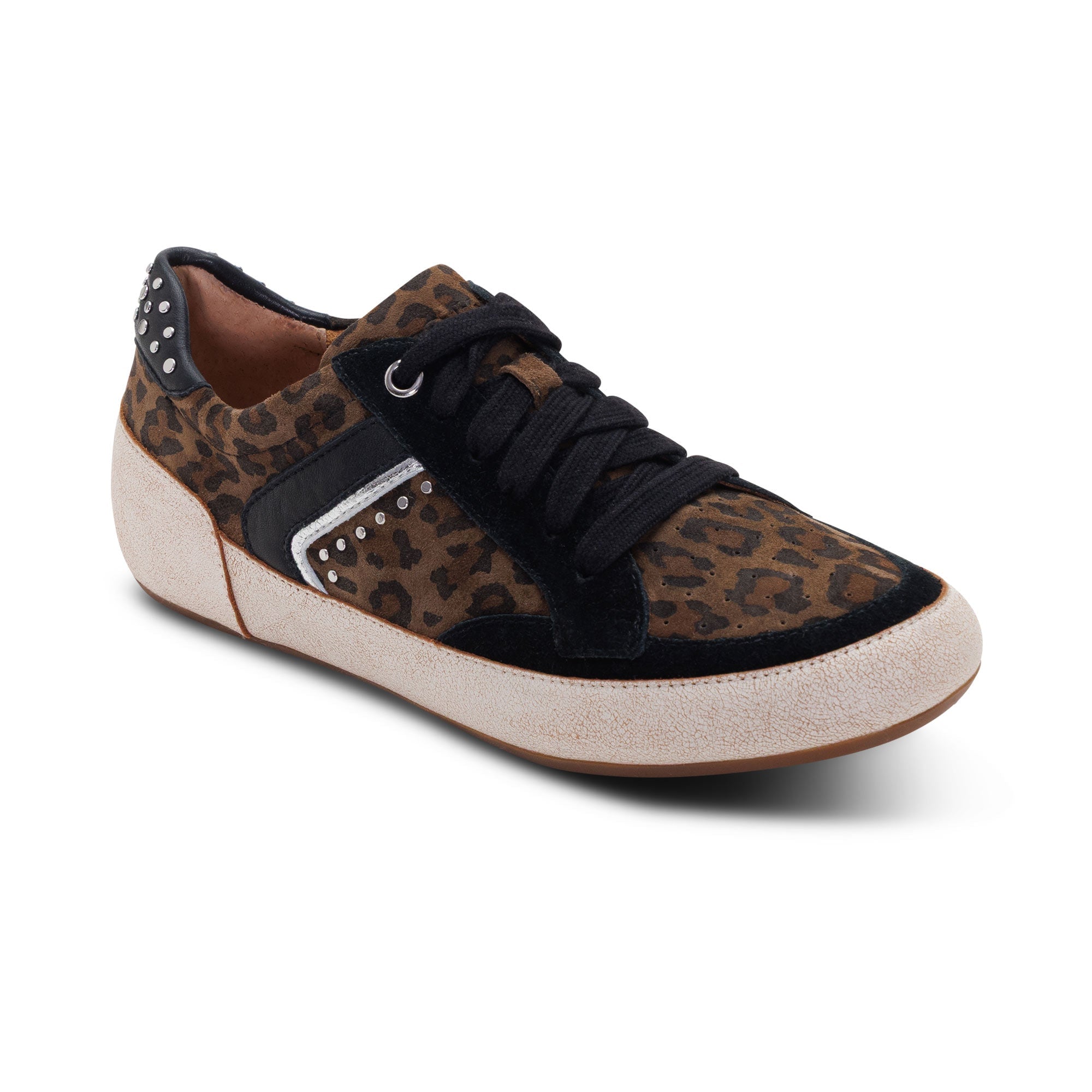
The Serena Arch Support Sneaker is the strongest match for shoppers who prioritize walking in a closed shoe. Aetrex lists BioRocker technology, lightweight UltraSky cushioning, a padded heel, a removable insole and Signature Arch Support. Those are concrete, relevant details for someone comparing daily sneakers, although they do not guarantee personal comfort or prove a clinical result.
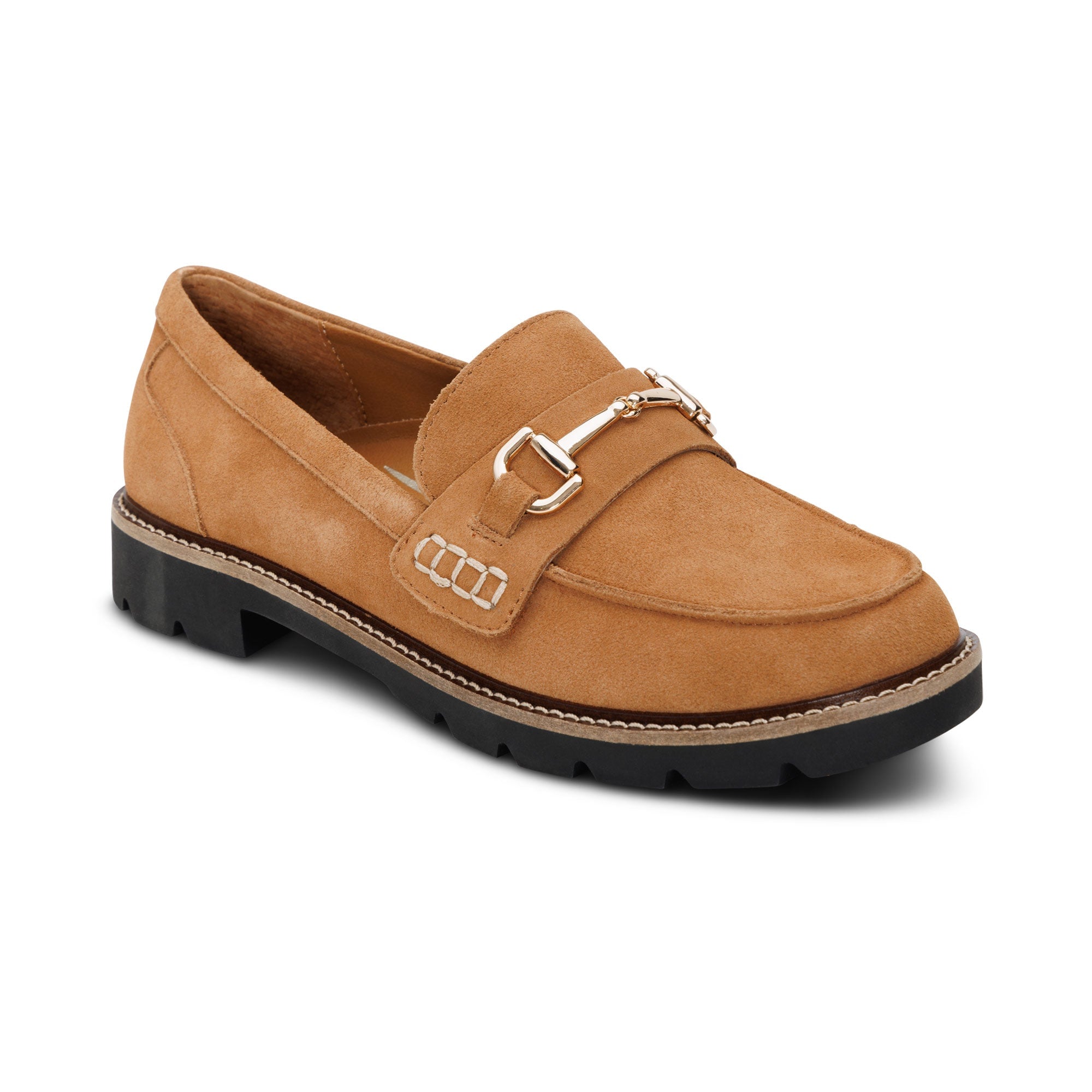
The Collette Arch Support Loafer is more useful for workwear and smart-casual dressing. The store describes a leather upper, an adjustable vamp, a metal shank and an EVA foam midsole. That combination suggests structure and adjustability, but the vamp and forefoot shape still need to be checked against your own foot. A loafer can look generous and feel restrictive if the opening does not suit you.
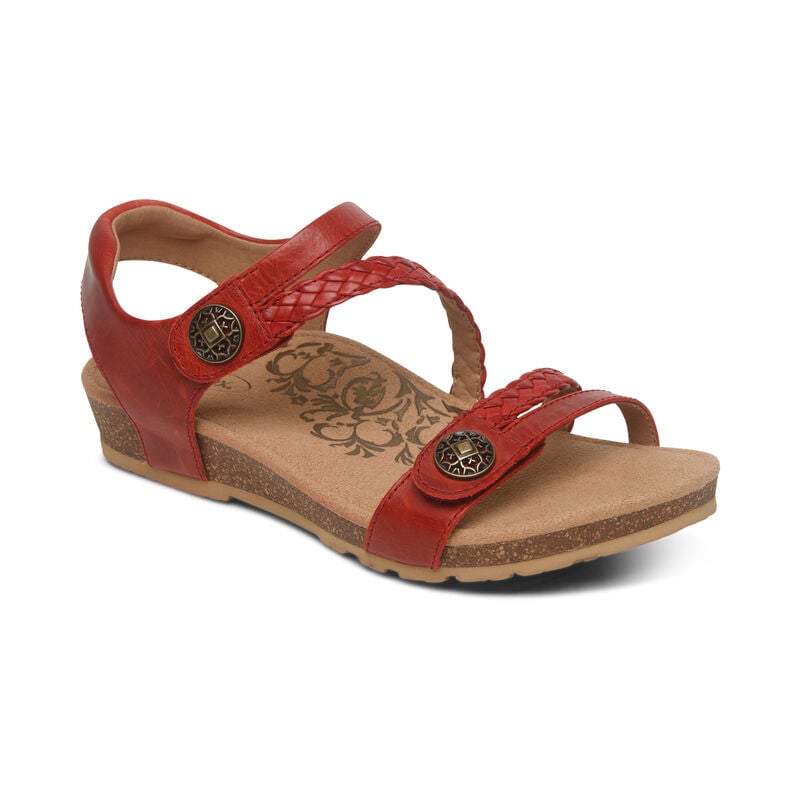
For warm-weather dressing, the Maria Studded Quarter Strap makes a different case. The product page lists a synthetic leather upper, memory foam, microfiber lining and a hook-and-loop quarter strap. The adjustable hold is useful where a fixed sandal strap would be too loose or too tight. The open construction is also the limitation: it is not a substitute for a closed walking shoe or a weather-focused option.
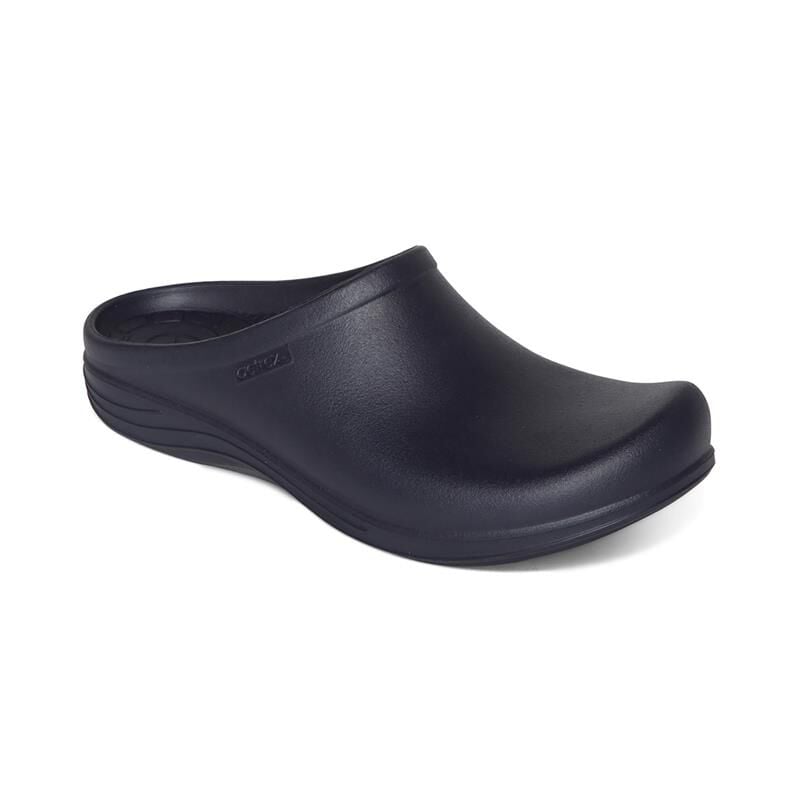
The Bondi Orthotic Clog is the most casual option in this sample. Aetrex describes injected UltraSky EVA, shock absorption, a soft foam toe-post design and its Orthotic System. Lightweight EVA may appeal to people wanting an easy warm-weather shoe, while the clog format remains less suitable for formal settings, wet-weather planning or activities that demand a highly secure upper. Compare Bondi with the live product details before deciding.
What the research supports, and what it does not
Aetrex’s own material supports several positive conclusions. The brand is consistent about integrating support into the construction, and it gives shoppers more useful product information than a vague comfort label. Across the four examples, we found named materials, closure details, cushioning systems and, in Serena‘s case, a removable insole.
- Well supported: the range has a coherent built-in support proposition.
- Useful for comparison: many pages identify the materials and construction choices behind that proposition.
- Broadly relevant: the offer spans dress, casual, walking and warm-weather categories.
- Still personal: arch height, width, heel hold and break-in tolerance cannot be predicted from brand language alone.
The scanning story is best read as a design input, not a personal fitting result. Aetrex says its footwear is developed using data from foot scans, but a population-level design process cannot tell us whether a particular last will suit one reader. That distinction keeps the review evidence-led: the features are verifiable on the store, while the outcome remains individual.
We would also avoid treating support as a medical promise. If you have persistent pain, swelling, a diagnosed condition or prescribed orthotics, a product description is not a replacement for professional guidance. Check compatibility carefully, particularly because some styles list removable insoles while others do not.
Who Aetrex is for, and where it may fall short
Aetrex makes most sense for shoppers who want to compare support features inside familiar wardrobe categories. The range is especially relevant if you are looking for a sneaker such as Serena for daily walking, a loafer such as Collette for work, or an adjustable sandal such as Maria for warm-weather outfits.
- Start with the activity and wardrobe role, not the broadest comfort claim.
- Compare the upper material, closure, footbed and insole status within that category.
- Use the live size information and read the current return terms before ordering.
- Keep expectations realistic: no single style covers every climate, activity or foot shape.
The main weakness is fit certainty. Aetrex gives shoppers a useful vocabulary, but readers still need to translate arch support and cushioning into their own width, volume and movement needs. Current cost also varies by style, material and construction, so the sensible comparison is between like-for-like products rather than the cheapest listing in the range.
Our verdict
Aetrex has a credible, coherent support proposition. The store backs it with named construction details, a broad range of categories and a technology story built around foot-scan data. Serena, Collette, Maria and Bondi show that the brand is not selling one shape to everyone.
Our honest limitation is that a strong product description cannot remove the uncertainty of personal fit. Aetrex is worth shortlisting if you want support features built into everyday footwear and are prepared to compare the exact style, insole and closure. It is less suitable if you need one universal shoe or a guaranteed answer to a medical footwear question.