


If you are trying to turn a free Saturday into an actual plan, the hard part is often not finding inspiration. It is comparing dates, prices, availability and travel details without opening fifteen tabs. We reviewed Lovetovisit as a discovery and booking platform based on its UK product pages, including attraction pages and ticket descriptions. Our verdict is positive, with one important caveat: this is a marketplace, so the quality of the experience still depends on the individual attraction or tour operator.
The platform covers theme parks, zoos, theatre, museums, tours and live events across the UK. It also shows real-time availability on many listings, which makes it more useful than a static inspiration directory. You can begin with a destination, an interest or a deal, then follow the booking flow through Lovetovisit’s current ticket selection, family days out, or things to do indoors.
When you shop through the links in this article, the retailer may pay us a commission. Your price stays the same.

Review criteria
A ticket site earns its place in a browser when it reduces friction, makes the offer understandable and gives visitors enough information to make a sensible choice. We judged Lovetovisit against four practical criteria:
- How broad and varied is the choice?
- Are prices and savings clear on the listing?
- Can a family or couple compare different types of day out quickly?
- Does the page explain the experience, not just sell admission?
On the evidence available, the first two are clear strengths. The catalogue mixes recognisable names with smaller experiences, while pages usually show a starting price, availability window and a useful summary. The website also advertises no membership fee, so browsing does not require another monthly commitment. That is a meaningful plus if you only book occasional outings.
The trade-off is that “from” pricing needs attention. A low headline price may apply to a particular date, ticket type or promotional period. Select the date and read the inclusions before assuming the displayed figure is the final price for everyone in your group.
Listing examples
The most convincing way to assess a marketplace is to look at specific listings. The The London Dungeon: Standard Entry Ticket offers a roughly 90-minute journey through dark London history, with interactive shows, live actors, themed sets and a scare ride. My practical note is that it is recommended for ages 12 and over, and children under five are not admitted. This is a good example of a page giving enough context to avoid booking the wrong kind of family day.
For a gentler option, the SEA LIFE London: Deluxe Entry Ticket adds anytime entry, a guidebook, a mission pack and an immersive VR experience. Standard entry is also available, so the upgrade only makes sense if the extras and flexibility matter to your group. The useful comparison is already visible within the attraction’s range, rather than being hidden behind a separate search. You can also check SEA LIFE standard entry, anytime entry, and the deluxe ticket details side by side.

Then there is the The London Eye: Fast Track Tickets. The value proposition is not a cheaper attraction so much as time: priority access can be worthwhile on a packed London itinerary. If you are visiting at a quiet time, the standard or champagne options may suit better, so compare the London Eye ticket types, Fast Track availability, and the Champagne Experience before committing.
Finally, the From London: The Cotswolds Guided Day Tour visits Burford and Bourton-on-the-Water by luxury bus, making it a completely different proposition from a central attraction. That breadth is the strongest argument for Lovetovisit: the same search space can cover a two-hour indoor activity, a major viewpoint and a full-day countryside tour. For alternatives, browse guided day tours from London and outdoor experiences, then compare departure times.
Useful features
There is a lot of marketing language around “discovery”, but several practical features stand up to scrutiny:
- One broad catalogue: attractions, food and drink, theatre, sport, tours and seasonal events sit in one place.
- Deal visibility: selected listings show a before-and-after price or a named saving.
- Useful filters: browsing by location, category and indoor or outdoor activity helps narrow a large range.
- Gift cards: digital gift cards can be sent to an inbox, which is handy for a last-minute present.
- Editorial context: guides and destination articles help when you know the mood but not the exact attraction.
The real-time element is especially valuable for popular experiences. It does not guarantee that every preferred slot will be available, but it is better than planning around a ticket that turns out to be sold out. The app is another route into the same ecosystem, although the website’s detailed descriptions can be compared on a larger screen.

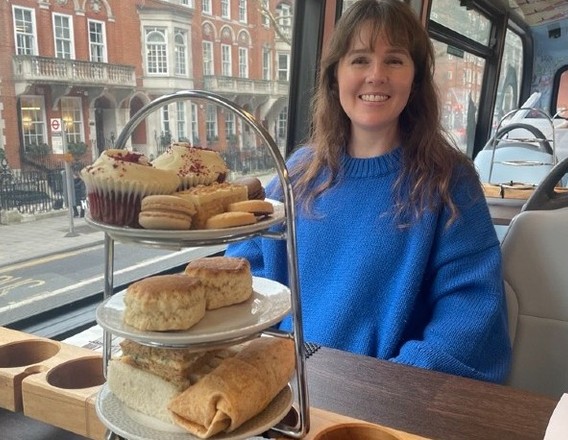
That time-saving logic is not limited to landmark attractions. Lovetovisit also lists experiences designed around a particular mood, which is where browsing by category becomes more valuable than searching by venue name.
Booking care
No review should treat a marketplace price as the whole story. A few checks are essential before payment:
- Confirm the exact date, entry time and ticket type.
- Check age rules, accessibility notes and any height restrictions.
- Compare the included extras with the standard option.
- Read the cancellation or amendment terms before booking.
- Work out transport and walking time separately, especially for day tours.
There is also a subtle comparison problem. A bundle may look spectacularly cheap, but it only represents good value if you genuinely want to visit every included attraction. A flexible ticket can cost more than a dated one, while a premium package may be aimed at a special occasion rather than a budget day. Use the attraction pages on Lovetovisit, then compare the final options against booking direct if the price difference is small.
The platform’s descriptions are informative, but they are not a substitute for checking operational details with the venue when your needs are specific. This matters for wheelchair reservations, venue closures, travel disruptions and accessibility arrangements. The site can make discovery and purchasing easier; it cannot remove the responsibility to check the conditions of the experience you are buying.
Where we land
For a straightforward booking, Lovetovisit is strongest as a comparison layer. It gives you more imaginative options than a normal attraction search, surfaces deals and makes it easy to move from “we should do something” to a bookable plan. The London Dungeon and SEA LIFE examples also show that the marketplace can serve different ages and weather conditions, while the London Eye and Cotswolds tour demonstrate the range beyond family attractions.
The main reason to use it is convenience, with price discovery as a close second. Be more cautious when the booking has unusual requirements or when a bundle includes activities you would not otherwise choose. In those situations, read every line and compare the final total, not just the promotional headline.

Best fit for Lovetovisit
We recommend Lovetovisit to anyone planning a UK day out who wants breadth, especially families, couples building a weekend itinerary and gift shoppers who need an experience rather than another physical present. It is also useful when weather changes your plan: indoor aquarium tickets can sit beside outdoor tours and theatre listings in the same search.
Skip the marketplace only if you already know the exact venue and the direct booking route is clearly better for your date or requirements. For everyone else, the low-friction browsing, live availability and visible offers make it worth checking. Start with the current Lovetovisit deals, shortlist two or three experiences, and then inspect the details before paying.
Final verdict: a genuinely useful UK experience marketplace, provided you treat “from” prices as a starting point and read the ticket conditions. The range is the star, the discounts can be worthwhile, and the booking process is most compelling when you are still deciding what kind of day out you want.