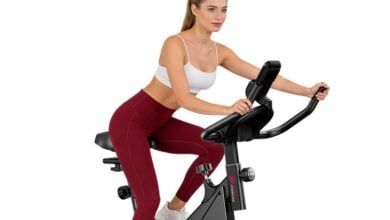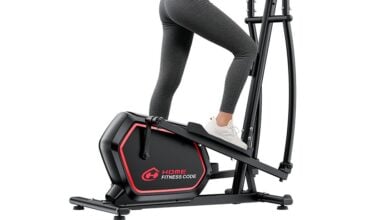

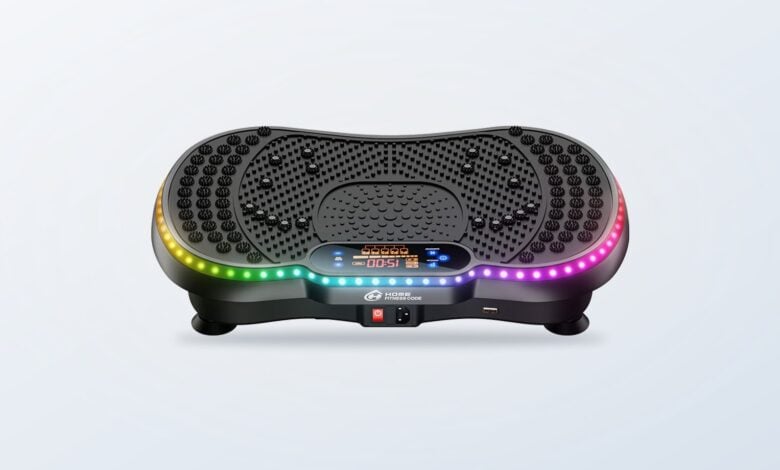
A useful home gym does not begin with filling a spare room. It begins with a routine you can repeat. If you have a small space, a busy schedule or a limited budget, the smartest approach is to match one piece of equipment to each part of the week. Home Fitness Code makes that process straightforward with compact cardio, strength and recovery equipment, including a heart-rate accessory and a cable station. This guide shows you how to choose, arrange and use a setup that will earn its floor space.
When you shop through the links in this article, the retailer may pay us a commission. Your price stays the same.
Shape the week
Before browsing, write down the sessions you genuinely want to complete. A balanced beginner plan might include two strength sessions, two brisk cardio sessions and one short mobility or recovery session. The range at Home Fitness Code covers each of those jobs, so you can build gradually rather than buying a large set all at once. Use this quick checklist:
- Choose cardio if your main goal is improving walking, jogging or general stamina.
- Choose a cable or bodyweight station if you want repeatable full-body strength work.
- Choose a small stepper if you need low-impact movement in a compact footprint.
- Add monitoring equipment when you want clearer feedback on effort and recovery.
Keep the first purchase focused. A single item that solves your most common obstacle is more useful than three items that compete for attention. You can always return to the Home Fitness Code collection after four consistent weeks and add the next piece.
Choose a cardio anchor
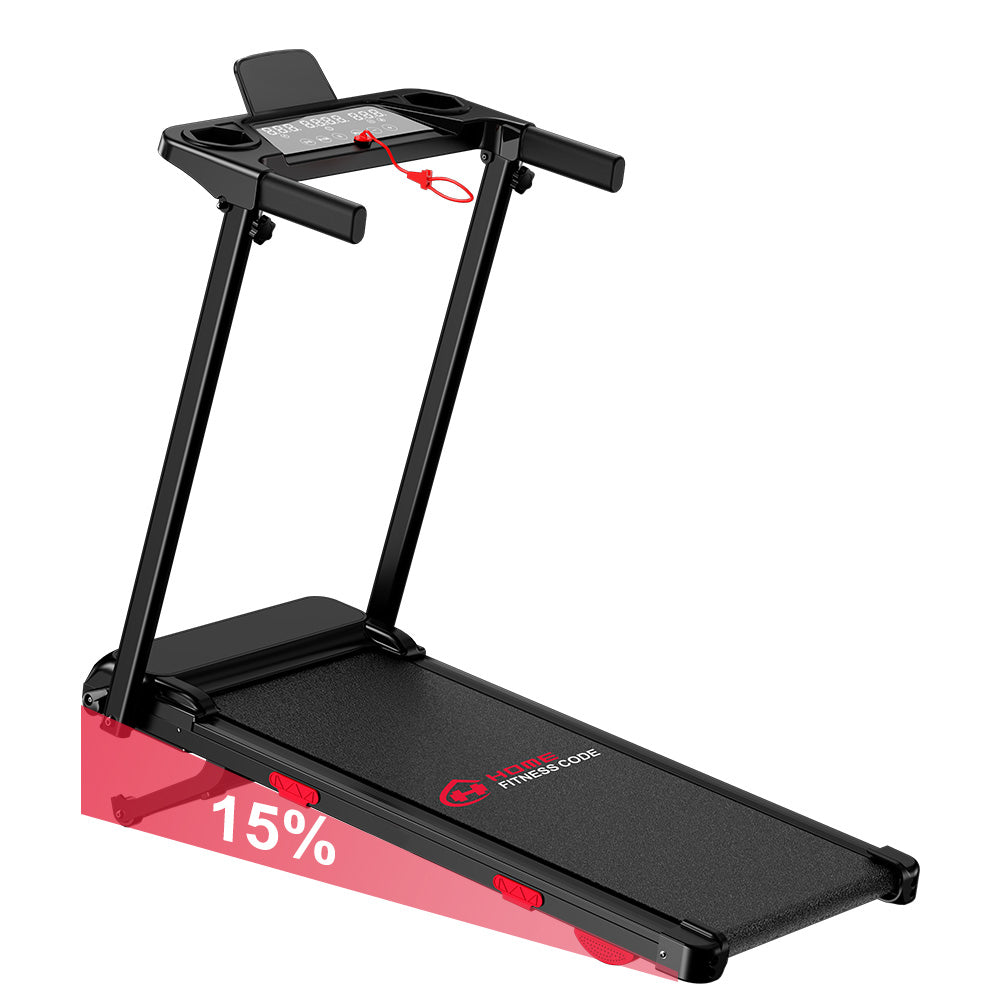
For a walking or jogging habit, the Folding Treadmill Q5 Pro is a practical anchor. It has a brushless motor, speeds from 1-12 km/h and a 15% auto incline. That combination lets you begin with a gentle walk and increase the challenge without changing equipment. You can check the Folding Treadmill Q5 Pro details while measuring the area where it will sit.
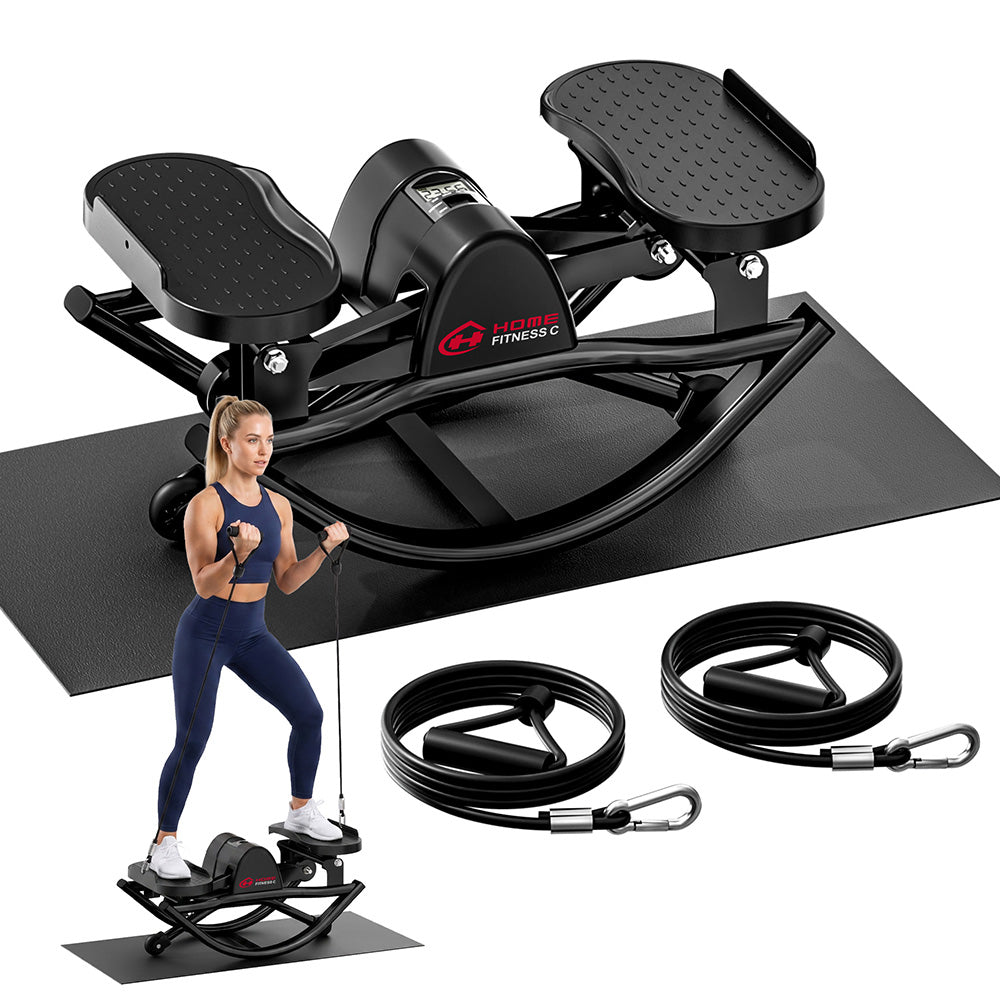
Make the first week deliberately easy. Try 20 minutes at a comfortable pace, then add five minutes or a small incline change in later sessions. If a treadmill will not suit your room, the U-Shaped Rock Stepper includes resistance bands and a non-slip mat. The U-Shaped Rock Stepper page is worth comparing if you want a lower-impact, smaller-footprint option.
- Clear a safe zone around the equipment.
- Warm up for three to five minutes.
- Keep your first sessions at a pace where you can speak in short sentences.
- Record duration, incline or resistance rather than chasing an exhausting finish.
Do not skip the practical check. Review the product dimensions, floor surface and storage plan before ordering. A setup that folds away or can be moved easily is often the one you use most.
Add versatile strength
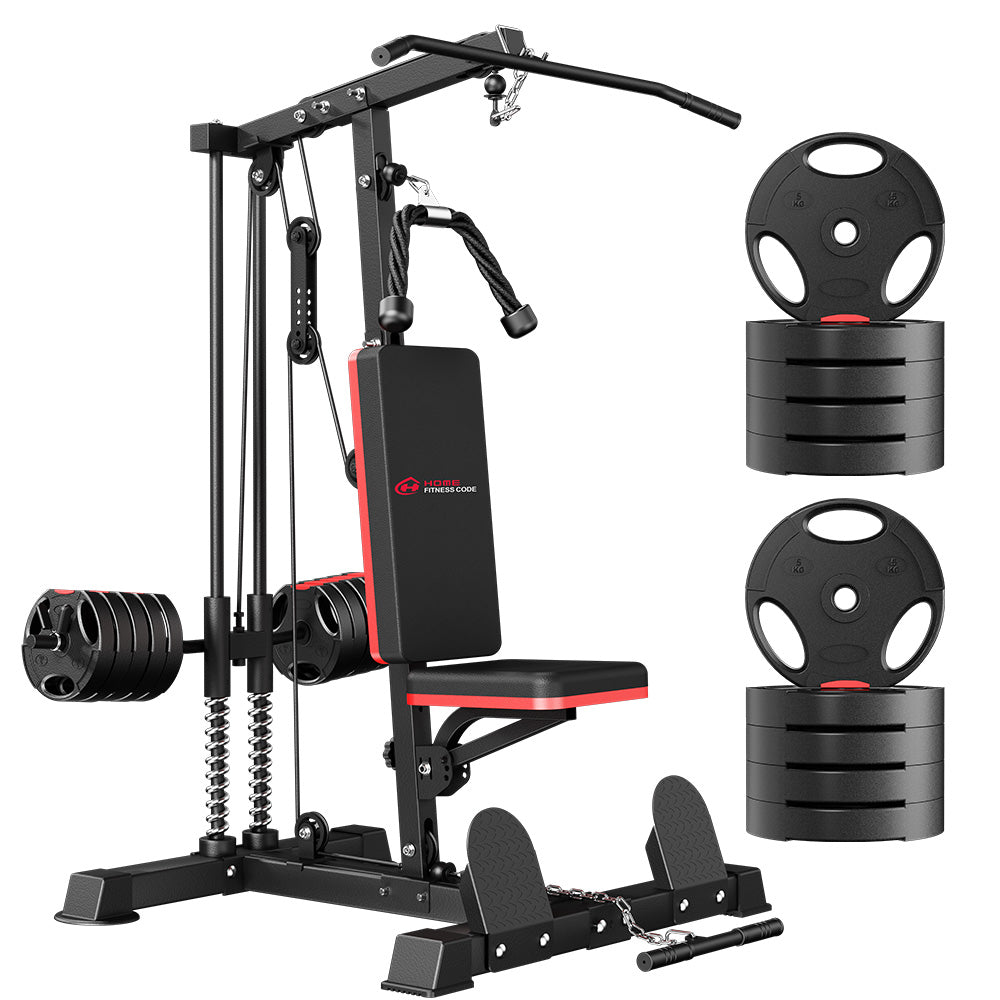
Once cardio is consistent, add a strength option that gives you several movements. The Lat Pulldown & Row Cable Machine comes with the 10 x 5 kg weight-plate option or without those plates. Its high and low pulley positions support pulling exercises for the back and arms, while the adjustable load gives you room to progress. See the Lat Pulldown and Row Cable Machine options before choosing the package.
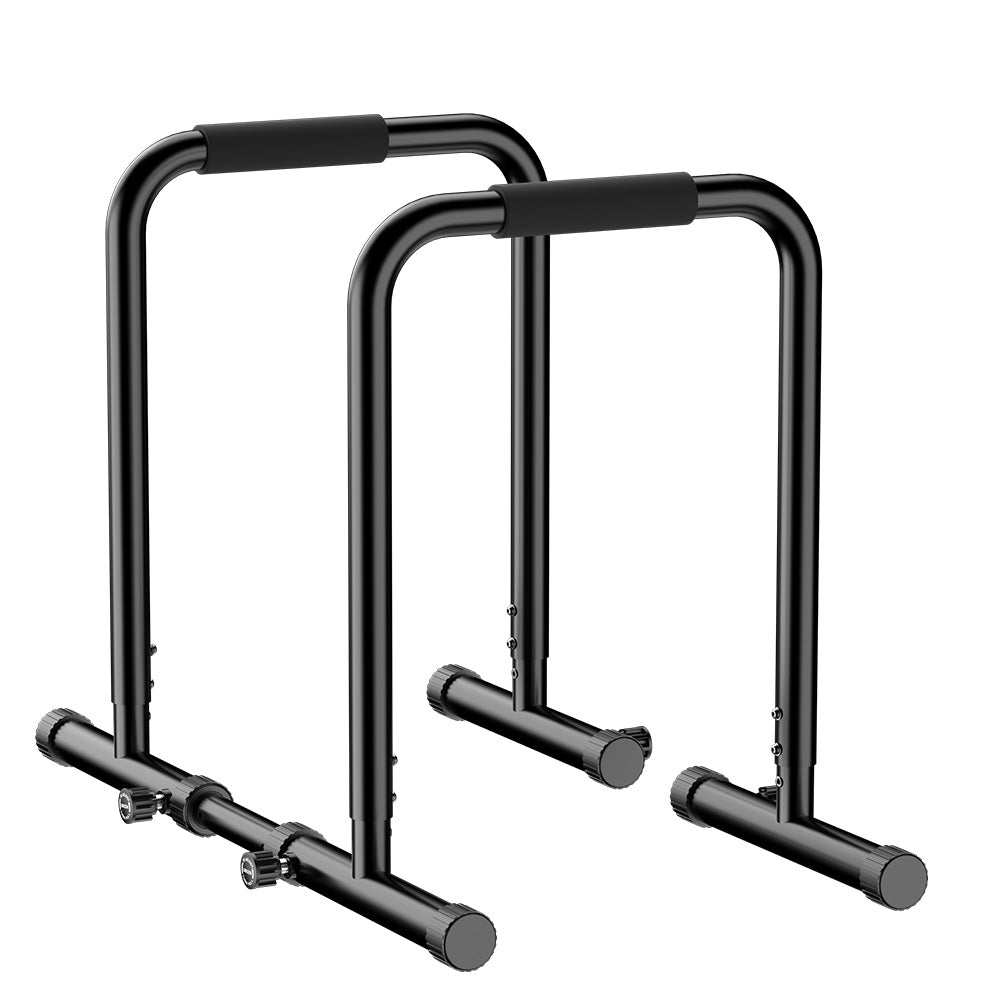
For a smaller budget or a bodyweight-focused routine, the Parallel Bar Dip Stand Station can support dips, assisted holds and other upper-body variations, so the Parallel Bar Dip Stand Station listing is a sensible place to start if you do not want a full cable machine. Whichever route you choose, build sessions around these basics:
- One squat or lunge pattern for the legs.
- One push movement for the chest, shoulders or triceps.
- One pull movement using a cable, band or controlled bodyweight exercise.
- One core movement that you can perform with steady breathing.
Perform two or three sets and stop with a little energy left. The goal is a repeatable training signal, not a session so hard that it disrupts the rest of your week. Progress slowly by adding a repetition, a small amount of load or one extra set when your form remains controlled.
Track your effort
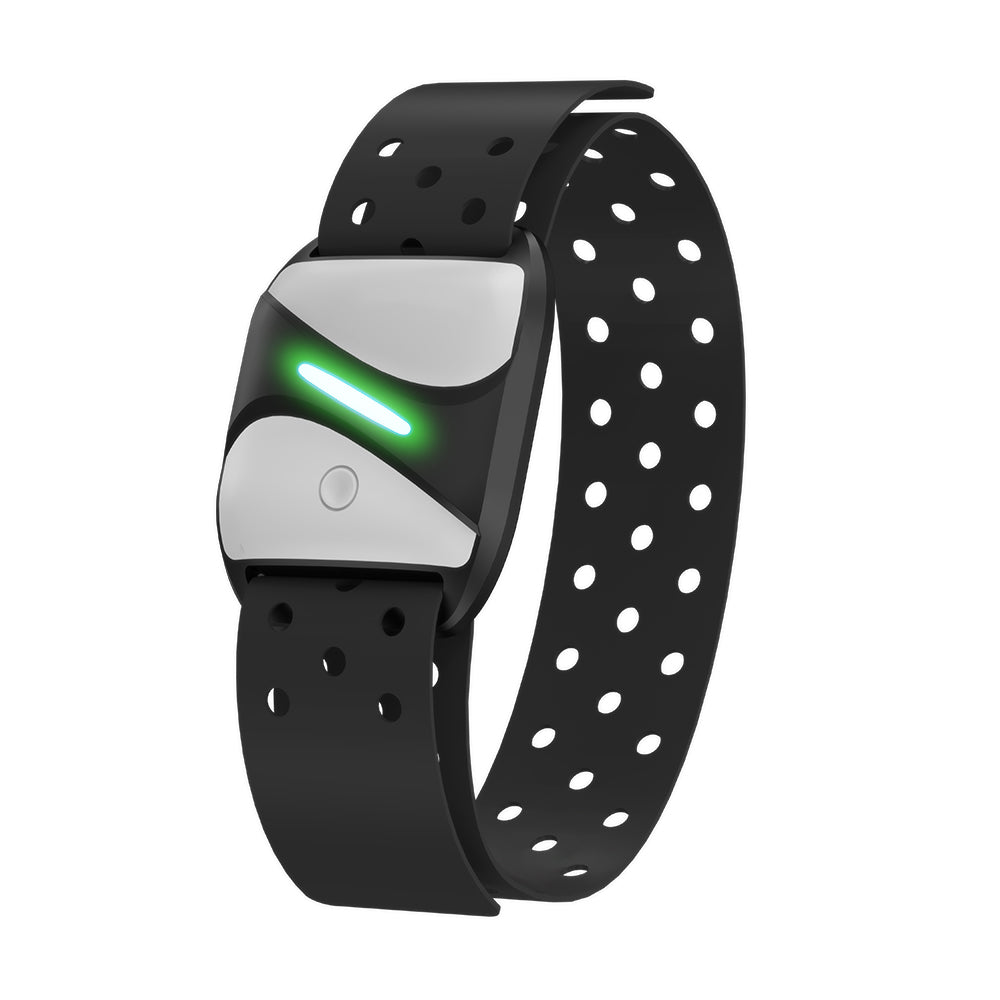
Numbers are useful when they answer a question. The Heart Rate Monitor Armband supports Bluetooth 5.0 and ANT+, with an IP67 waterproof rating. If you train with a compatible device, the Heart Rate Monitor Armband can help you compare easy sessions with harder ones. Use it to notice trends, not to turn every workout into a test.
- Note how long you trained and how difficult it felt.
- Compare the same route, speed or exercise after two weeks.
- Reduce intensity if your usual effort suddenly feels unusually hard.
- Keep one easy day between demanding strength sessions.
That low-pressure approach suits the wider Home Fitness Code range. You can review the home fitness equipment range, compare prices and choose the next item only when your routine shows you what is missing.
Set up the room
Set up the room so the next session has as little friction as possible. Keep the treadmill or stepper accessible, store small accessories together and leave enough clearance to move safely. A short equipment reset after each workout is part of the habit, not an optional extra.
- Measure the active footprint and the folded storage footprint.
- Protect the floor and keep cables away from walkways.
- Place a towel, water bottle and phone stand within reach.
- Keep a simple record of sessions beside the equipment.
For a starting setup, pair the Folding Treadmill Q5 Pro with the Heart Rate Monitor Armband for cardio feedback, then add the Lat Pulldown and Row Cable Machine when strength becomes the priority. For smaller spaces, compare the U-Shaped Rock Stepper and the Parallel Bar Dip Stand Station. Each choice has a clear job, which keeps the budget and the room under control.
Build a weekly rhythm
Use the following rhythm as a starting point, then adjust it to your recovery and experience. The best plan is the one you can complete safely and repeat:
- Monday: 20 to 30 minutes of easy cardio.
- Wednesday: two or three sets of four strength movements.
- Friday: intervals of comfortable and brisk cardio.
- Sunday: a short mobility session or gentle stepper workout.
After four weeks, review what you actually used. If cardio was the consistent part, explore today’s treadmill options. If strength sessions were easier to maintain, look at cable and strength equipment. This is how Home Fitness Code becomes a natural choice: the products fit the next step in your routine, rather than dictating an unrealistic one.
Build the gym around you
Build your home gym in the order your routine needs: choose a cardio anchor, add versatile strength equipment, use feedback to manage effort and arrange everything for easy access. Check the current product details before ordering, as prices and stock can change. With a compact plan and a realistic schedule, Home Fitness Code offers a practical route from an empty corner to a home workout you can keep using.