

Choosing a dahlia means matching its flower form, colour and eventual height to your space. DutchGrown™ lists named varieties separately, making individual plants easier to compare. This guide uses UK product information; we have not grown or tested these plants.
We compare named varieties with a mixed planting, focusing on flower form, colour and garden role. Check each UK listing for current availability and growing guidance.
When you shop through the links in this article, the retailer may pay us a commission. Your price stays the same.
Key facts
- Dahlia Zippity Do Da has pompon blooms around 5 cm wide, in lilac-pink to candy-pink shades.
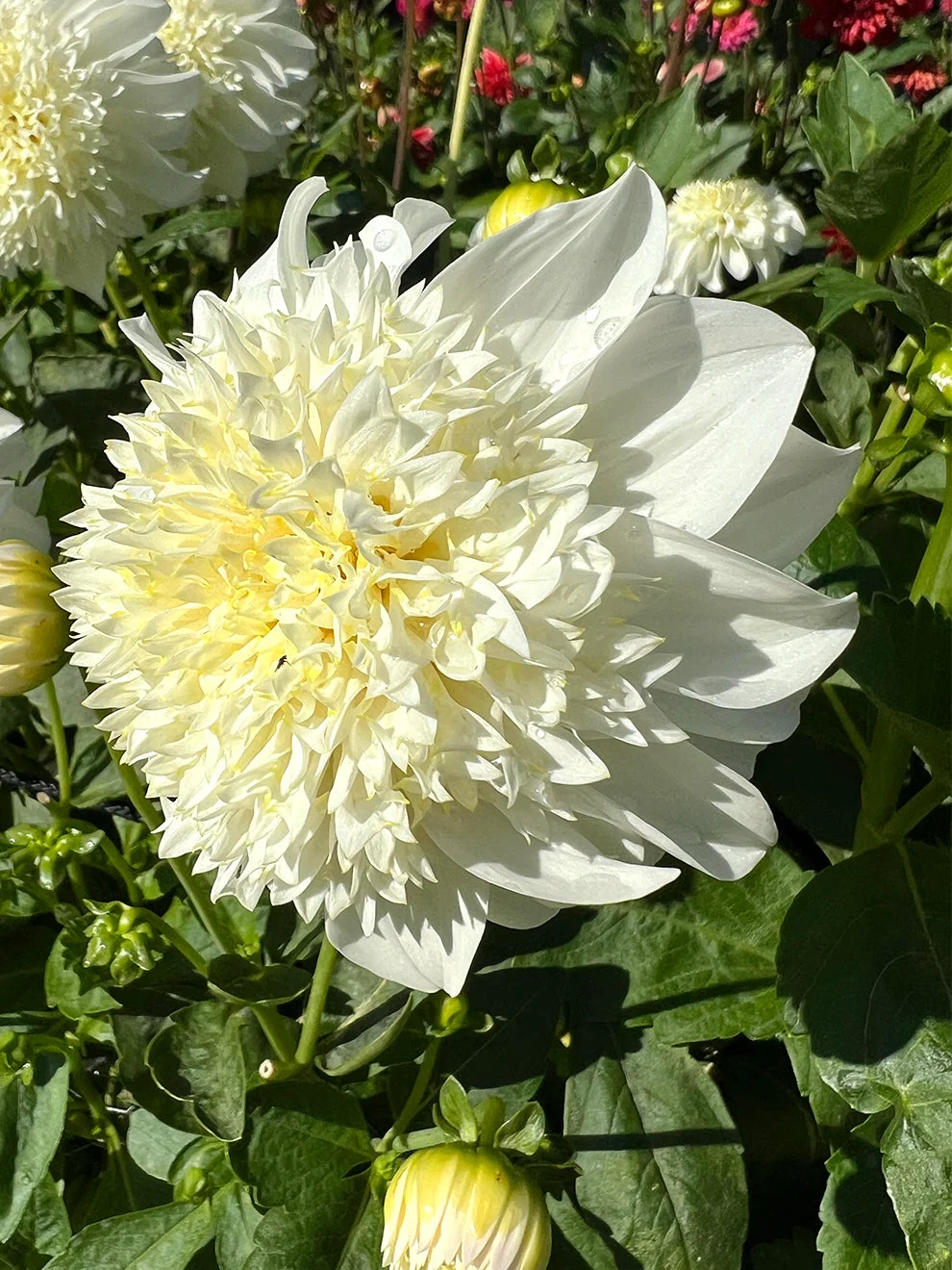
- Dahlia Zingaro has double blooms around 10-15 cm wide; Dahlia Zahra has an ivory ring and a cream-yellow centre.
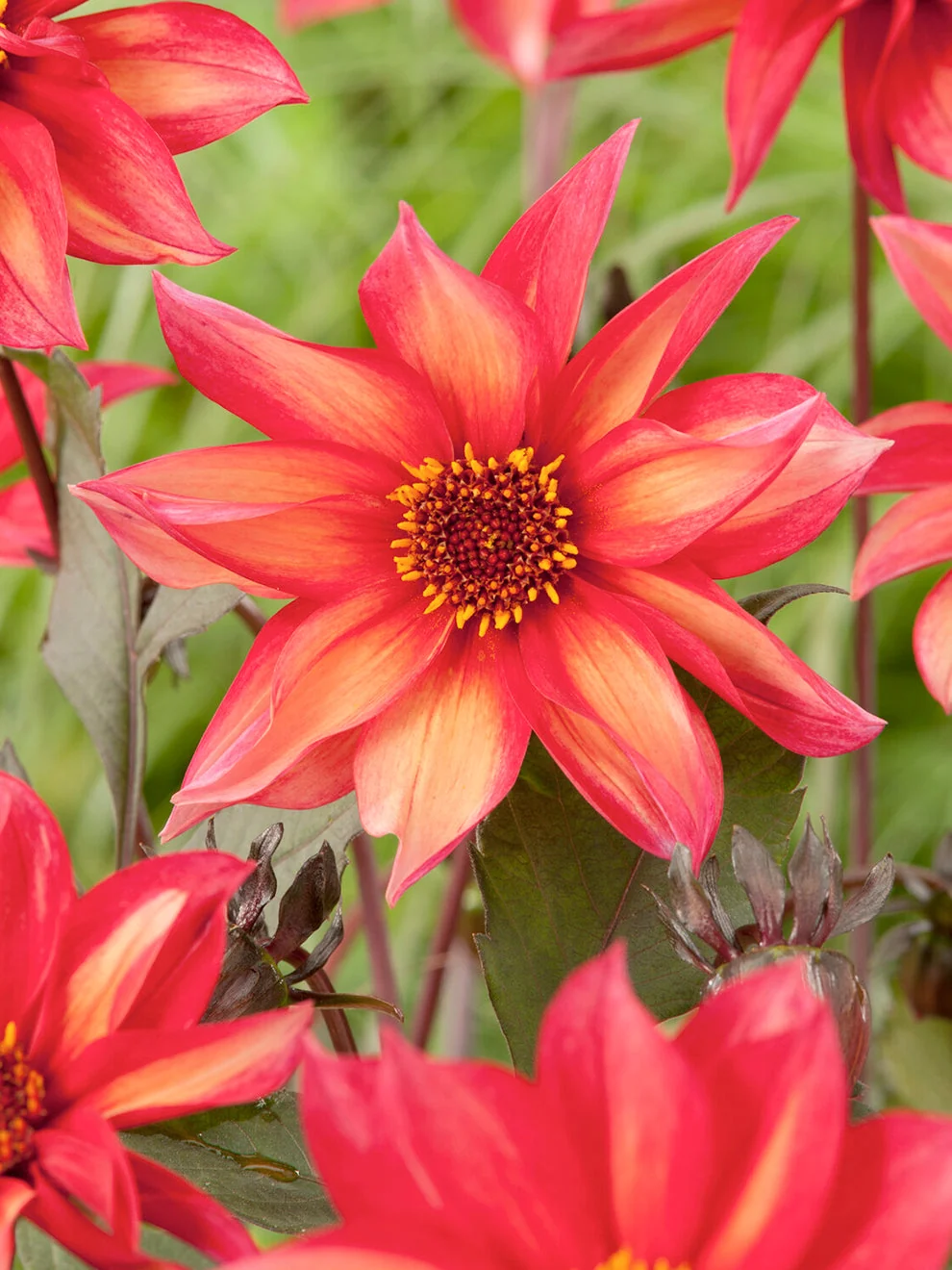
- Dahlia Waltzing Mathilda is a single flower with warm sunset shades and dark foliage.
- The UK store sells named varieties individually; compare the current listing details before ordering.
Compare the choices
The table gives a quick shortlist, not a guarantee of final size or flowering behaviour. Use the product pages for the current description, supplied form and cultivation notes. Each linked variety points to its product listing on the UK store.
| Variety | Garden role | What stands out |
|---|---|---|
| Dahlia Zippity Do Da | Lower planting | Pompon blooms about 5 cm across; lilac-pink to candy-pink tones |
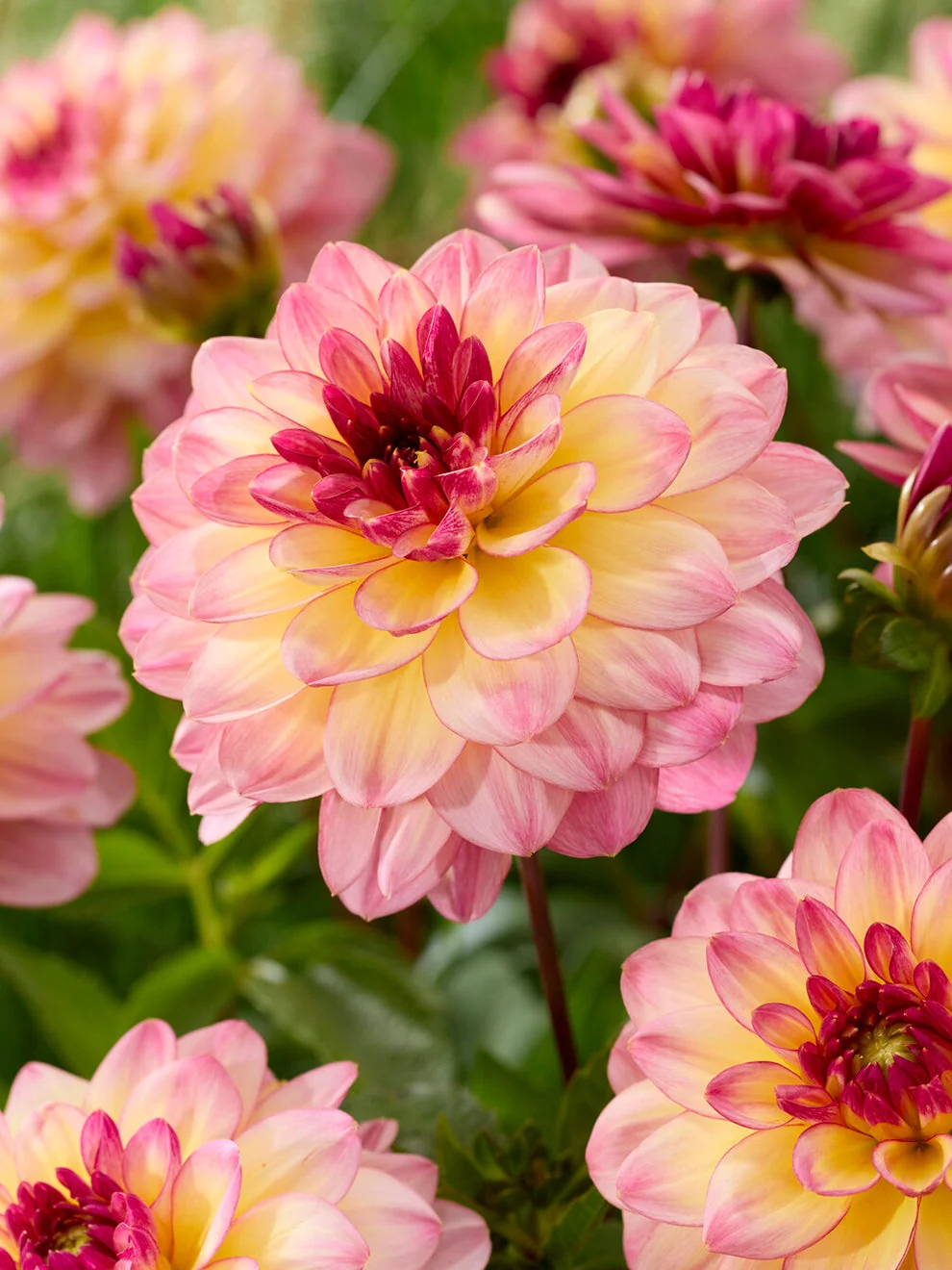
| Dahlia Zingaro | Mixed border | Double blooms about 10-15 cm across; pale yellow with lilac-pink edging |
| Dahlia Zahra | Colour grouping | Anemone form; ivory petals and a cream to buttery-yellow centre |
| Dahlia Waltzing Mathilda | Focal point | Single flowers in sunset shades, with dark bronze-purple foliage |
Named varieties give more control over a colour plan than a mixed packet. A mix is simpler when experimentation matters more than a precise palette; individual plants are easier to place when a border already has a scheme. The trade-off is more upfront selection.
The store also lists Dahlia Sweet Suzanne and Dahlia Sweet Sanne for gardeners who want to widen the shortlist.
- Best for a fine-textured flower: Dahlia Zippity Do Da.
- Best for a rounded, larger bloom: Dahlia Zingaro.
- Best for a layered, anemone-style flower: Dahlia Zahra.
- Best for open single flowers and contrasting foliage: Dahlia Waltzing Mathilda.
For a compact space
Dahlia Zippity Do Da earns its place on a shortlist through flower scale, not a claim about plant height: the listing describes tightly packed double pompon blooms around 5 cm across, in lilac-pink to candy-pink tones. That smaller flower size can give a planting a finer texture than a dahlia with broad decorative blooms. The page does not establish a compact mature habit, so check its height and spread before choosing it for a tight bed or pot.
A pot also changes the comparison with a standard border dahlia. It makes placement and seasonal rearrangement easier, but the container needs suitable drainage and regular attention to watering. A ground-planted dahlia can be more integrated into a border, while a pot lets you position the flower where it can be seen. For either approach, follow the store’s current growing advice for the exact variety.
For a mixed border
Dahlia Zingaro and Dahlia Zahra make a useful contrast in flower form and palette: Zingaro is listed with double, rounded flowers around 10-15 cm wide and pale yellow petals edged in lilac-pink; Zahra is an anemone type with ivory outer petals and a raised cream-yellow centre. A named variety helps you coordinate a colour story with nearby planting, while a mixed packet can bring variation without requiring you to select every component. The trade-off is that a named selection asks you to make the design decision up front.
If you are comparing these with other perennials, consider flowering time, mature spread and the amount of open space around each plant. The listed varieties describe summer flowering, with some listings specifying a display from midsummer until the first frosts. That seasonal window should be checked against the exact variety page, and does not replace foliage or structure from other plants. Combine them with plants that provide foliage, height or interest at other points in the year. Check the listings for the specific details DutchGrown™ provides, then plan around those rather than relying on broad assumptions.
- Choose one or two varieties that support the border’s existing palette.
- Check the described height and spread before setting spacing.
- Pair seasonal flowers with plants that carry the bed outside the dahlia display.
- Keep a mixed packet in mind when variety matters more than exact colour control.
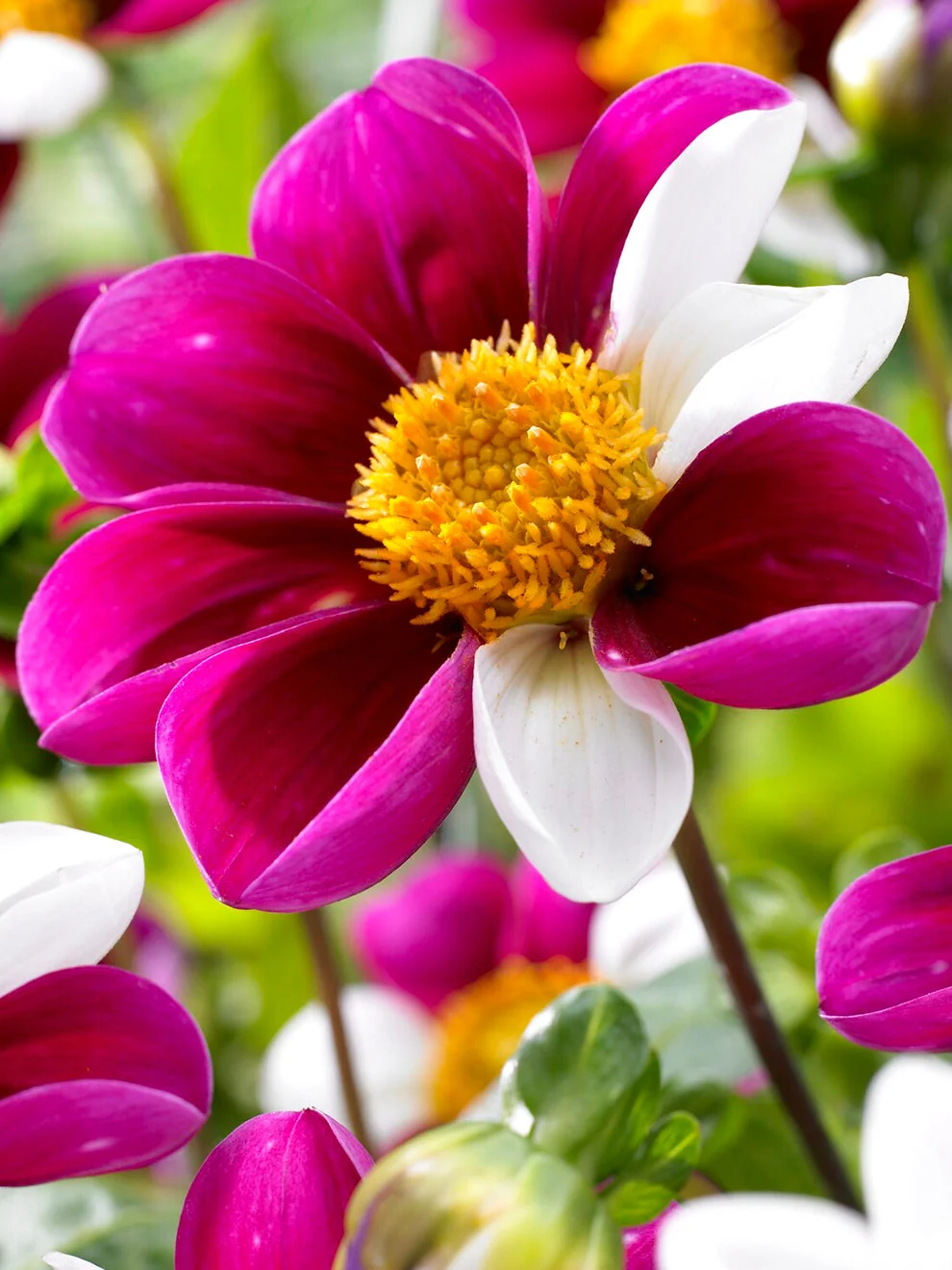
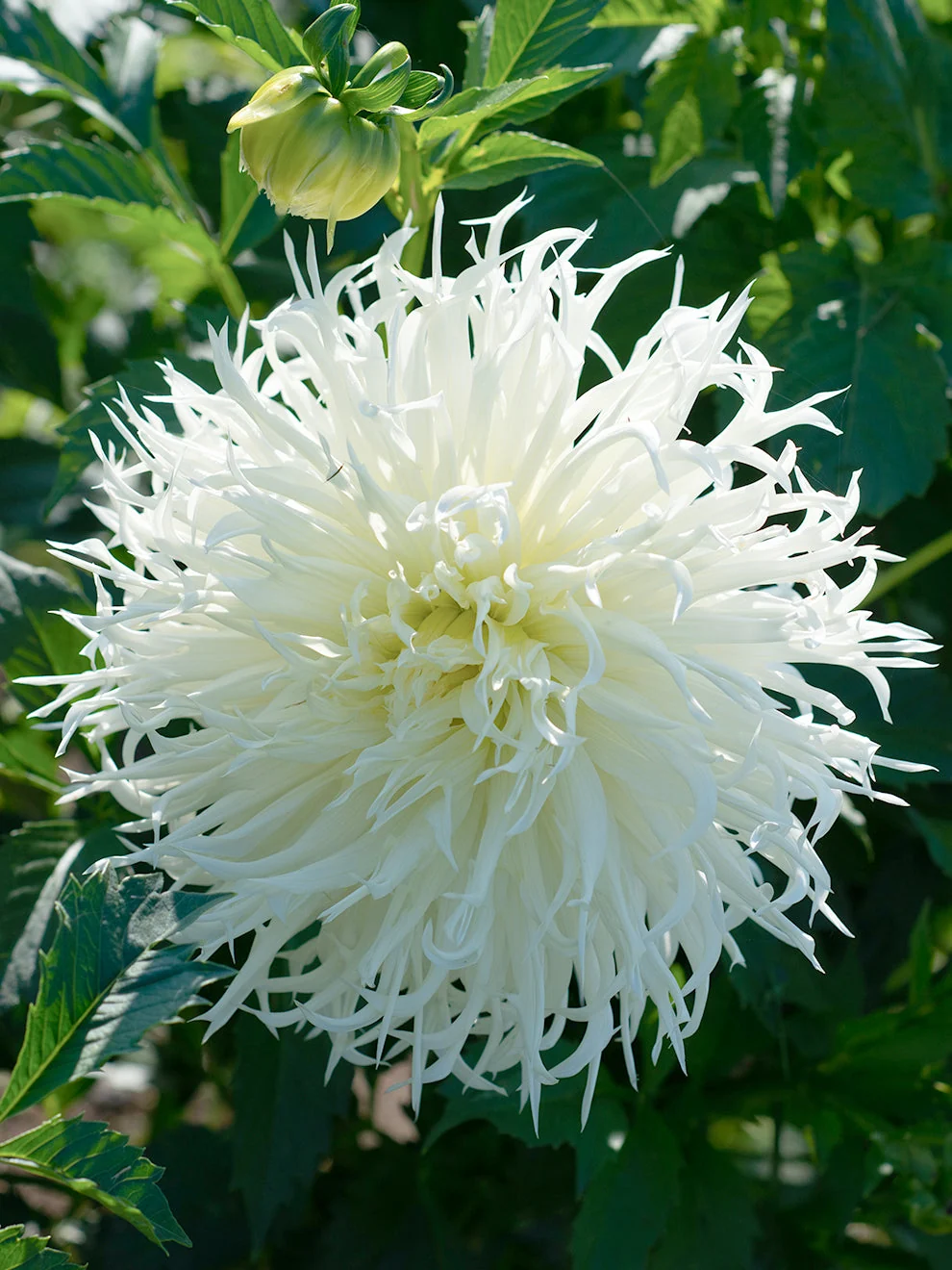
A useful side-by-side check is Dahlia Tsuki-Yori-No-Shisha against Dahlia Twyning’s Smartie: compare their product images and descriptions, then decide which one gives the border the contrast it lacks.
For a focal flower
Dahlia Waltzing Mathilda offers a different silhouette: the store describes a single ring of petals around an open golden centre, warm peach, coral, apricot and pink shades, and dark bronze to deep-purple foliage. That contrast between flower and foliage gives it a clear role in a planting plan without requiring us to call it a universal focal winner. The limitation is inherent in that role: if every plant is selected to command attention, the border can feel busy rather than composed.
For contrast, compare Dahlia Twyning’s Smartie and Dahlia Tsuki-Yori-No-Shisha: one is described as a variable-colour single, the other as a white spider form. Choose one focal variety, then build around it.
Alternatives and upkeep
A mixed dahlia selection is the closest alternative if you want a varied display and are comfortable with less control over the exact composition. Other perennial flowers can be a better choice if your priority is year-round structure, a different seasonal window or less seasonal lifting and storage. DutchGrown™’s wider perennial range gives gardeners options beyond dahlias, but this comparison stays with individual flower choices that can be evaluated on their own listings.
Dahlias need a little more planning than a product image can convey. DutchGrown™’s individual descriptions include variety-specific flower forms and seasonal notes, but plant size, supplied form and care instructions still need checking on each listing. Conditions, local weather and the variety’s own growing notes matter. Before choosing, look for the supplied form, planting instructions, sun requirements and any storage guidance on the UK page. If these details are not clear, contact the retailer or choose a plant whose needs are better documented for your site.
- Read the variety’s own listing, especially supplied form and planting notes.
- Match the site to the stated light and soil requirements.
- Leave room for mature growth instead of spacing by the image alone.
- Plan for any seasonal care that the product page recommends.
Ordering and selection
The UK store’s product pages are the right place to confirm availability and the details that influence value, such as pack size, plant form and shipping context. Those details may differ between listings and can change over time, so we are not quoting prices here. Compare like with like: a single tuber and a more established plant are not equivalent purchases even if the flower name is similar.
If you want a coordinated group, start with a focal variety and then decide whether to repeat it or add a contrasting companion. Dahlia Sweet Suzanne and Dahlia Sweet Sanne are additional named options to inspect if the first shortlist does not suit your palette. The right comparison is not simply more varieties versus fewer: it is whether the plant description, available quantity and garden role fit the planting plan you can maintain.
Where we land
For a smaller footprint, we would begin with Dahlia Zippity Do Da. For a mixed border where colour coordination matters, compare Dahlia Zingaro and Dahlia Zahra against the colours already in place. For a single focal accent, Dahlia Waltzing Mathilda is the variety we would inspect first. Named varieties win when you have a specific role in mind; a mixed selection remains a sensible alternative when surprise and variety matter more than control.
The limitation is that catalogue photos and short listings cannot settle every garden-fit question. Mature size and local conditions should decide the final choice, and product availability can change. Check the current UK listing for those details before placing an order.