
Choosing perennials for a UK border is easier when the planting plan starts with the site rather than a colour palette. Light, soil moisture, mature height and flowering time all shape whether a plant will settle in and how it will fit beside its neighbours. We have reviewed the product information on the UK DutchGrown™ store to make those choices more practical.
This guide walks through a simple shortlist process, then uses named varieties to show how to think about colour, season and planting form. Product pages describe the plants and supply format, but garden conditions vary, so check each listing’s growing notes before deciding.
When you shop through the links in this article, the retailer may pay us a commission. Your price stays the same.
Key facts
- Record sun and soil moisture before choosing varieties; the right plant depends on the spot.
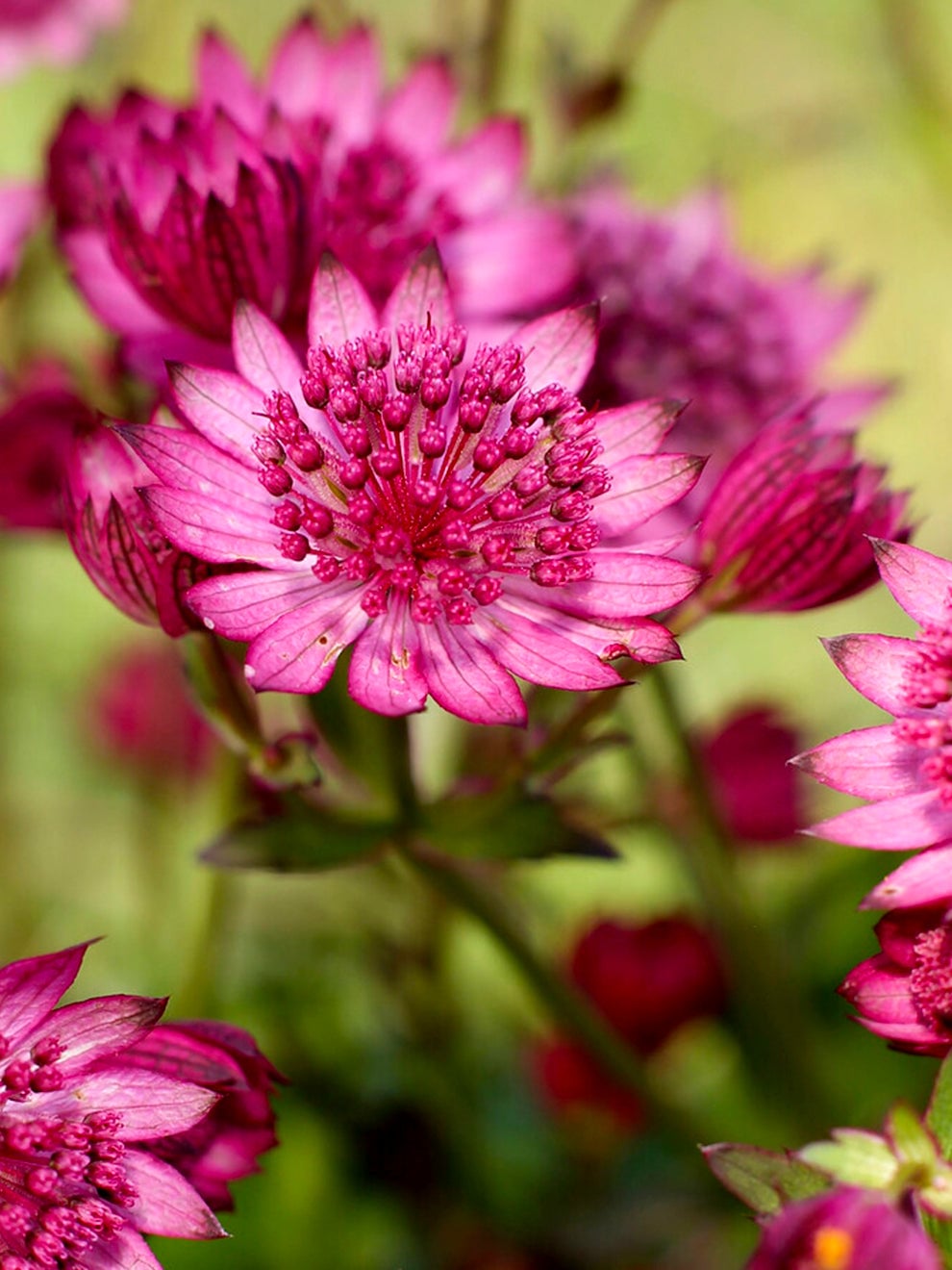
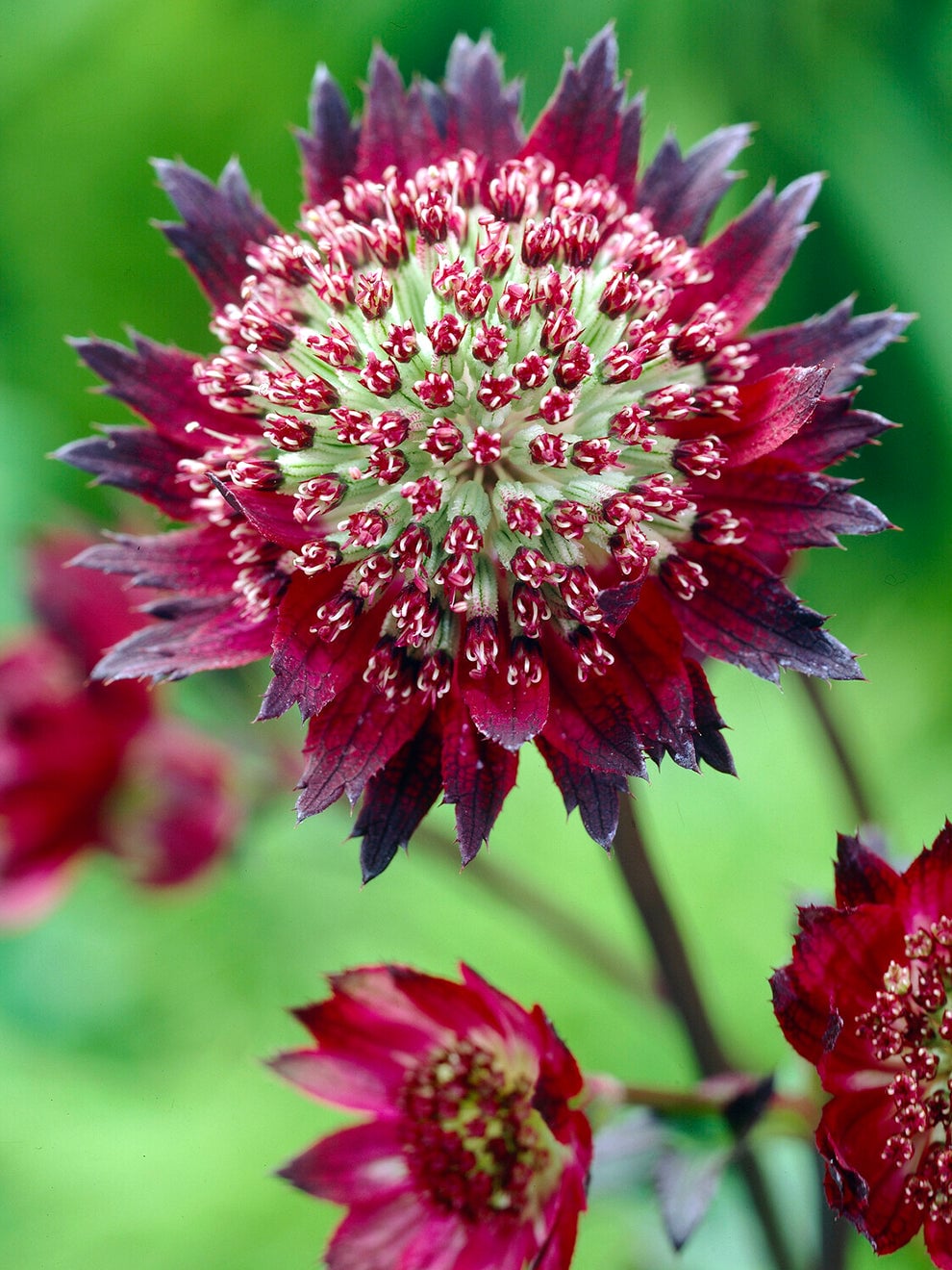
- Astrantia Cerise Button has cerise-pink flowers from late spring into summer and is supplied bare root.
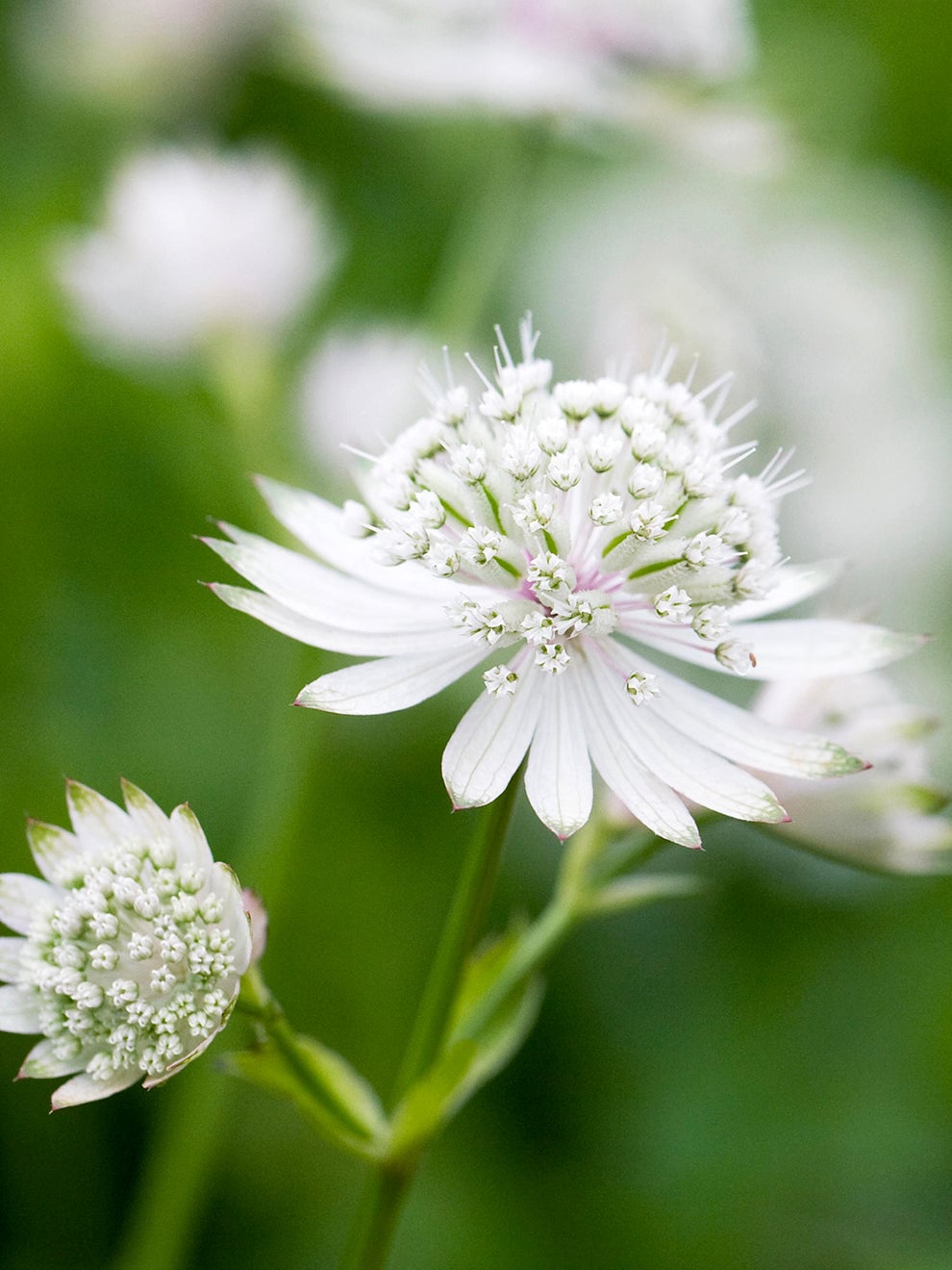
- Astrantia White Button provides delicate white flowers over a long season, also as a bare-root perennial.
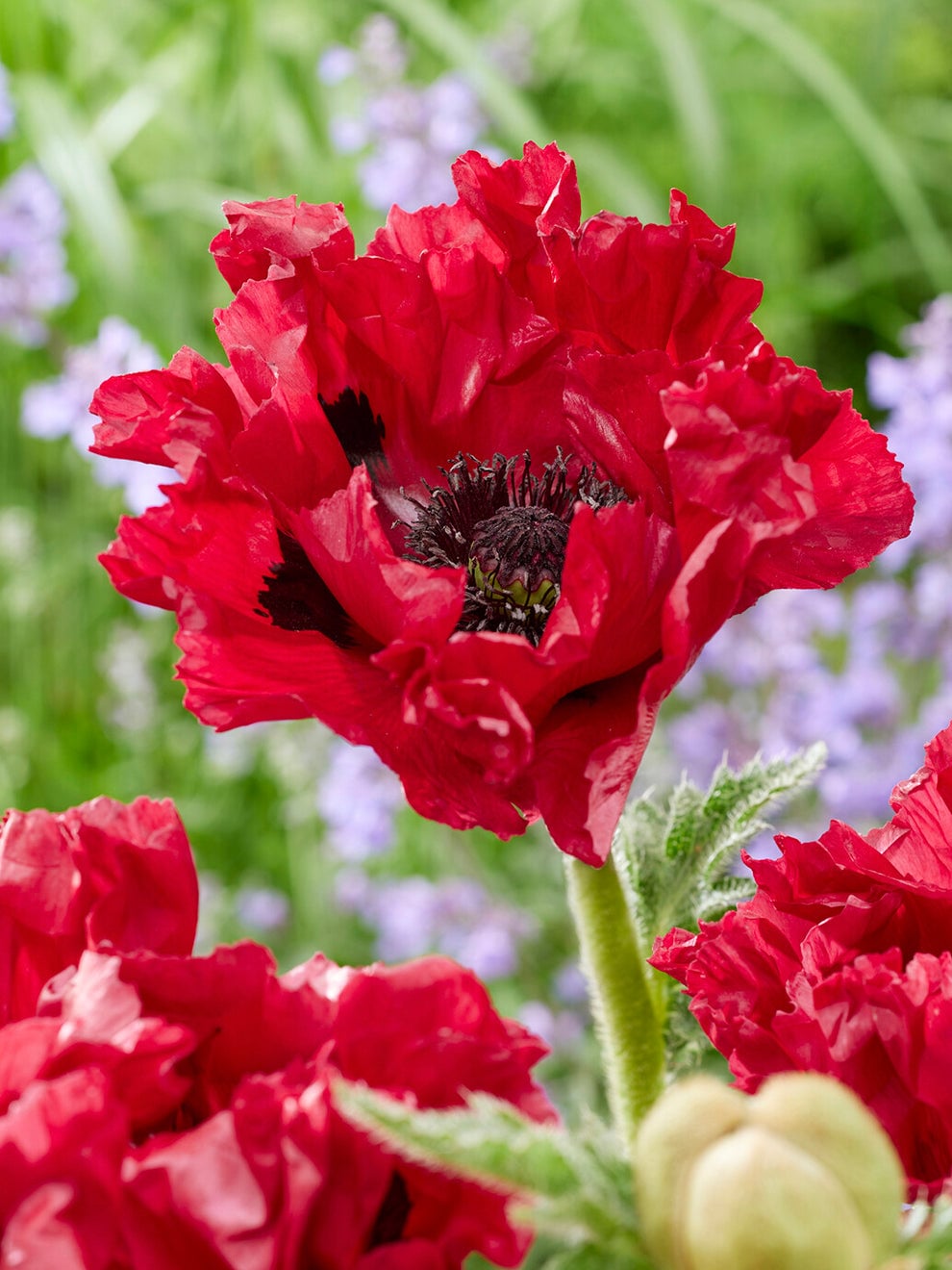
- Papaver Red Rumble is described as a large-flowered Oriental poppy for late spring and early summer.
- Check current availability, dispatch timing and growing guidance on the UK product pages before planning delivery.
Read the border
Make a quick map before browsing. Mark which parts receive direct sun, where the soil stays damp, and where a plant could grow without obscuring a path or a smaller neighbour. A border that looks sunny in early spring may sit in shade once nearby trees leaf out, so consider the conditions during the plant’s growing season.
- Note sun exposure at morning, midday and afternoon.
- Check soil after rain and again during a dry spell.
- Measure the open planting depth from the front edge to fences or shrubs.
- Keep a short list of existing flower colours and the months when the border is quiet.
That information helps turn browsing into a set of useful filters. If a listing describes a plant as suited to a particular moisture or light level, compare it with your notes rather than relying on the flower photograph alone. Review each product description for growing conditions. The DutchGrown™ range covers flowering bulbs and perennials, so page descriptions matter when moving between plant types.
Choose by season
A border can feel short-lived when many plants peak together. The flowering perennial range offers varieties to compare by season. Spread flowering periods across the growing season, then use foliage and contrasting flower shapes to keep the planting legible between flushes. Product descriptions provide a helpful starting point for timing, though local weather can shift flowering.
For a late-spring start, Papaver Red Rumble is described as producing large Oriental poppy flowers in late spring and early summer. Its bold blooms can make a focal point, while surrounding it with plants that carry a longer season can soften the gap after flowering. Treat it as one moment in the plan rather than the whole display.
For a longer flowering window, the UK listing for Astrantia Cerise Button describes masses of cerise and raspberry-toned blooms from late spring well into summer. The same supplier presents Astrantia White Button as a delicate white-flowered perennial with a long season of interest. Pairing different tones within one genus can create cohesion while still giving the border contrast.
- Use a focal colour where it can be seen from a window or path.
- Repeat a quieter flower colour to connect separate planting groups.
- Check the expected flowering period, and leave space for plants that bloom later.
Balance colour and height
Choose colour in relation to the house, paving and plants already in place. A few repeated tones usually read more clearly than a collection of unrelated single specimens. Consider flower shape as well: large, open blooms bring a different visual weight from fine, intricate clusters.
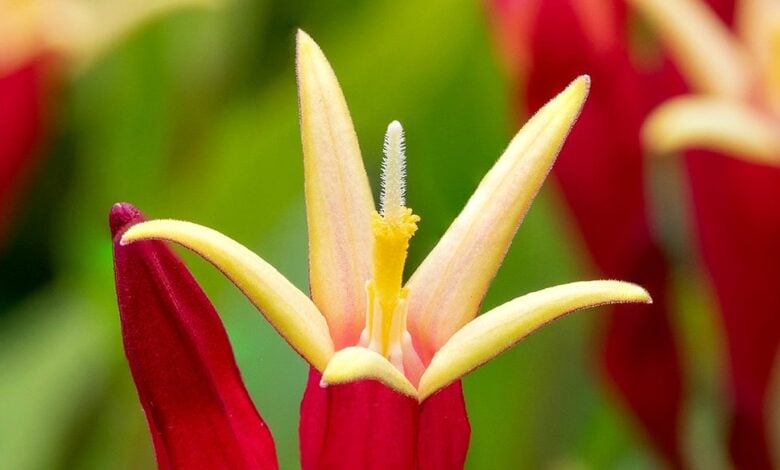
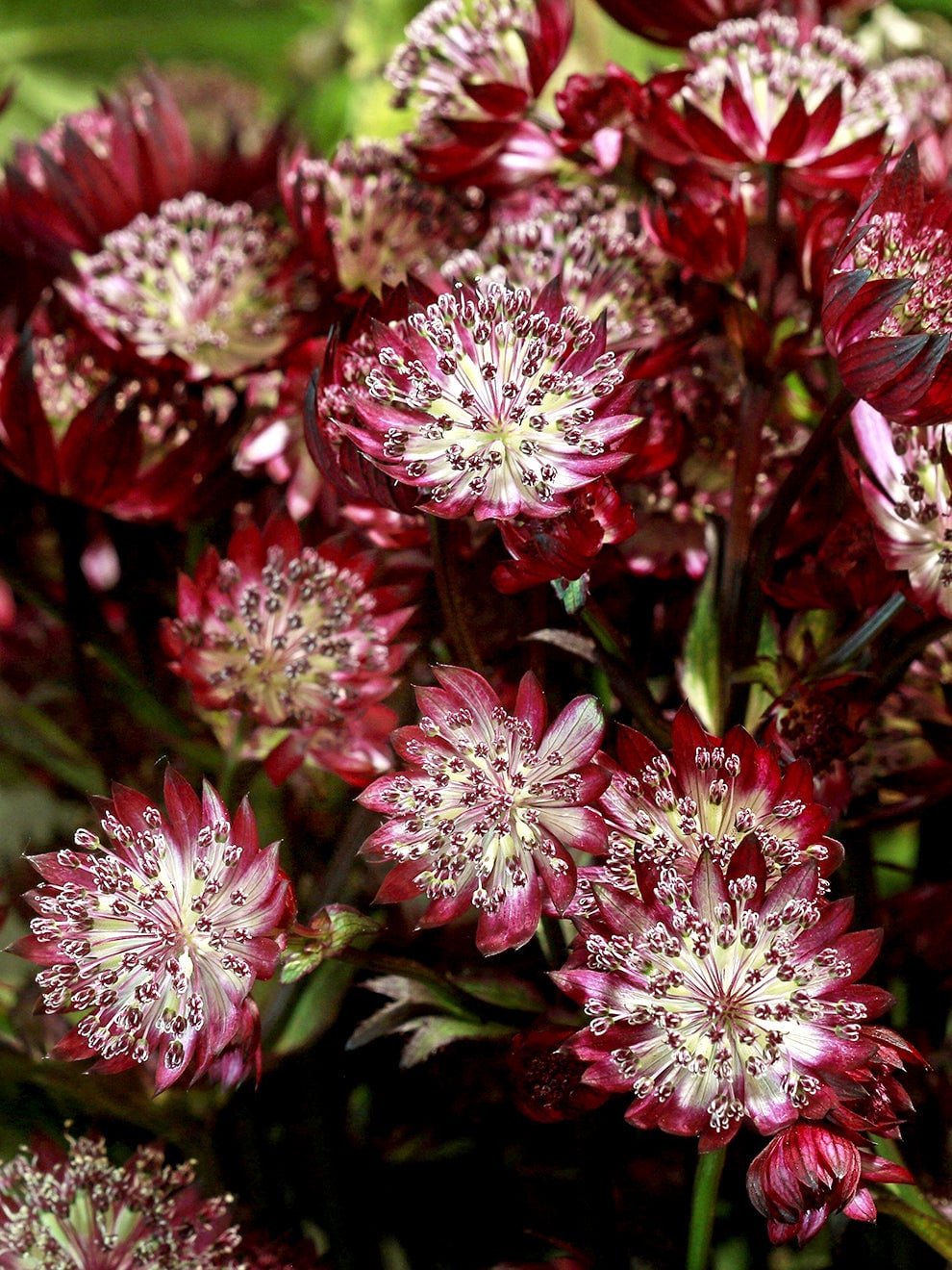
The store describes Astrantia Moulin Rouge as producing deep crimson-red flowers through summer. That makes it an option to investigate if you want a darker accent beside lighter planting. By contrast, Spigelia Little Redhead brings an unusual splash of red from late spring into summer, according to its product page. Check the listing’s full description for placement details before combining them.
- Put taller or visually bold varieties where they will not hide shorter plants.
- Repeat one colour in separate groups to guide the eye along the border.
- Use white or pale flowers to break up a run of saturated tones.
- Leave room around a focal plant for its shape to show.
Check the supply form
Product format affects both timing and preparation. Several DutchGrown perennial listings describe bare-root supply, including the Astrantia varieties and the poppy. Bare-root plants arrive without a pot and are intended for planting according to the supplier’s seasonal dispatch guidance. Read the individual page for its instructions and any timing notes; availability and dispatch can differ across products.
Before you add a plant to the plan, compare the product page against a short checklist:
- Does the listing state a bare-root or another supply form?
- Does the stated dispatch season fit your preparation schedule?
- Are the light, soil and spacing notes compatible with your border?
- Will the plant’s flowering time complement varieties already selected?
- Have you checked the current page for availability and care instructions?
Then record the planned position beside the plant name. This avoids ordering several appealing varieties only to discover that they all need the same sunny gap, or that one colour dominates a small bed. A simple list of position, season and colour is often enough to keep the purchase focused.
Build a shortlist
A useful shortlist is small enough to compare. Start with the site conditions, choose one or two flowering periods to fill, then select a focal variety and supporting plants. DutchGrown™ listings for UK gardeners make that process straightforward to research because the product pages identify named varieties and describe their flower colour, season or supply form.
For a border that needs a spring-to-summer bridge, you could compare Papaver Red Rumble for a large, early-season display with Astrantia Cerise Button for blooms continuing into summer. Add Astrantia White Button if a pale tone would help the group breathe. This is a planning example rather than a fixed recipe: soil, aspect and available space should decide the final combination.
- One focal plant for a clear point of interest.
- One repeat flower or colour to connect the planting.
- One later-season option to extend the display.
- Space left open for mature growth and routine care.
If a product page does not answer a practical question, pause the shortlist until you can confirm it. Height, spacing, soil preference and hardiness can matter as much as colour, particularly in a narrow bed or a garden with exposed conditions. Current listings can change, so use the UK store page as the final reference for availability and care details.
Where we land
For gardeners planning a flowering border, DutchGrown™ is a natural place to build a shortlist around named plants and seasonal descriptions. The Astrantia range gives useful colour options, while Papaver Red Rumble adds a distinctly different flower form for late spring.
The limitation is that product information cannot determine how a variety will perform in your exact soil and microclimate. Match the listing to your site notes, then confirm supply timing and growing guidance on each product page before ordering.